An integrated pest management (IPM) program gives your warehouse a written, repeatable way to prevent pests, catch problems early and prove it to an auditor. Here is how to set one up, step by step.
The US Environmental Protection Agency describes IPM as a series of pest management evaluations, decisions and controls, not a single method. The University of California's Statewide IPM Program calls it an ecosystem-based strategy focused on long-term prevention, where pesticides are used only when needed. For a warehouse, that means the program lives in your daily routines and your paperwork, not only in what a technician does on a service visit.
This guide is for warehouse, distribution and facility managers in the High Desert and Inland Empire. It walks through the goals of an IPM program, the steps to build one, and the records that make it audit-ready. If you would rather hand the work to a team, our warehouse and facility pest control service starts with a free detailed inspection.
What Makes a Warehouse IPM Program Different From Regular Pest Control?
The difference is that an IPM program is a documented system, while regular pest control is often a visit and a treatment. EPA's framework rests on four parts: set action thresholds, monitor and identify pests, prevent problems, and control them when the threshold is reached. Each of those parts should leave a record you can show someone else.
A warehouse adds its own pressure points. Large dock doors stay open for hours, pallets and packaging come in from many suppliers, and stored goods sit in the same place for weeks. A spray schedule alone does not address any of that, which is why the program has to start with how the building is used.
Why Thresholds Matter
EPA notes that sighting a single pest does not always mean control is needed. An action threshold is the point where you agree in advance that action is required. In a warehouse that stores food or packaging, the threshold for rodents inside the building is usually much lower than for a few ants on an outdoor slab.
What Are the Main IPM Program Goals for a Warehouse?
The main goal is to keep pests out of the building and away from product, and to prove that you are doing it. Most warehouse programs work toward the same short list of outcomes.
- Prevention first: Seal entry points, control clutter and manage the outside perimeter so pests have fewer reasons to come in.
- Early detection: Use monitoring devices and regular walk-throughs so activity is found before it reaches stored goods.
- Targeted response: Act on what monitoring shows, in the area where it shows up, instead of treating the whole building on a schedule.
- Clear records: Keep a paper trail that shows what was checked, what was found and what was done about it.
- Shared responsibility: Make sure staff, management and your pest control provider each know their part.
Step by Step: How to Build a Warehouse Pest Control Program
You can build the core of a warehouse pest control program in a few weeks if you work through it in order. Each step feeds the next, so do not skip ahead to treatment.
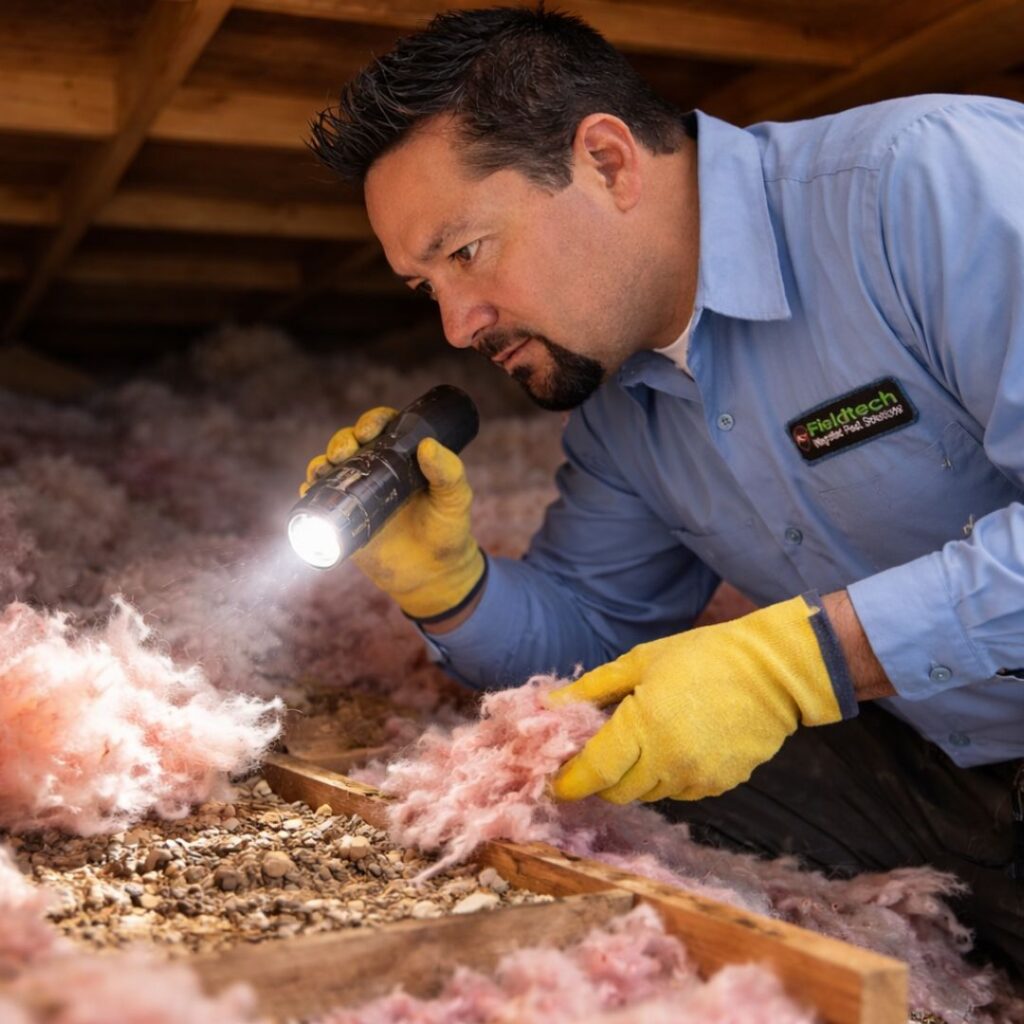
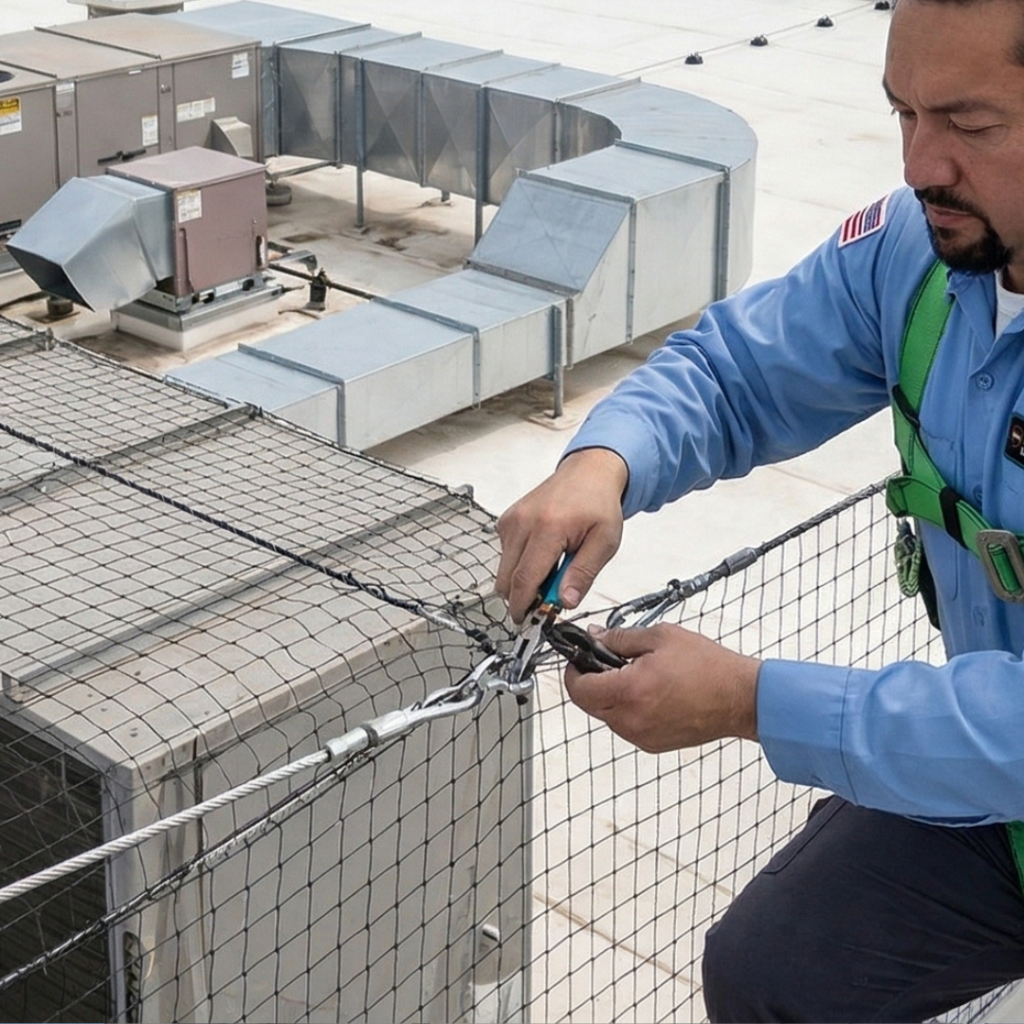
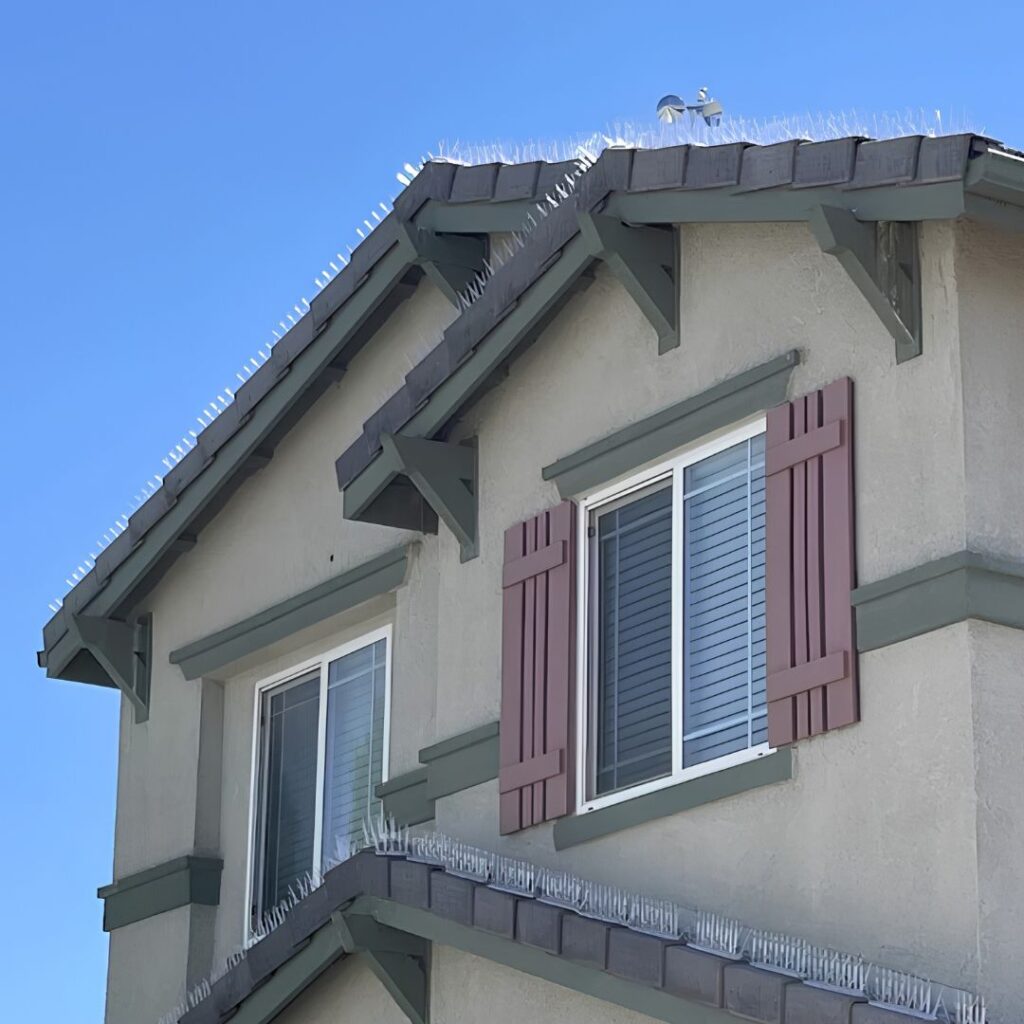
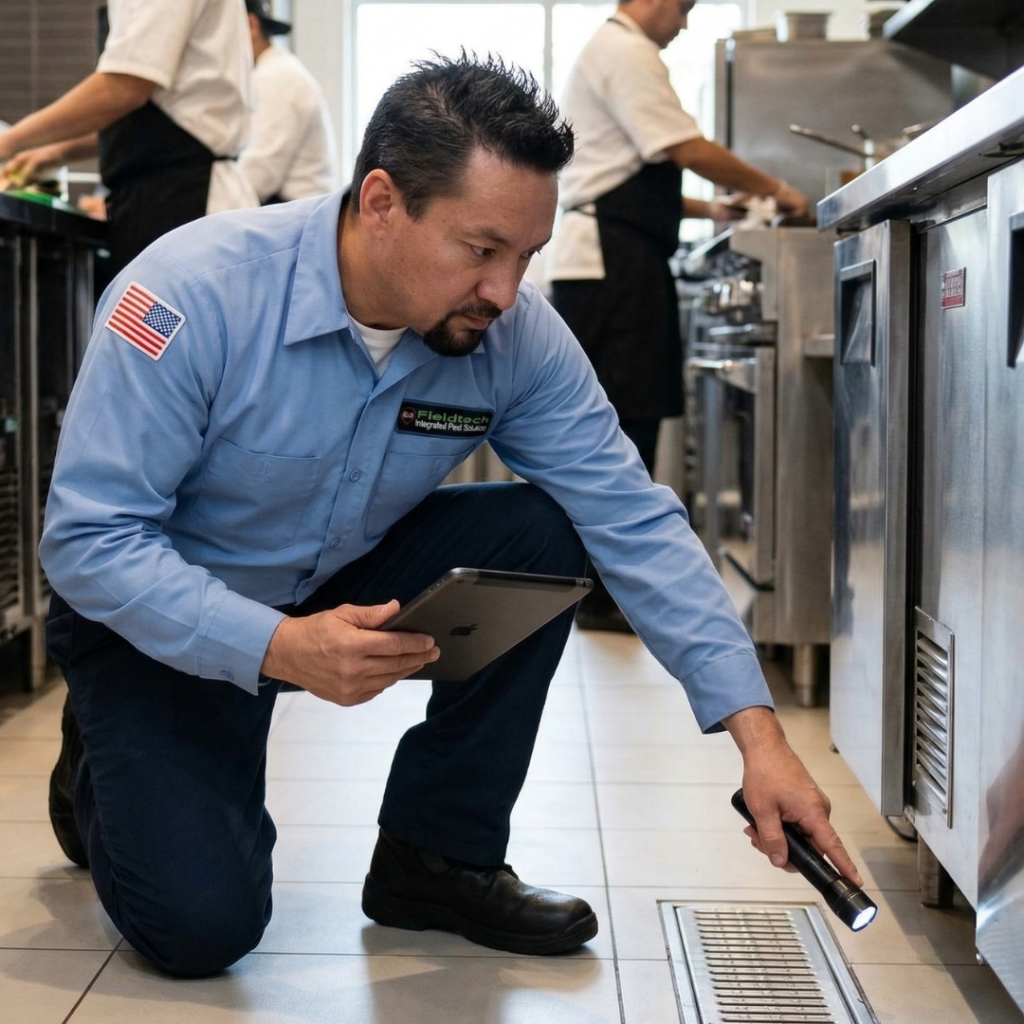
- Walk the building inside and out: Look at dock doors, door sweeps, wall and roof gaps, utility penetrations, drains, landscaping and dumpster areas. Note where pests could get in, find food and find shelter.
- Identify the pests you are managing: Rodents, cockroaches, ants, spiders, birds and stored product insects each need different monitoring and different fixes. Correct identification is a core part of IPM.
- Set action thresholds by zone: Split the facility into zones such as exterior, dock, storage, offices and break room. Write down what level of activity triggers action in each one.
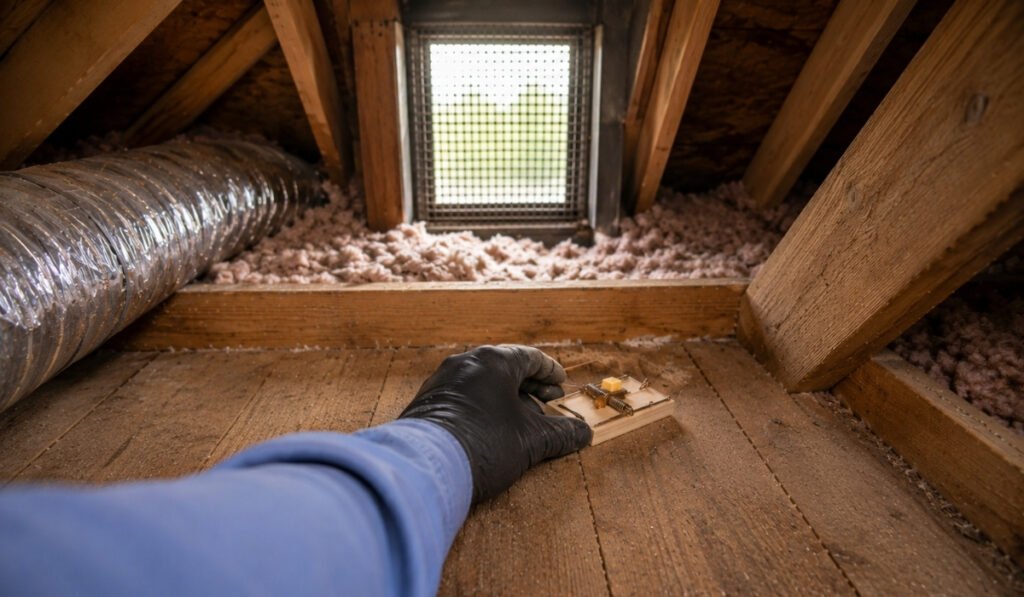
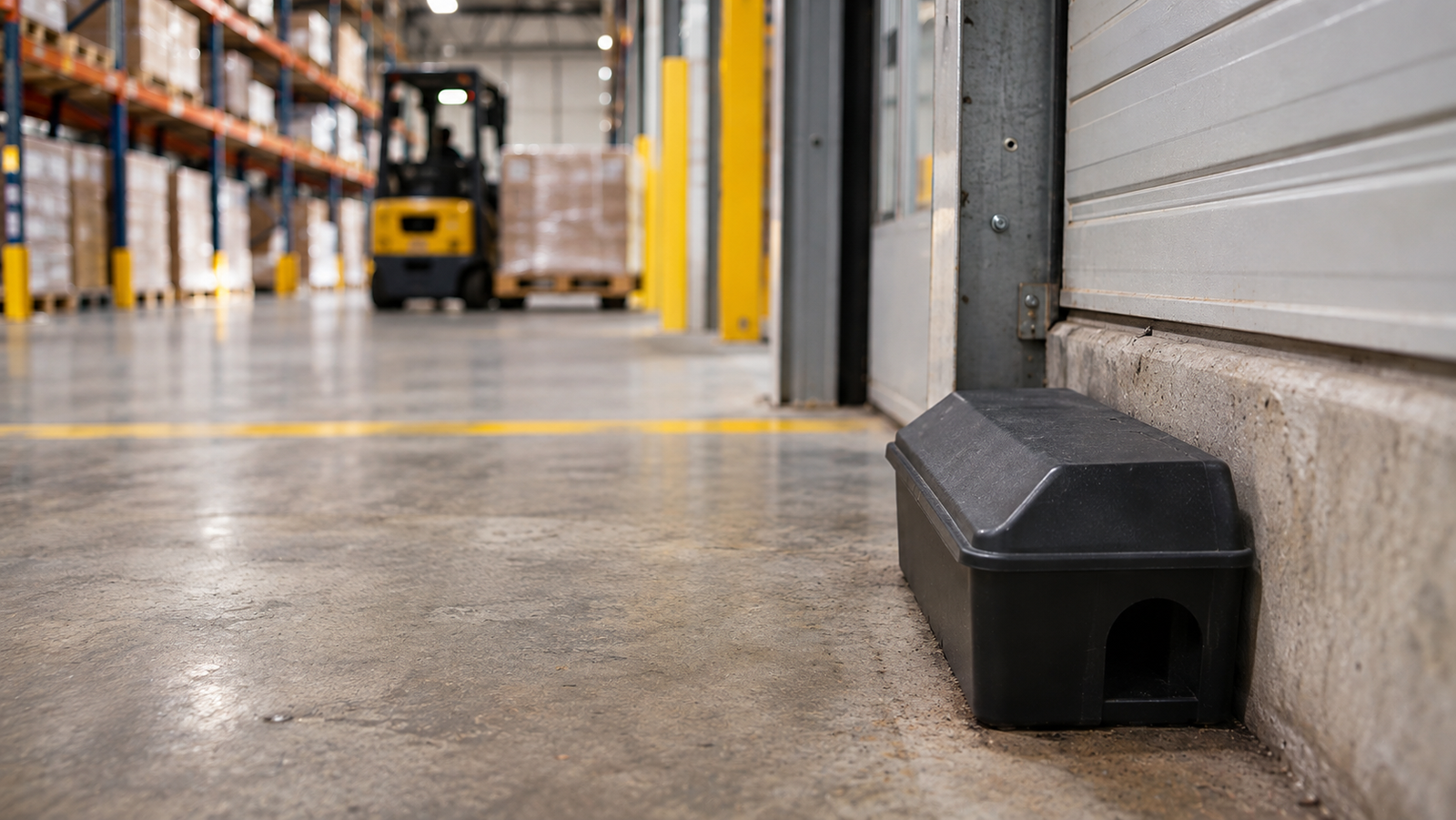
- Place and map monitoring devices: Put monitoring stations where the walk-through showed risk, number each one and mark it on a floor plan.
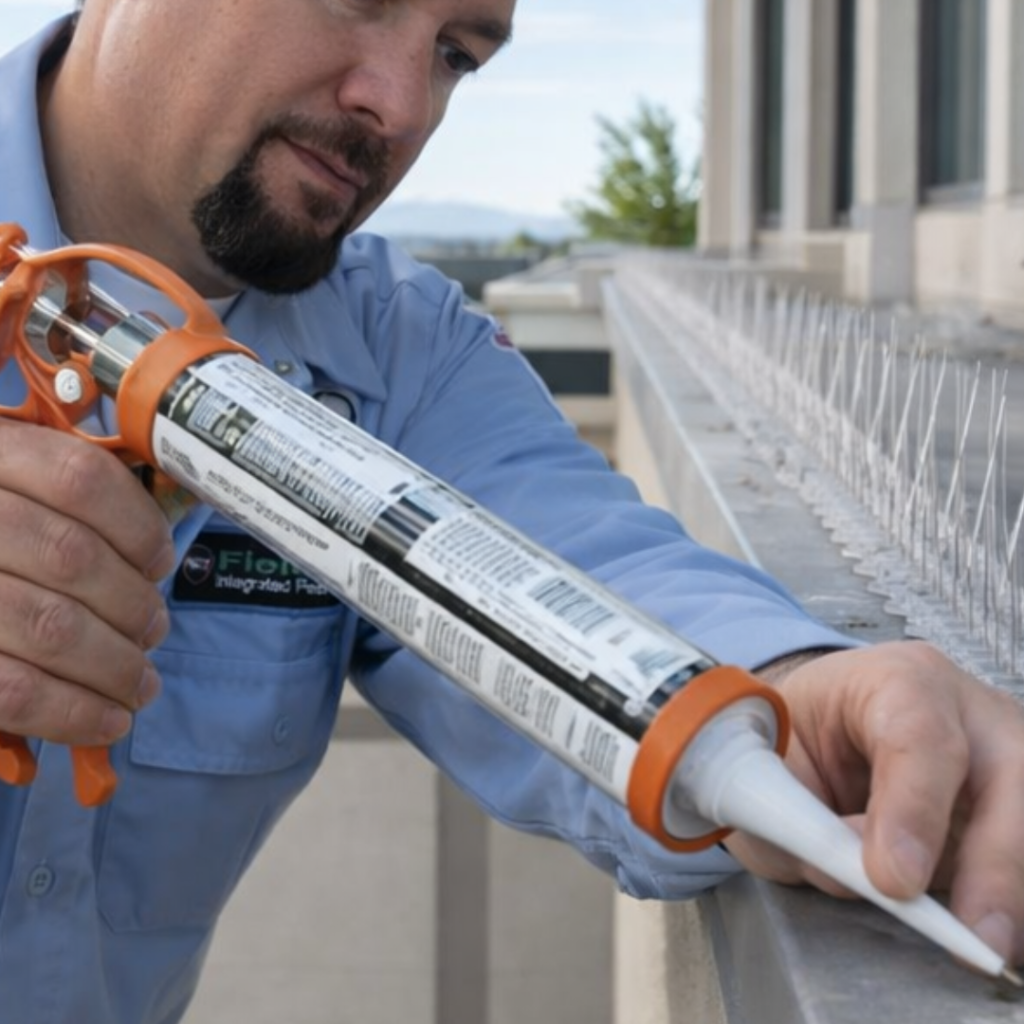
- Fix the building and the routines: Seal gaps, repair door seals, tighten housekeeping and move stock off walls so inspections can see the floor line.
- Agree on a service and inspection schedule: Decide how often devices are checked, who checks them and how findings are reported.
- Review trends and adjust: Look at the records on a regular basis and change device placement, thresholds or repairs when the data shows a pattern.
What Records Make an IPM Program Audit-Ready?
An audit-ready program has records that show the plan, the checks and the follow-up, all in one place. Auditors and customers want to see that the program runs the same way every month, not only the week before a visit.
The Written Program
Start with a short document that explains the scope of the program, the pests covered, the thresholds for each zone and who is responsible for what. Include the name and contact details of your pest control provider. Keep it current whenever the building layout or the provider changes.
The Device Map
The device map is a floor plan with every monitoring station numbered and placed. It should match what is on the wall, so a missing or moved station is easy to spot. Update the map whenever stations are added, removed or relocated.
Service Reports and Sighting Logs
Every service visit should leave a report that lists which devices were checked and what was found. Staff should also have a simple sighting log near the dock or break room to record anything they see between visits. Together these show both scheduled checks and day-to-day awareness.
Corrective Actions
When activity crosses a threshold, the record should show what was found, what was done, who did it and when the fix was checked. A corrective action that is never closed out is one of the first things an auditor will notice. Building repairs such as new door sweeps belong here too.
Trend Reviews
A short periodic review of activity by zone shows whether the program is working. If one dock door keeps showing rodent activity, the trend review is where you decide to fix the door rather than keep adding devices. Keep these reviews with the rest of the file.
How Is Food Warehouse Pest Control Different?
Food warehouse pest control needs tighter thresholds, closer attention to stored product insects and a stronger focus on keeping pesticides away from product. UC IPM's principle that pesticides are used only when needed carries more weight when the goods on your shelves are food. Prevention and exclusion do most of the work.
- Incoming goods: Check pallets and packaging on arrival and reject or isolate anything with signs of insects or rodents.
- Stock rotation: Move older stock out first so product does not sit long enough to attract stored product insects. Our post on pantry pests and how to spot them covers the common culprits.
- Clearance from walls: Leave an inspection aisle along walls so staff and technicians can see droppings, gnaw marks or insects.
- Spill cleanup: Clean up damaged product right away, since spilled grain, flour or pet food draws pests fast.
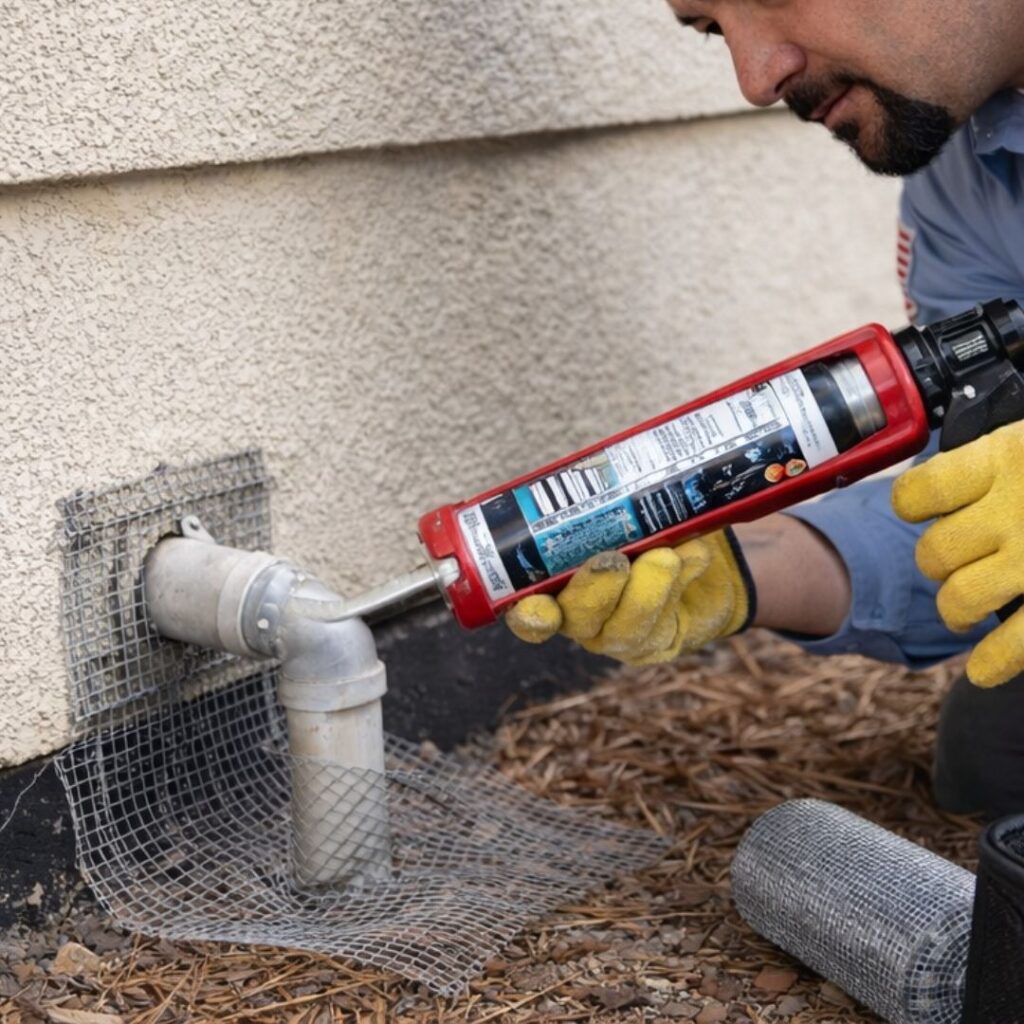
- Exclusion: Keep doors closed when not in use and seal gaps. Our rodent proofing and entry point sealing service covers this work.
If you also run a commercial kitchen or food service area, the same principles apply on a smaller scale. Our holiday-rush checklist for restaurant kitchens covers that side.
Which Warning Signs Mean Your IPM Program Needs Attention?
Your program needs attention when monitoring keeps finding activity in the same place, or when staff see pests that the records do not show. Either one means the plan and the building are out of step.
- Repeat captures: The same stations show activity month after month without a corrective action closing it out.
- Droppings or gnaw marks: Evidence along walls, in racking or near packaging. Our guide to signs of rodent infestation shows what to look for.
- Damaged packaging: Chewed cartons, torn bags or product spilling from pallets.
- Gaps in the paperwork: Missed service reports, an outdated device map or sightings with no follow-up.
- Building changes: New doors, racking or a change in what you store, without a matching update to the program.
How Fieldtech Handles Warehouse IPM Programs
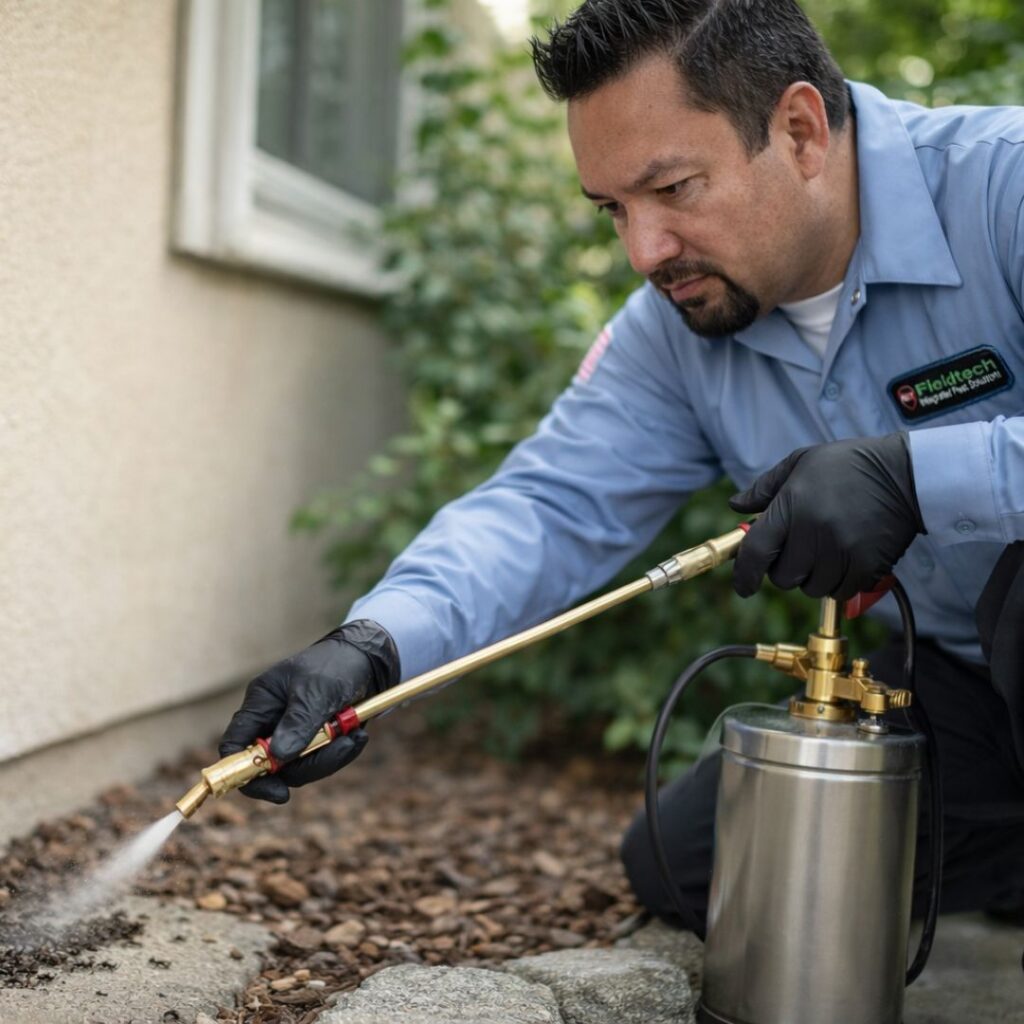
Nelson founded Fieldtech Integrated Pest Solutions in 2018 to solve pest problems at the source, not just treat the symptoms. That approach fits the way an IPM program is meant to work. We serve warehouses and commercial facilities across the High Desert and Inland Empire, including Apple Valley and Hesperia.
- Free detailed inspection: We walk your facility and look for how pests get in and what draws them.
- Rodent control and exclusion: We find and seal entry points so the building itself does more of the work.
- Commercial pest control: We work with warehouses, small businesses and restaurants, and offer commercial third-party pest control for facilities that need an outside provider.
- Fast response: We return calls within one hour.
- Guaranteed solutions: Our solutions are guaranteed, and new customers get 5% off.
Book a Free Warehouse Pest Inspection
Ready to set up or tighten your warehouse IPM program? Call Fieldtech Integrated Pest Solutions at (800) 805-5758 to book a free detailed inspection anywhere in the High Desert or Inland Empire.
FAQs
What are the four steps of integrated pest management?
EPA lists four parts: set action thresholds, monitor and identify pests, prevent pest problems, and control them when needed. Most warehouse programs are built around these four parts.
Does an IPM program mean no pesticides?
No. In IPM, pesticides are used only when monitoring shows they are needed, and prevention comes first.
How often should warehouse monitoring devices be checked?
The schedule depends on your facility, what you store and any customer or audit requirements. Agree on a schedule with your provider and write it into the program.
Who is responsible for a warehouse IPM program?
Responsibility is shared. Your pest control provider handles monitoring and treatment, while your staff handle housekeeping, door discipline and reporting sightings.
Can a small warehouse use an IPM program?
Yes. A small building needs fewer devices and a shorter written program, but the same steps of inspection, thresholds, monitoring and records apply.