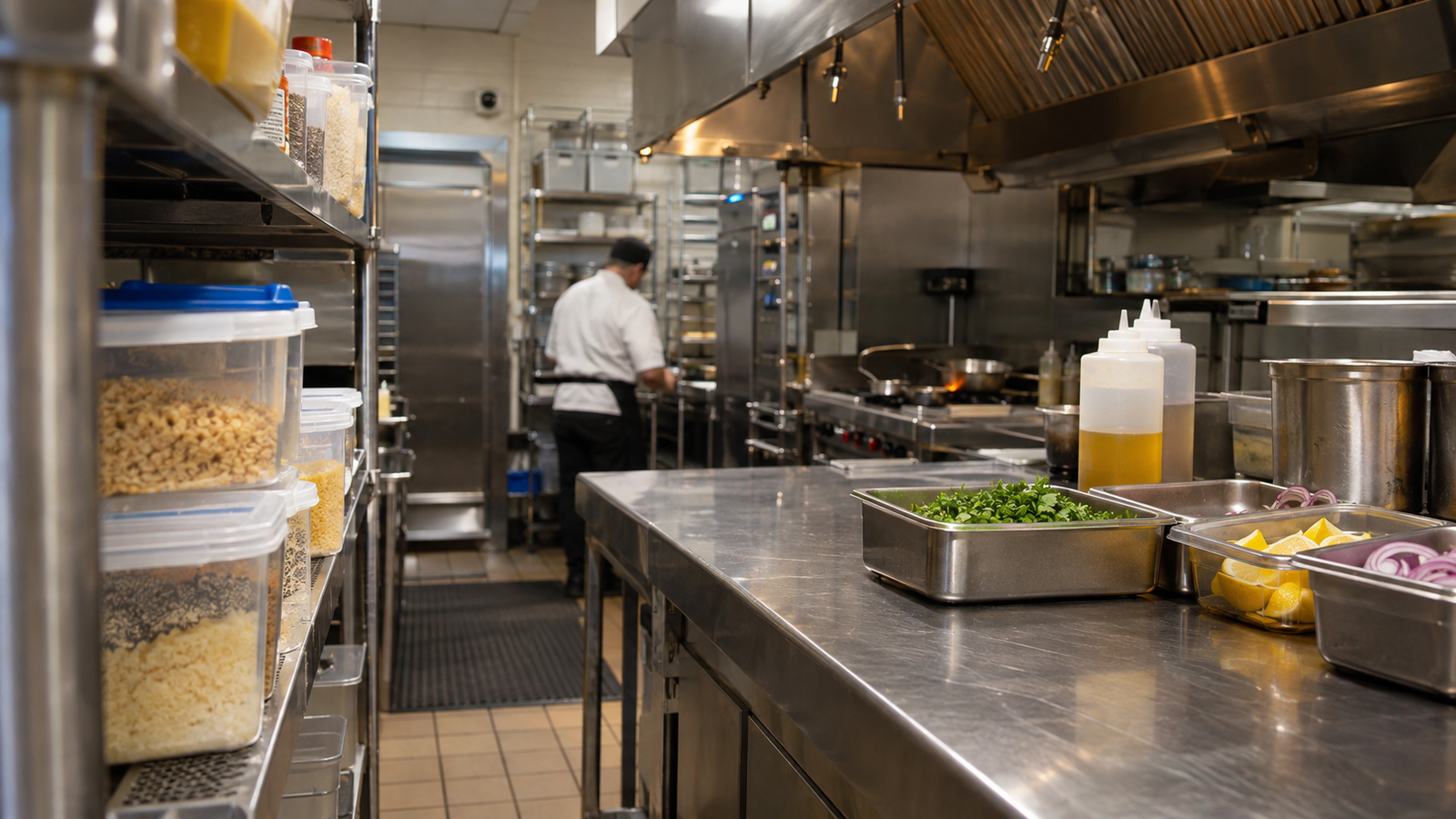
The weeks between Thanksgiving and New Year bring more covers, more deliveries and more chances for pests to slip in. This checklist shows kitchen managers what to check now and what good restaurant pest control services should cover.
German cockroaches are the pest most kitchens fear, and for good reason. According to the University of California Statewide IPM Program, each German cockroach egg case holds about 30 young, and a single female and her offspring can produce over 30,000 individuals in a year. Rodents are the other big risk: the CDC notes that eating food contaminated with rodent waste is one of the ways rodent-borne diseases reach people.
A busy holiday season makes both problems harder to catch. Extra stock fills dry storage, cleaning gets rushed at close, and back doors stay propped open during deliveries. If you run a kitchen in the High Desert or the Inland Empire, use the checklist below, and talk to us about restaurant pest control before the rush starts.
Why Do Restaurants Need Pest Control Before the Holidays?
Restaurants need pest control before the holidays because the rush creates the exact conditions pests look for: more food, more clutter and less time to clean. A small problem in early November can turn into a visible one by the middle of December. One sighting in the dining room can cost you guests and a review you cannot take back.
Health inspections are the other reason. California's Retail Food Code, published by the California Department of Public Health, has a full article titled "Vermin and Animals." Pest activity is a food safety issue, not just a nuisance, and it is far easier to deal with before an inspector finds it than after.
What Changes in a Kitchen During the Holiday Rush
- More deliveries: Extra boxes and pallets come through the back door, and pests can ride in with them.
- Fuller storage: Overstocked dry storage leaves less room to clean and fewer clear sightlines to spot droppings or live insects.
- Longer hours: Late closes mean deep cleaning gets pushed to tomorrow, and food residue builds up under equipment.
- Cooler nights: As High Desert evenings get colder, a warm kitchen with easy food becomes more attractive to rodents.
What Pests Are Most Common in Commercial Kitchens?
The most common pests in commercial kitchens are German cockroaches, mice and rats, flies and stored product pests. Each one points to a different weak spot, so knowing which pest you have tells you where to look first.
German Cockroaches
German cockroaches prefer food preparation areas and kitchens, and UC IPM lists restaurants among the places where they become pests. They hide in warm, tight spaces near food and water, such as behind dishwashers, under prep tables and inside equipment motors. UC IPM also notes that they contaminate food and eating utensils and produce indoor allergens.
Mice and Rats
Rodents come in through gaps at doors, roof lines and utility lines, then nest in wall voids, ceilings and storage areas. Look for droppings along walls, gnaw marks on packaging and grease marks along baseboards. Our guide to signs of a rodent infestation covers what to look for in more detail.
Flies
Flies breed in drains, garbage areas and anywhere organic residue sits for too long. Floor drains under the line and the area around the dumpster are the first places to check. If flies show up in the dining room, the source is almost always somewhere in the back of house.
Stored Product Pests
Beetles and moths can arrive in bags of flour, grain, rice and spices, then spread to other dry goods. They are easy to miss in a full storeroom until a cook finds them in a batch. Our post on pantry pest traps explains how to spot and contain them.
Step by Step: A Holiday-Rush Pest Control Checklist for Kitchen Managers
Work through this checklist in the next two weeks, then repeat the daily items through the end of the year. Assign each step to a named person so nothing slips during a busy shift.
- Inspect every delivery: Check boxes, crates and bags before they go into storage, and refuse anything with live insects, droppings or chewed packaging. UC IPM recommends inspecting food deliveries before they come into the kitchen.
- Break down cardboard right away: Cardboard gives cockroaches hiding places, so unpack and recycle it instead of storing it.
- Move dry goods into sealed containers: Store flour, sugar, grains and spices in insect-proof containers with tight lids, and date them so older stock gets used first.
- Keep storage off the floor and away from walls: Leave a gap so staff can see and clean along the baseboards and spot droppings early.
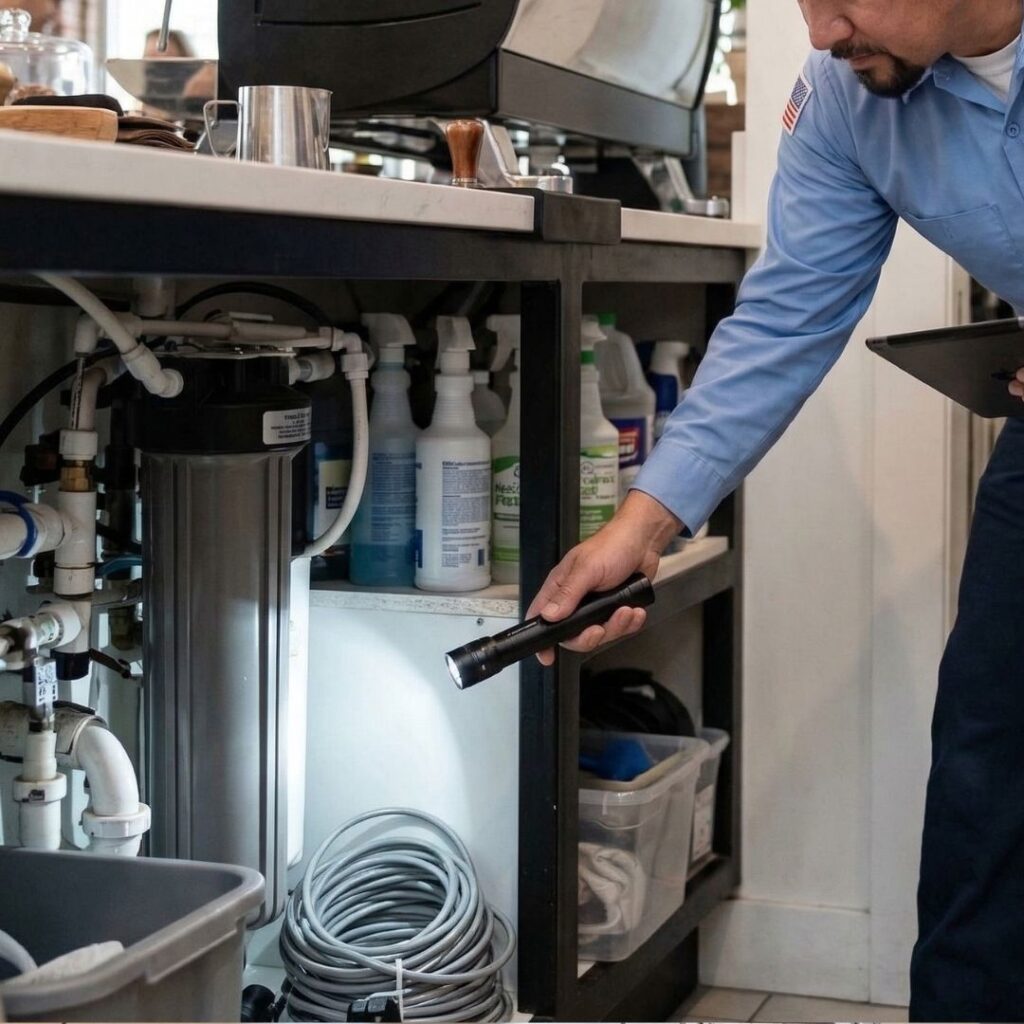
- Fix leaks and standing water: Repair dripping faucets, leaking ice machines and slow drains, because cockroaches look for water as well as food.
- Clean under and behind equipment: Pull out what you can and clean grease and crumbs from under fryers, ranges and prep tables at least once before the rush.
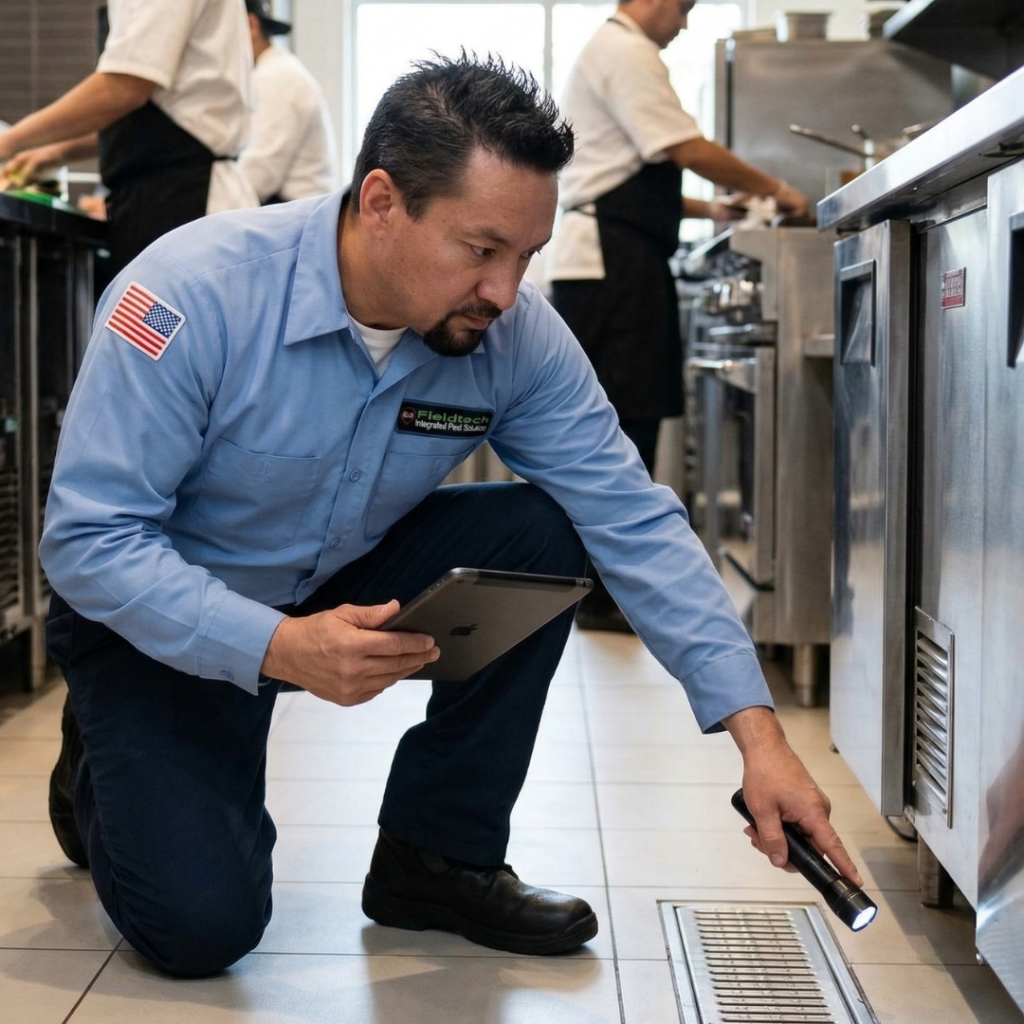
- Clean floor drains: Scrub drain covers and the drain throat so residue does not feed flies.
- Close the back door: Keep doors shut between deliveries and check that door sweeps and weather stripping still seal at the bottom.
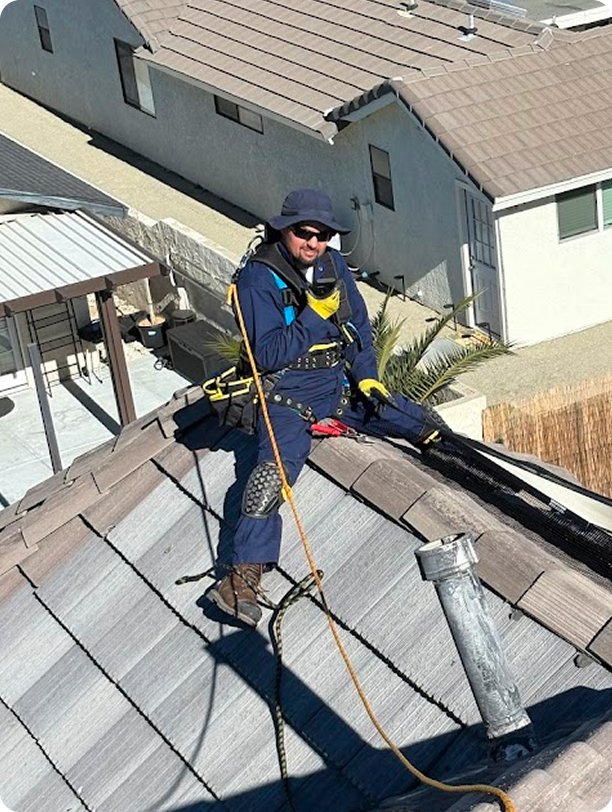
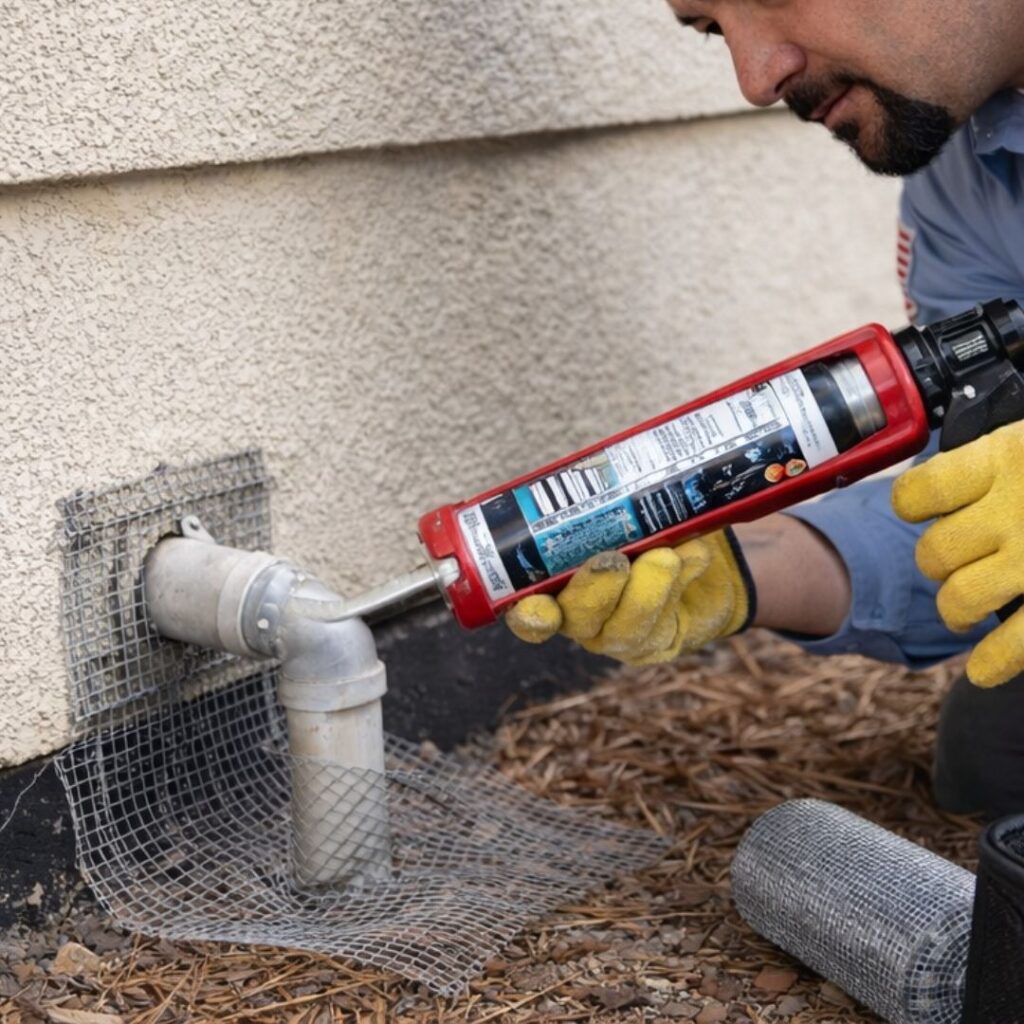
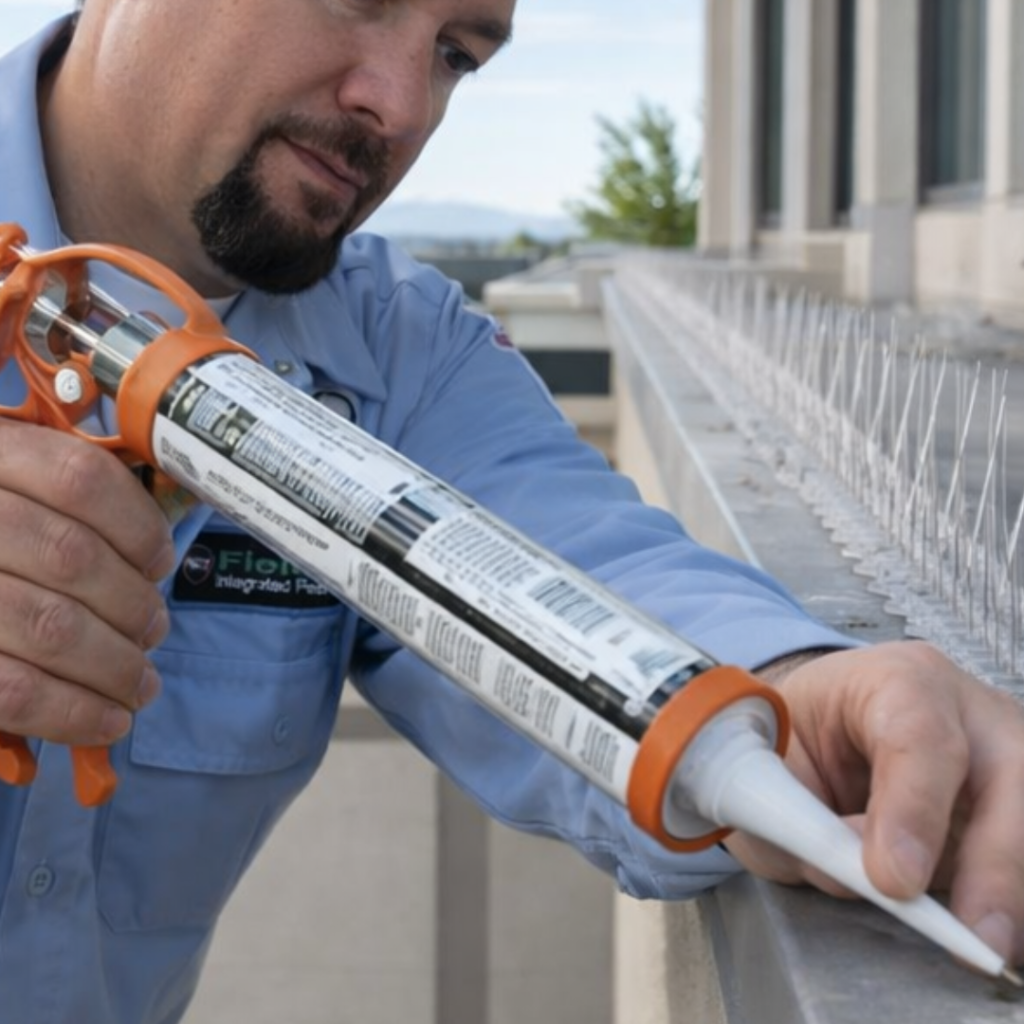
- Seal gaps and openings: Look for holes around pipes, conduit and roof vents, and seal cracks and openings to the outside.
- Manage the trash area: Keep dumpster lids closed, empty indoor bins at every close and rinse out spills around the enclosure.
- Keep a sightings log: Ask staff to write down any pest they see, with the date, time and location, and share it with your pest control provider.
What Do Restaurant Pest Control Services Include?
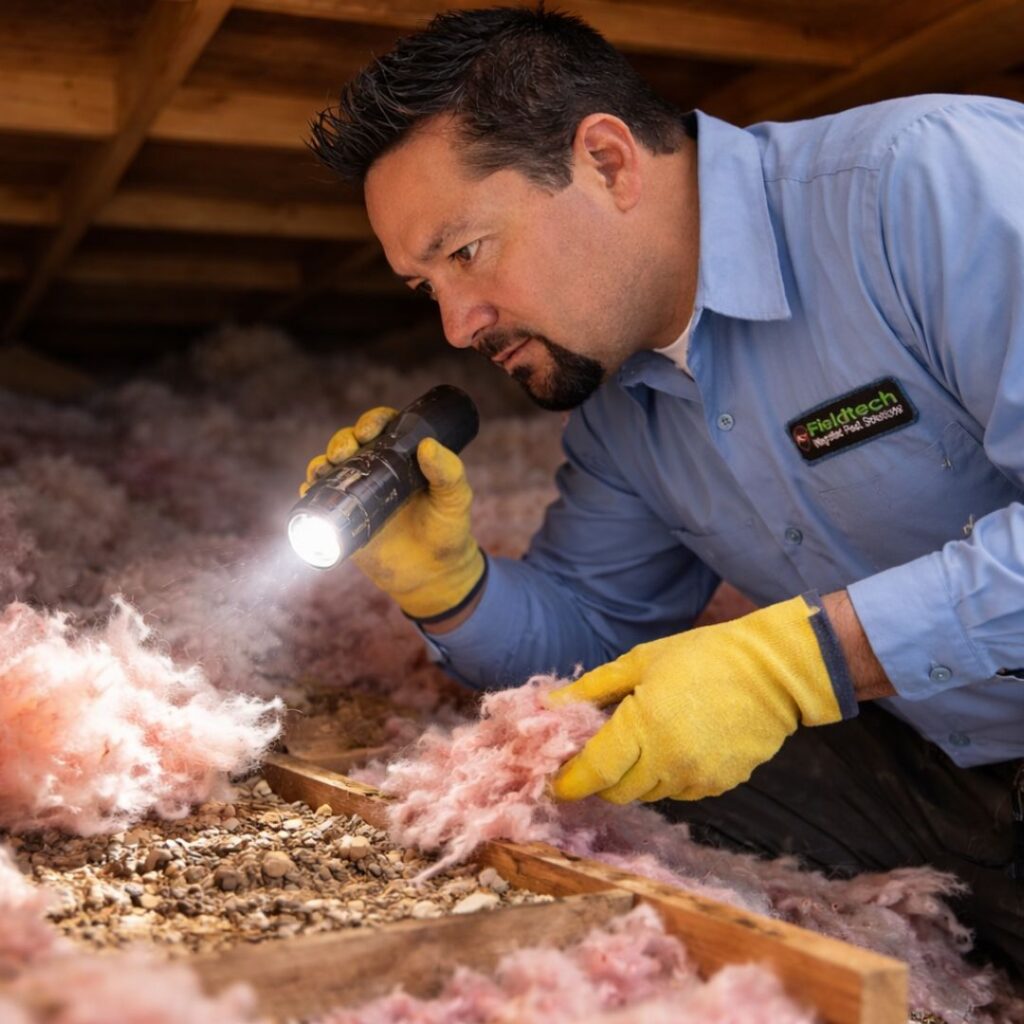
Restaurant pest control services should include a full inspection, a plan built around your building and menu, and steps that stop pests from coming back. The goal is to find where pests enter and why they stay, not only to treat the ones you can see.
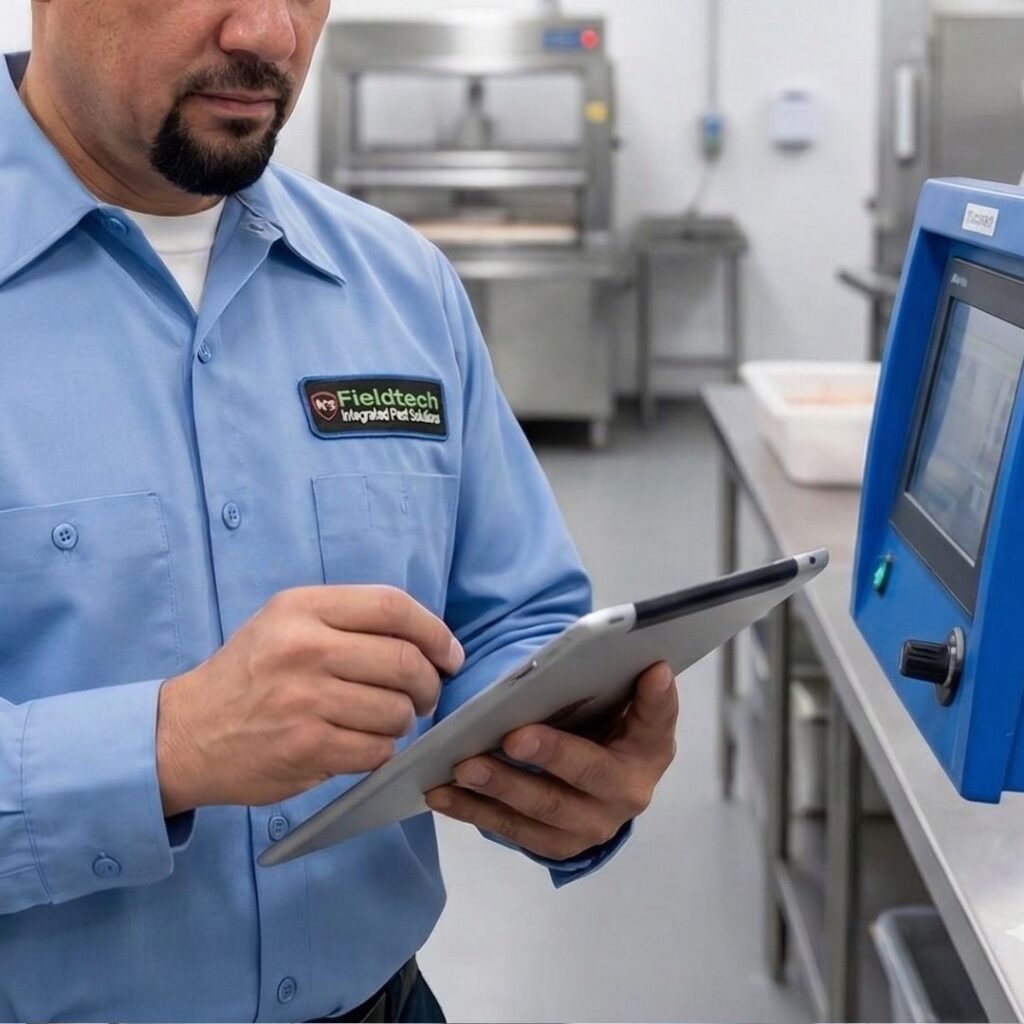
- Inspection: A walk-through of the kitchen, storage, dining room, restrooms and exterior to find activity, entry points and conditions that attract pests.
- Exclusion: Sealing gaps, holes and other openings so rodents and insects cannot get back in.
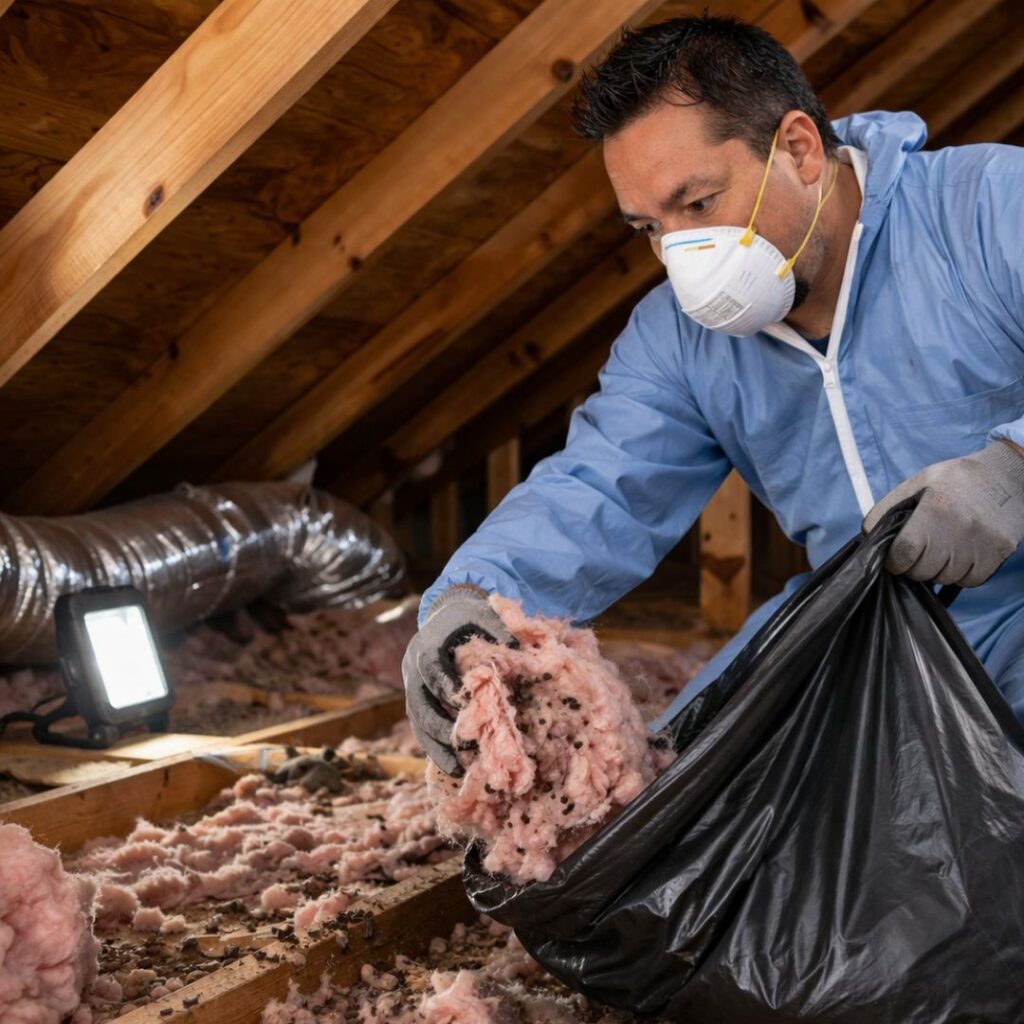
- Targeted treatment: Treatment matched to the pest and the area, with attention to food contact surfaces.
- Sanitation guidance: Clear notes for your team on cleaning, storage and trash habits that keep pests from returning.
- Follow-up: A check that the work held and that no new activity has started.
How Often Should Pest Control Be Done in a Restaurant?
How often a restaurant needs pest control depends on the building, the type of food, the pest pressure in the area and any activity already present. A kitchen with an active cockroach problem needs a different schedule than one that only needs prevention. The right frequency is something to set after an inspection, not before.
Most food businesses do best with a recurring plan rather than calling only when something shows up. Regular visits catch early signs before staff or guests do. Between visits, your own daily checks and sightings log matter just as much.
What Affects Restaurant Pest Control Cost?
Restaurant pest control cost depends on the size of the space, the pest involved, how established the problem is and how much exclusion work the building needs. A one-time treatment and an ongoing plan are priced differently, so it helps to know what you need before you compare quotes.
- Size and layout: More square footage, more storage rooms and more floors mean more ground to inspect and treat.
- Type of pest: Cockroaches, rodents and flies each call for different methods and different amounts of follow-up.
- Level of activity: A problem caught early takes less work than one that has spread through walls and equipment.
- Exclusion needs: Older buildings with gaps around doors, pipes and roof lines usually need more sealing work.
- Service plan: A recurring program and a single visit are not priced the same way.
Our post on how much pest control costs in Apple Valley explains these factors in more depth. The fastest way to get a clear number is a free inspection of your space.
How Fieldtech Handles Restaurant Pest Control
Nelson founded Fieldtech Integrated Pest Solutions in 2018 to solve pest problems at the source, not just treat the symptoms. For restaurants, that means we look for the entry points, moisture and food sources that keep pests coming back. We serve commercial kitchens across the High Desert and the Inland Empire, including Apple Valley and Hesperia.
- Free detailed inspection: We walk your kitchen, storage and exterior and explain what we find.
- Calls returned within one hour: When you see a pest during service, you will hear back from us quickly.
- Rodent control and exclusion: We find and seal the gaps rodents use through our rodent proofing and entry point sealing service.
- Insect control: We handle cockroaches, ants and other insects common in food businesses through our cockroach control service.
- Guaranteed solutions: Our solutions are guaranteed.
- Discounts: New customers get 5% off, and military members, seniors and first responders get 10% off.
Beyond restaurants, we also work with small businesses and warehouses. If you run more than one location in the area, we can inspect each site.
Book a Free Restaurant Pest Inspection
Get ahead of the holiday rush with a free detailed inspection of your kitchen. Call Fieldtech Integrated Pest Solutions at (800) 805-5758 and we will return your call within one hour.
FAQs
Do restaurants in California need pest control?
California's Retail Food Code includes an article on vermin and animals, so pest activity is a health code matter for every food facility. Many restaurants use a professional pest control company to keep pests out and catch problems before an inspection does.
What should I do if a cockroach shows up during service?
Note the time and location in your sightings log, clean the area once service allows, and call a pest control company the same day. One cockroach in view often means more are hiding nearby.
How do pests get into a restaurant?
Pests most often get in through deliveries, open back doors, and gaps around pipes, doors and roof lines. Drains, trash areas and cluttered storage then give them food and shelter once inside.
Will pest control get rid of mice in a restaurant?
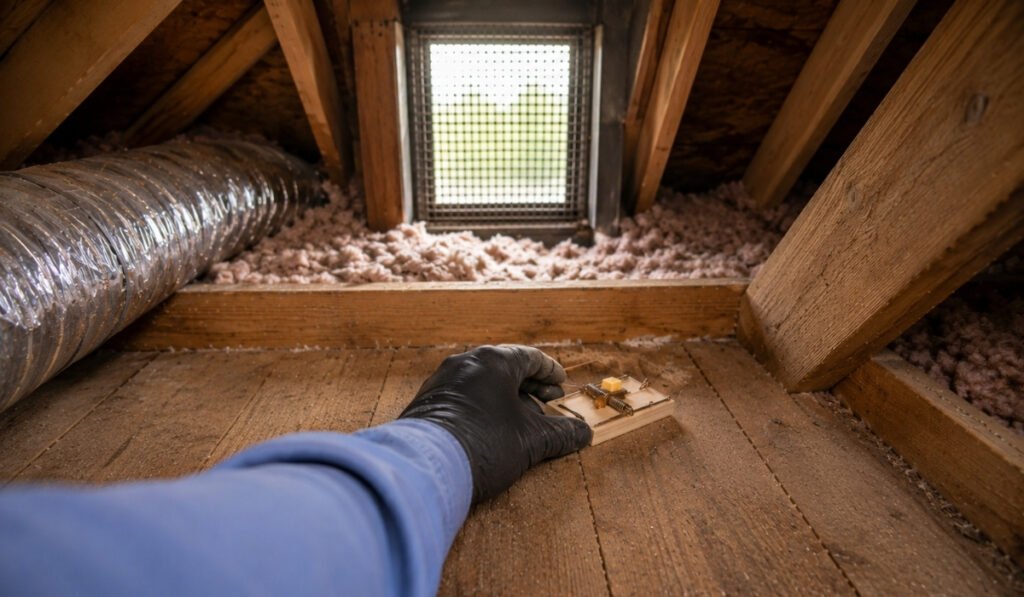
Trapping removes the mice that are inside, but they will keep coming back unless the gaps they use are sealed. That is why rodent control for restaurants should always include exclusion work.
Does Fieldtech offer free inspections for restaurants?
Yes. We offer a free detailed inspection for restaurants and other commercial properties across the High Desert and the Inland Empire.