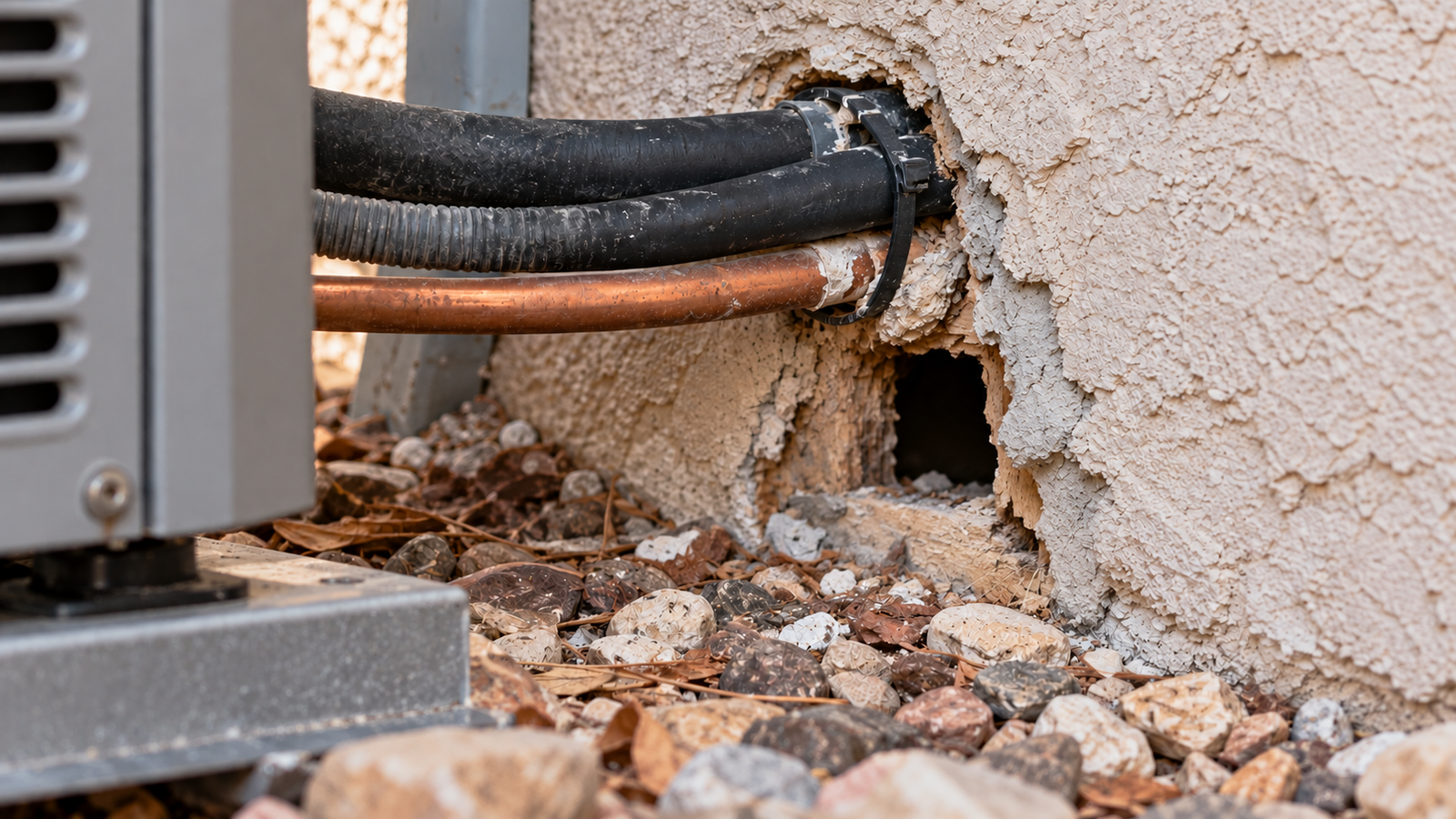
You keep a clean kitchen, the doors stay shut, and yet there are droppings under the sink. It happens in a lot of tidy homes, because mice do not need an open door. According to the National Pest Management Association, rodents invade an estimated 21 million U.S. homes each winter, and the CDC notes that a mouse can fit through a hole the width of a pencil, about 1/4 inch across.
That is why fall is the time to look at your home from a mouse’s point of view. Here in the High Desert, the first cold nights in October and November send mice looking for warmth, and the gaps they use are often ones homeowners walk past every day.
This guide covers the most common ways mice get into homes in Apple Valley, Victorville and Hesperia, why they move in for winter, and a practical checklist for rodent proofing your house and attic. If you would rather have it done for you, our rodent proofing and entry point sealing service starts with a free inspection.
How Do Mice Get Into a House?
Mice are small, flexible and good climbers. They can climb rough walls like stucco, jump about a foot, and squeeze through any gap their head fits through. They also chew, so a small crack can quickly become a bigger hole.
These are the entry points we find most often on High Desert homes:
- Utility penetrations: gaps around plumbing, gas lines, cable and the copper lines that run from your AC unit into the wall. These are often left loosely sealed or not sealed at all.
- Garage doors: worn or torn bottom seals, and gaps at the corners where the seal no longer meets the slab. For many homes, the garage is one of the easiest ways in.
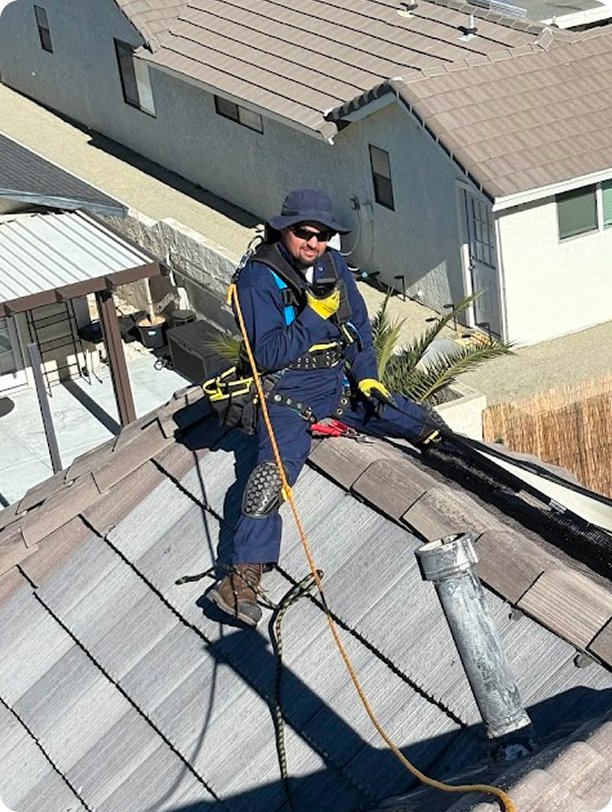
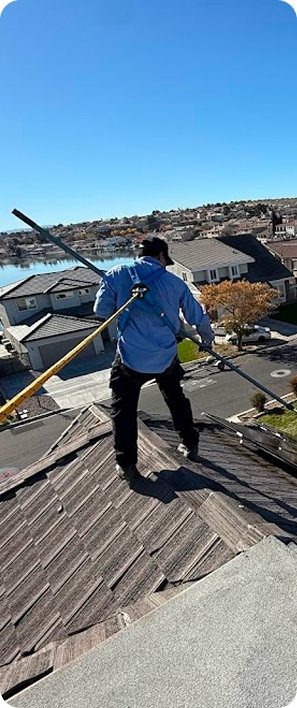
- Rooflines and eaves: gaps where the roof meets the wall, unscreened or damaged roof vents, and openings around plumbing vent pipes.
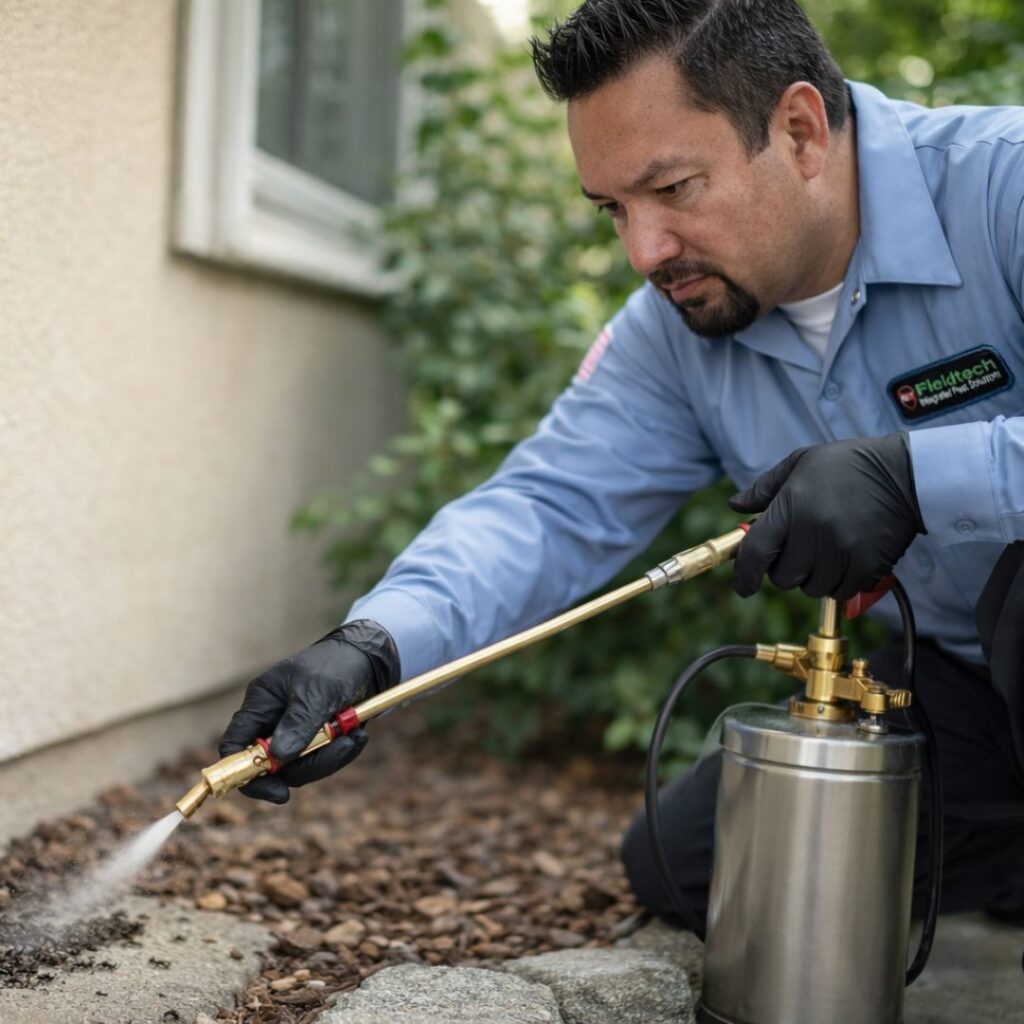
- Foundation and stucco: cracks in the foundation, gaps along the weep screed at the base of stucco walls, and unsealed crawl space vents.
- Doors and windows: missing door sweeps, gaps under exterior doors, and torn window screens.
- Vents: dryer vents without a working flap, and bath or kitchen exhaust vents with damaged covers.
Once inside, mice follow pipes and wiring through wall voids and travel between the attic, walls and kitchen without being seen. That is why the place you see a mouse is rarely the place it got in.
Why Mice Come Into the House in Winter
Mice do not hibernate. When temperatures drop, they need three things to survive: warmth, food and a safe place to nest. Your home offers all three.
In the High Desert, the shift can be sudden. Days can still be mild in October while nights drop sharply, and that is often when the first scratching starts. Mice that spent summer in brush, wood piles and fields move toward buildings, and homes next to open desert often feel it first.
Once a mouse finds a warm spot near food, it has little reason to leave. Mice breed quickly, so a couple of mice in November can become a much bigger problem by spring.
Rodent Proofing a House: Your Fall Checklist
Rodent proofing, also called exclusion, means finding and sealing every gap a mouse could use. Walk around the outside of your home in daylight with a flashlight and work through this list.
Outside the house
- Check where every pipe, wire and AC line enters the wall. Seal gaps larger than 1/4 inch.
- Look at the garage door bottom seal. If you can see daylight under it or at the corners, replace it.
- Fit door sweeps on exterior doors, including the door from the garage into the house.
- Check crawl space and foundation vents for missing or damaged screens.
- Look along the base of stucco walls and the foundation for cracks.
- Make sure the dryer vent flap closes fully.
Around the yard
- Trim shrubs and plants so they do not touch the walls or roof.
- Store firewood, lumber and debris off the ground and away from the house.
- Keep birdseed, pet food and animal feed in sealed metal containers.
- Keep trash cans closed with tight lids.
Use the right materials
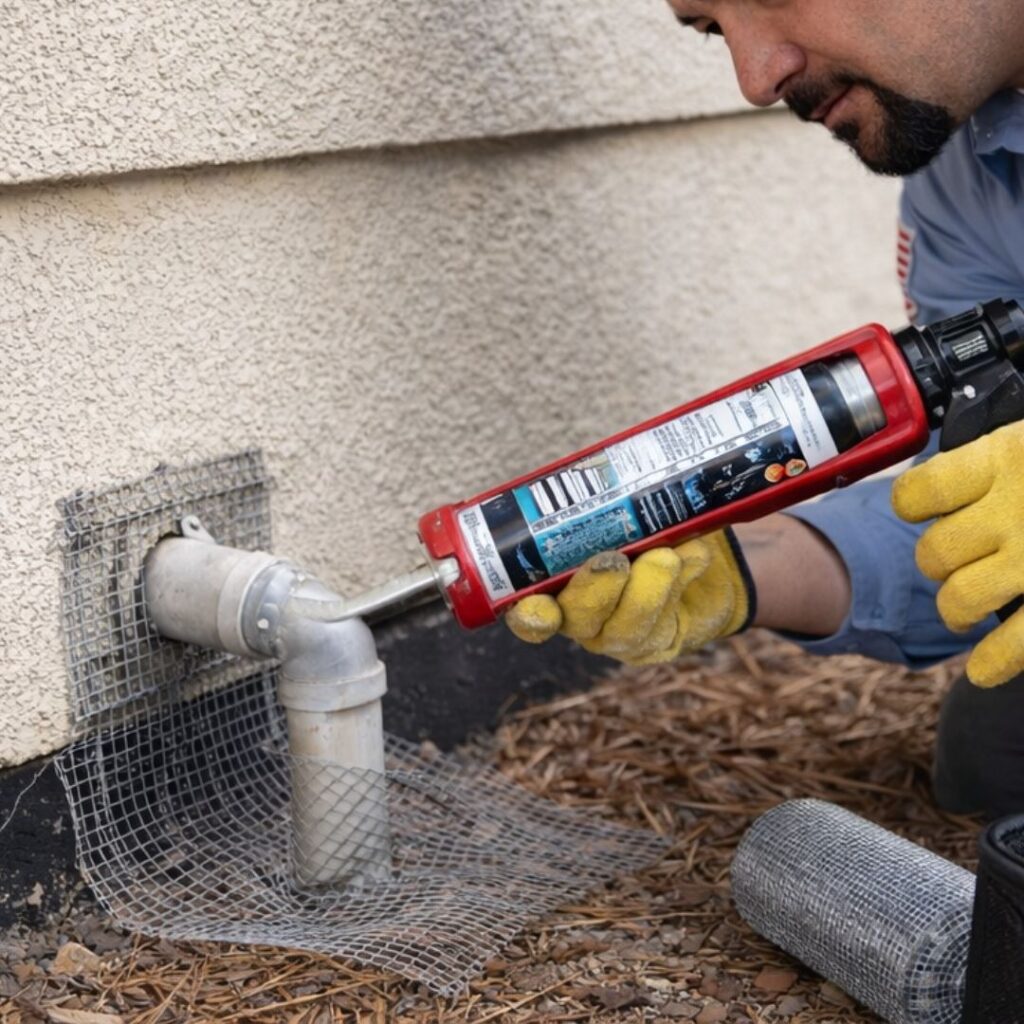
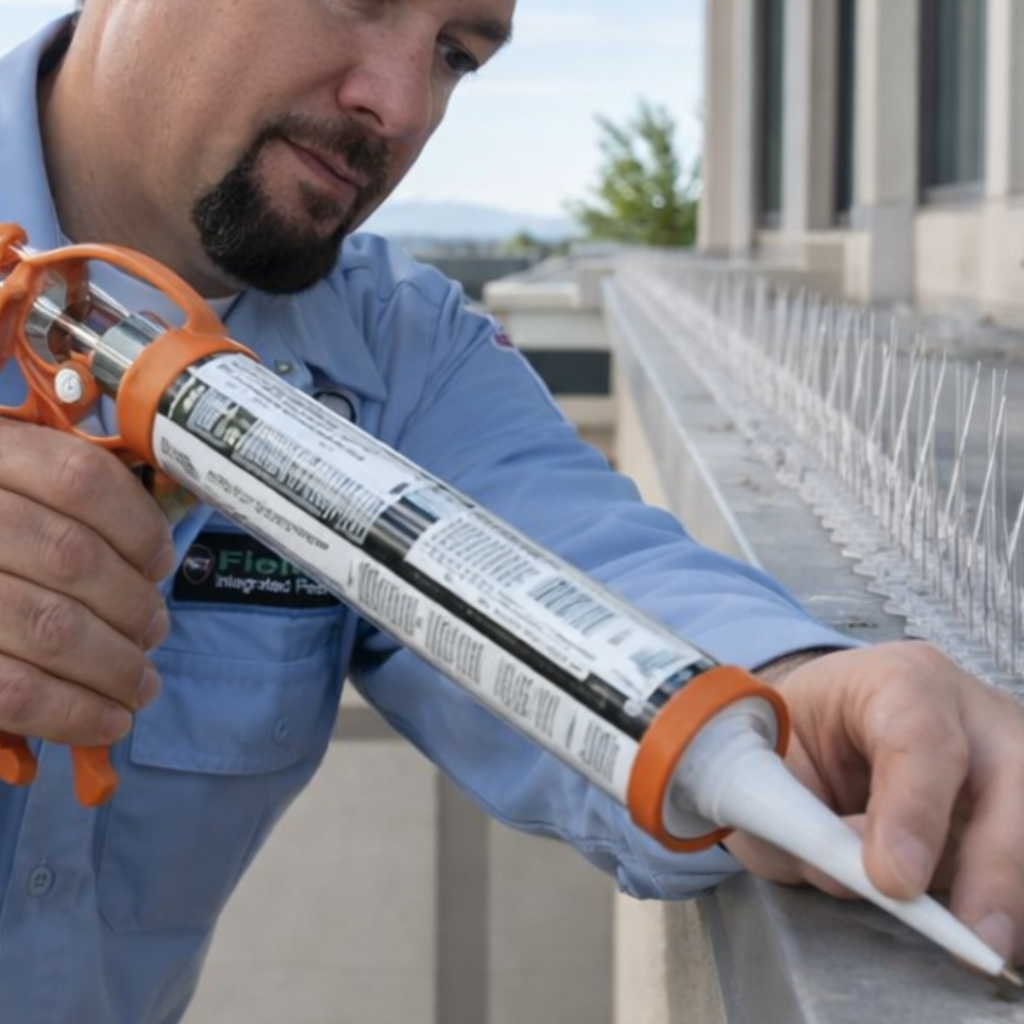
Mice chew through foam, rubber, plastic and wood. For small gaps, pack steel wool or copper mesh into the hole and seal over it with caulk. For larger openings, use hardware cloth, metal flashing, sheet metal or cement. Expanding foam on its own is not enough, because mice chew straight through it.
One important rule: if mice are already inside, seal the gaps after they have been removed. Sealing first can trap them in your walls, where they keep causing damage or die and leave an odor.
Rodent Proofing the Attic
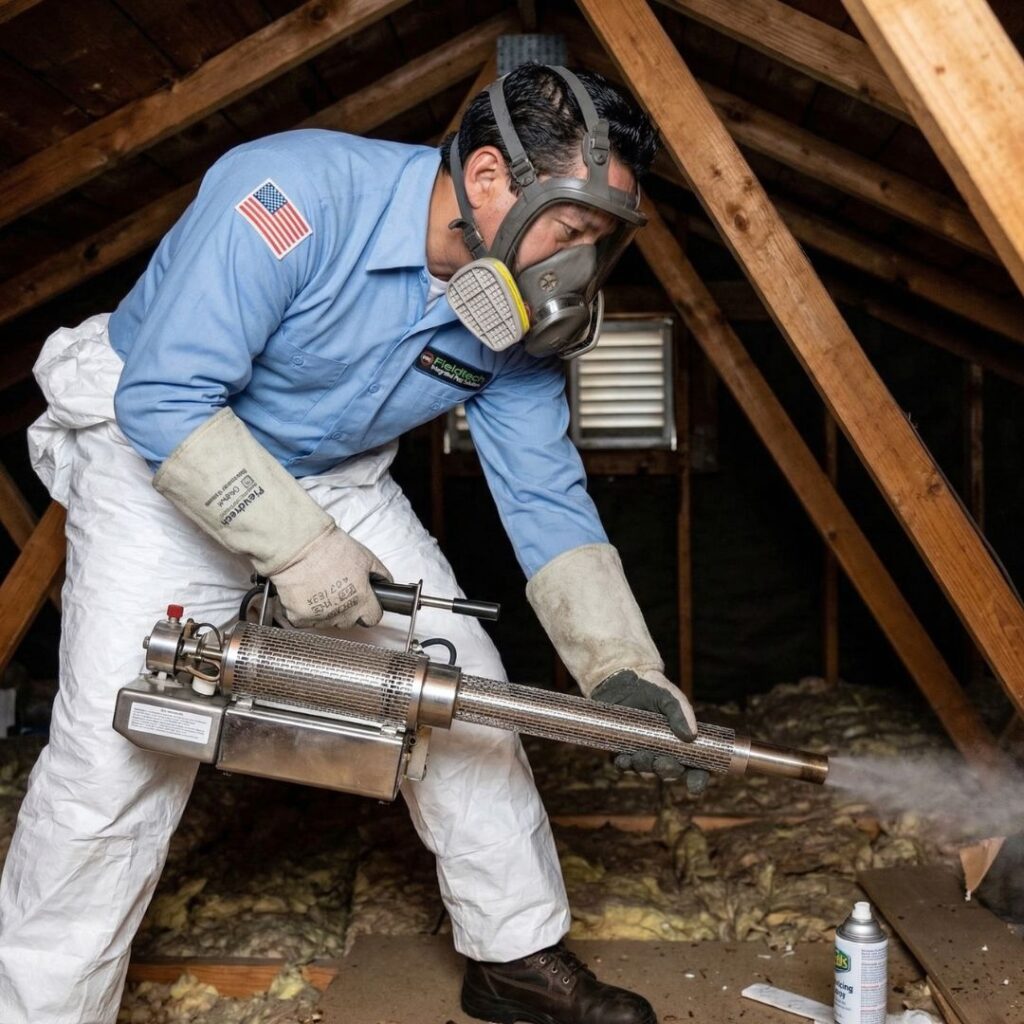
The attic is where many mouse problems start and where they do the most damage. Mice that get in at the roofline nest in the insulation, which is warm, soft and rarely disturbed.
To rodent-proof your attic:
- Check roof vents: gable vents and roof vents should have intact metal screens. Replace torn or plastic screening with metal.
- Seal gaps at the roofline: look for daylight where the roof meets the walls and at the eaves. These gaps are often hidden behind fascia boards.
- Check plumbing vent pipes: the opening around each pipe where it passes through the roof should be sealed.
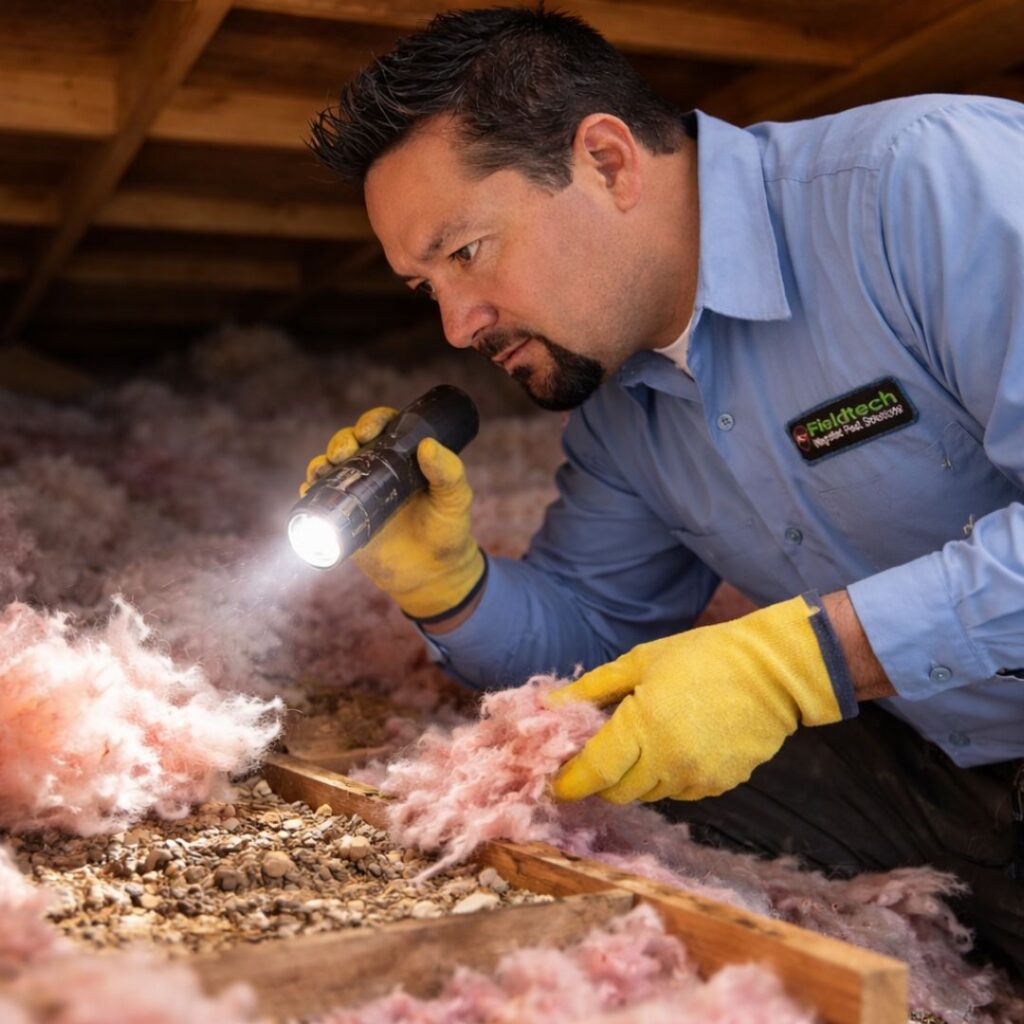
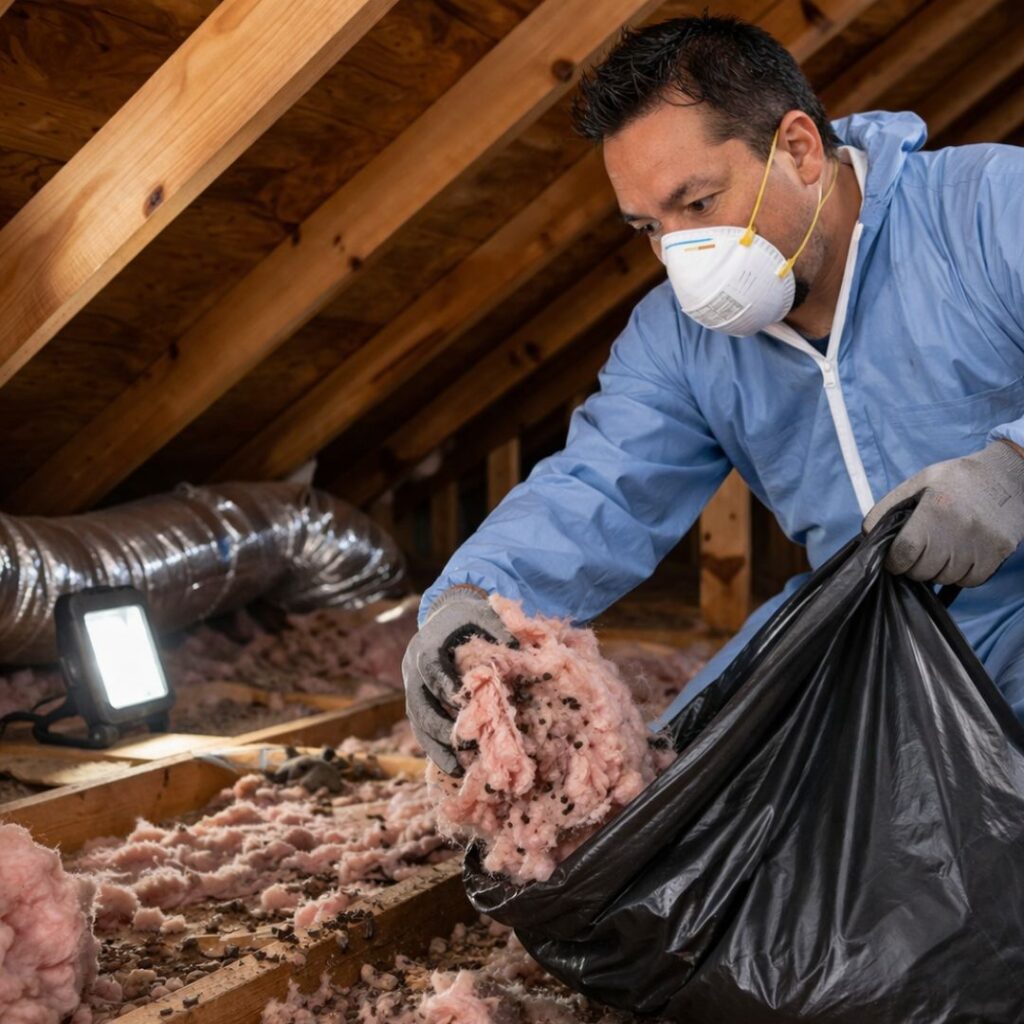
- Look at the insulation: tunnels, flattened areas, droppings or a stale smell are signs mice are already using it.
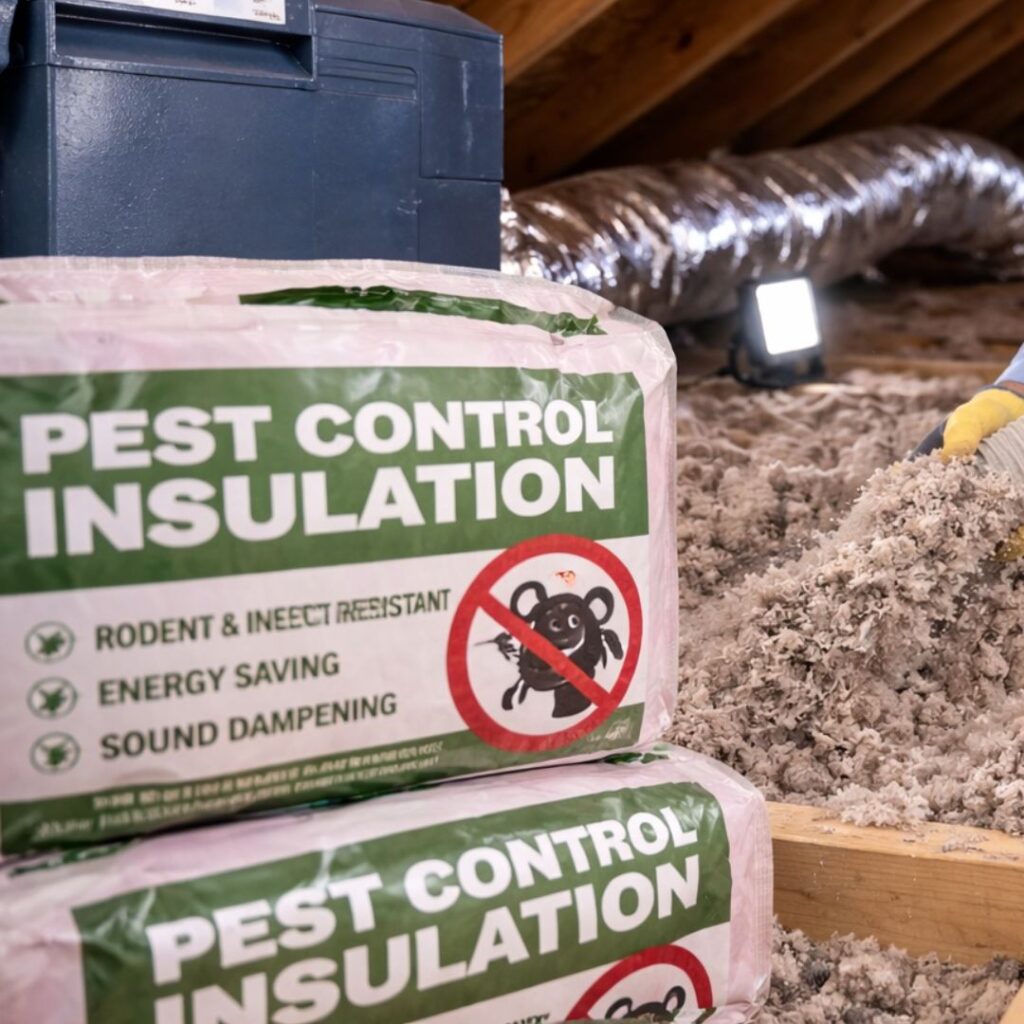
If mice have been living in the attic, sealing it is only part of the job. Urine and droppings soak into insulation and keep the odor that attracts more rodents. Our attic sanitation and deodorizing service cleans the space, and pest control insulation installation replaces damaged insulation once the attic is sealed. For heavier activity, see our guide to rats in the attic in Apple Valley.
Signs Mice Are Already Inside
Rodent proofing works best before mice move in. If you notice any of these, deal with the mice first, then seal:
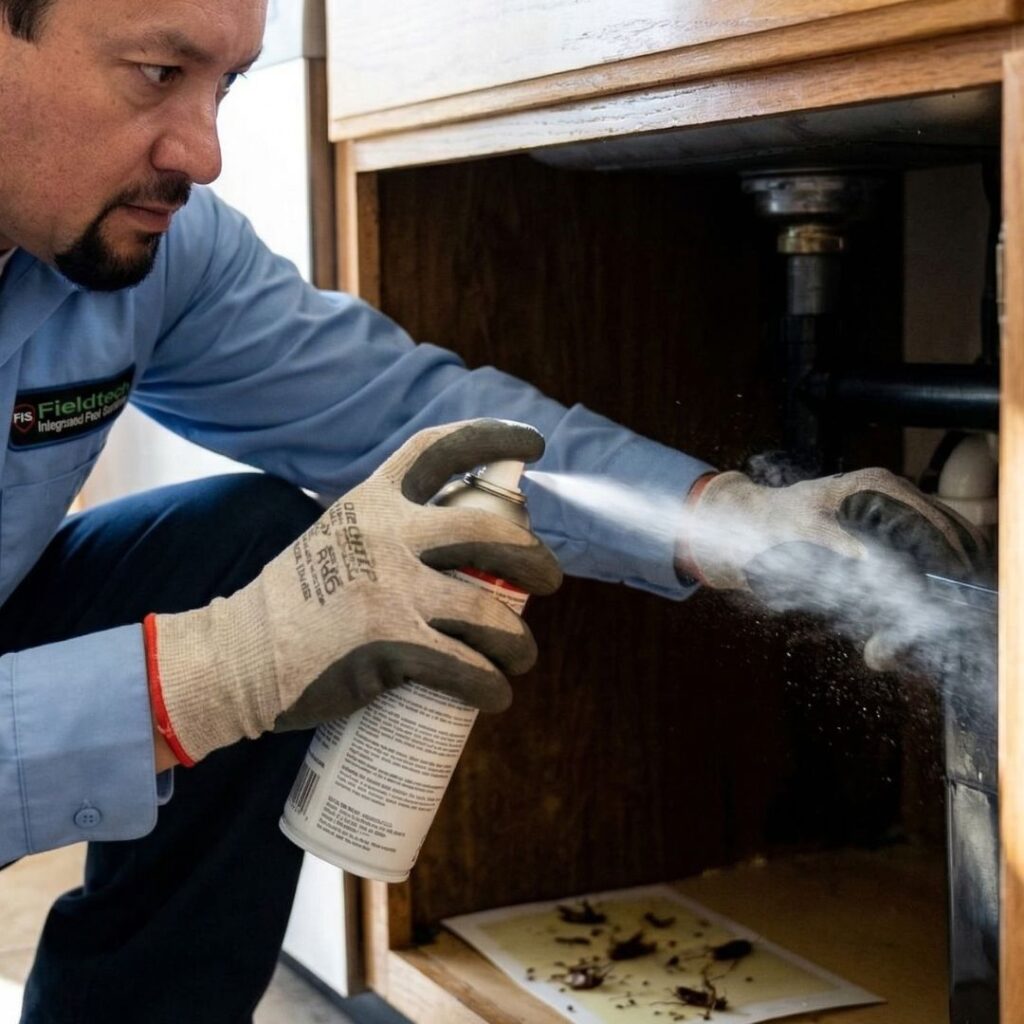
- Small, dark droppings with pointed ends along baseboards, in cabinets or under sinks
- Scratching or scurrying in walls or ceilings at night
- Chewed food packaging in the pantry
- Shredded paper, fabric or insulation
- A musky smell in closed cupboards or the garage
For a full list, read our guide to the signs of rodent infestation.
How Fieldtech Rodent-Proofs Homes
Sealing a home properly takes more than a can of foam. Nelson founded Fieldtech Integrated Pest Solutions in 2018 to do pest control the right way: find the real cause, fix it, and avoid unnecessary pesticide use.
Our rodent proofing service includes:
- A free detailed inspection of the roofline, attic, foundation, garage and every utility penetration
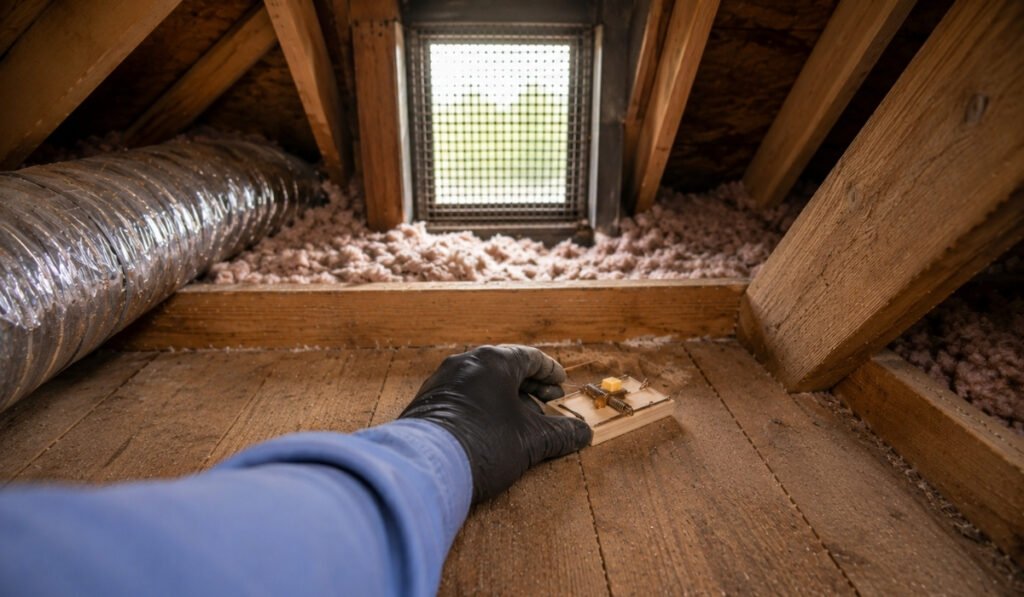
- Removal of any mice already inside with targeted trapping through our mice control service
- Exclusion work using metal mesh, flashing and sealants that rodents cannot chew through
- Attic cleanup and insulation replacement where mice have already done damage
We return calls within one hour, our solutions are guaranteed, and new customers get 5% off. Military members, seniors and first responders get 10% off. We serve homes across the High Desert and Inland Empire, including Apple Valley, Victorville and Hesperia.
Want your home sealed before winter? Call Fieldtech at (800) 805-5758 to book a free inspection.
Frequently Asked Questions
What is the most common way mice get into a house?
Some of the most common entry points on High Desert homes are worn garage door seals, gaps around utility lines and AC lines, and openings along the roofline. Mice can use any gap about 1/4 inch wide or larger.
Can mice get in if my house is clean?
Yes. A clean home makes mice less likely to stay, but it does not stop them getting in. Mice come inside for warmth and shelter as much as food, so sealing entry points matters more than cleaning alone.
When is the best time to rodent-proof a house?
Early fall, before the first cold nights push mice indoors. In the High Desert, that usually means September and October, but sealing your home works at any time of year.
Does expanding foam keep mice out?
Not on its own. Mice chew through foam easily. Pack gaps with steel wool or copper mesh first, then seal over it, or use hardware cloth, metal flashing or cement for larger openings.
How do I know if mice are getting into my attic?
Look for droppings on the insulation, tunnels or flattened areas, shredded material and a stale or musky smell. You may also hear scratching above the ceiling at night.