That scratching in your ceiling after dark isn’t random. If you live in Apple Valley, Victorville, or anywhere in the High Desert, there’s a strong chance you’re hearing roof rats, and they’ve likely been there longer than you think.
Rats in the attic are one of the most common and destructive pest problems facing High Desert homeowners. They’re quiet enough to go unnoticed for weeks, breed fast enough to turn a small problem into a serious infestation, and cause damage that goes far beyond what most people expect. According to the CDC, rats and mice contaminate more than 20 percent of the world’s food supply and spread diseases including hantavirus, leptospirosis, and salmonella through their droppings, urine, and nesting material.
This guide walks you through how to confirm you have rats in your attic, what damage they’re causing right now, and what a proper solution actually looks like. If you already know you have a problem and want help fast, Fieldtech Integrated Pest Solutions offers free inspections across Apple Valley and the Inland Empire with a 1-hour callback guarantee.
Why Roof Rats Are So Common in Apple Valley’s High Desert
The High Desert climate is a significant driver of rodent pressure in this region. Hot, dry summers and the scarcity of natural food and water sources in the desert push rodents toward homes and businesses in Mojave-area cities. When seasonal temperatures shift, rats actively push indoors, and your attic, with its warmth, insulation, and darkness, is exactly what they’re looking for.
Roof rats, the dominant species in Southern California, are exceptional climbers. They use overhanging trees, patio covers, power lines, and utility lines to scale walls and slip into attic spaces. Once inside, they establish nesting sites, begin breeding, and rarely leave on their own.
Apple Valley’s mix of suburban development bordering open desert places many homes near desert edges where wildlife and pest species move easily between natural and built environments. That means the pressure is constant, not just seasonal. Without proper rodent proofing and entry point sealing, your home remains vulnerable year-round.
8 Signs You Have Rats in Your Attic
You’re far more likely to notice the evidence of rats than to see one directly. Here’s what to look for.
1. Scratching or Scurrying Sounds at Night
Roof rats are primarily nocturnal, so the rustling, chattering, and scurrying sounds they make while moving through the attic or inside walls are most noticeable after sunset. If the noise stops when you make a sound and resumes when the house is quiet again, that’s a strong indicator of an active infestation.
2. Droppings in the Attic, Kitchen, or Garage
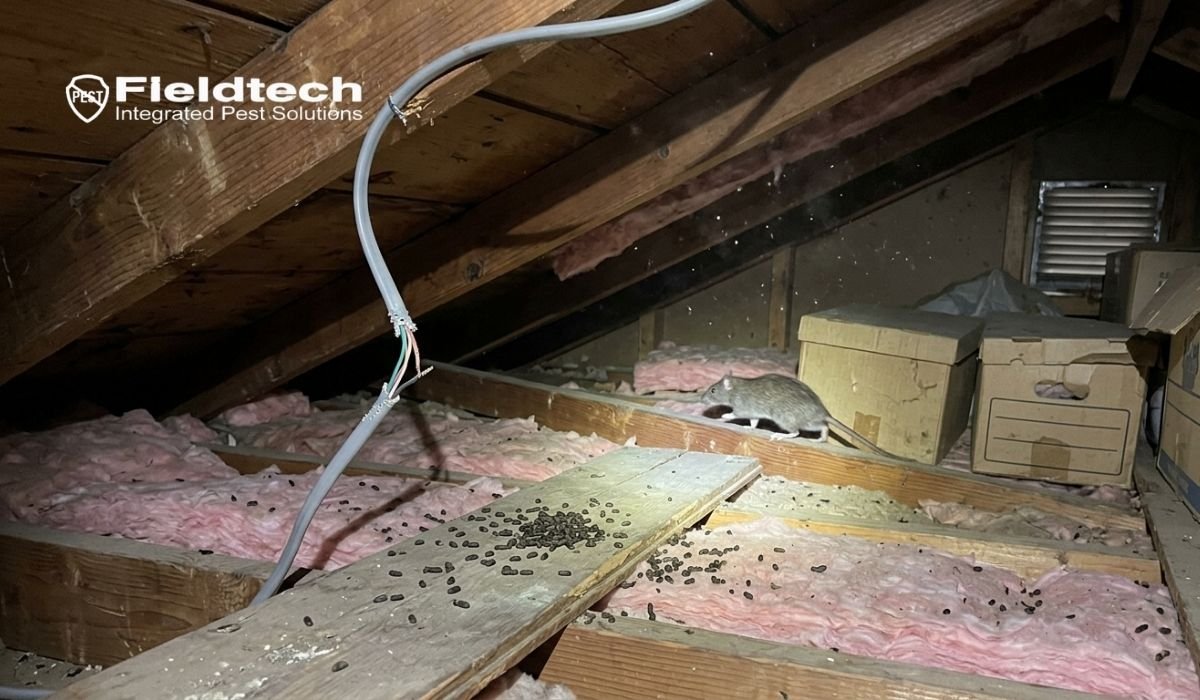
Rat feces are dark, typically banana-shaped, and about half an inch long. They’re often concentrated in the attic, along baseboards, or near food sources in the pantry. Fresh droppings are soft and dark; older ones dry out and turn gray. Finding droppings in multiple areas of the home signals an established population.
3. Gnaw Marks on Wires, Wood, or Pipes
Roof rats gnaw continuously on virtually everything: electrical wiring, food packaging, wooden structural elements, and plastic pipes. Gnaw marks are commonly found along beams, baseboards, and around pipe penetrations. Chewed wiring is one of the most dangerous consequences of a rat infestation.
4. Greasy Rub Marks Along Walls
Rats follow the same travel routes repeatedly. The natural oils in their fur leave dark smear marks along walls, pipes, and beams, especially near entry points and established pathways. These rub marks are one of the most reliable indicators of a well-established infestation.
5. Shredded Nesting Material
Rats tear insulation, paper, fabric, and cardboard to build nests. Finding piles of shredded material in your attic, behind your water heater, or inside cabinets means they’ve settled in and are actively nesting. The more nesting material present, the longer they’ve been there.
6. A Strong Ammonia or Musty Odor
Rodent urine soaking into attic insulation produces a sharp, persistent ammonia-like smell. If you notice an unexplained odor in your home, especially near vents or in the ceiling, contaminated insulation is often the cause. This is also a health hazard: airborne particles from contaminated insulation can circulate through your ductwork.
7. Visible Entry Points on Your Roofline
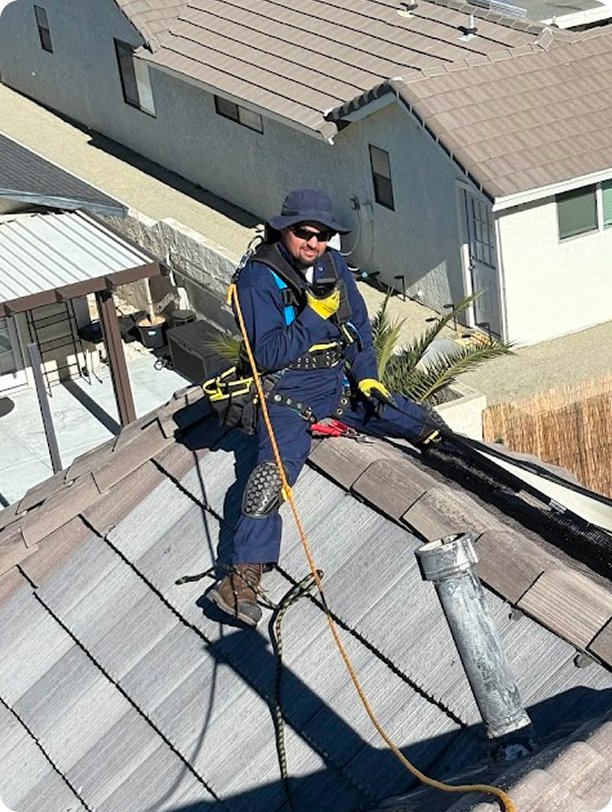
Rats can squeeze through a hole the size of a quarter. Common entry points include gaps around pipe penetrations, deteriorated vent screens, compromised fascia boards, and openings where utility lines enter the roofline. These are often invisible from the ground but clearly visible during a professional inspection.
8. Pets Acting Strangely
Dogs and cats frequently detect rodent activity before their owners do. If your pet is fixated on a particular wall, ceiling, or corner of the house for no apparent reason, take it seriously. Animals often pick up on sounds and scents that humans can’t detect, particularly in the early stages of an infestation.
What Rats Are Doing to Your Home Right Now
Here’s the part most homeowners don’t fully appreciate until after the damage is done.
Chewing Through Electrical Wiring
Rats gnaw continuously, and electrical wiring is one of their most dangerous targets. Chewed wiring inside walls and attic spaces is a leading hidden cause of residential fires. Because it happens out of sight, it’s rarely caught until it’s already a crisis. The NFPA estimates that rodent damage to wiring contributes to thousands of house fires in the United States each year.
Destroying Your Attic Insulation
Rat urine and feces saturate insulation fibers over time, rendering them useless for temperature regulation. In Apple Valley’s extreme summer heat, functional attic insulation is not a luxury, it’s a necessity. Beyond the energy efficiency impact, contaminated insulation becomes a biohazard that circulates harmful particles through your home’s ductwork every time your HVAC system runs.
Spreading Disease
Rodents spread serious illnesses including leptospirosis, murine typhus, rat-bite fever, and salmonella. They also introduce secondary pest problems: rats carry fleas, lice, and ticks into your home, which can then establish their own infestations. A rat problem left unaddressed is rarely just a rat problem for long.
Multiplying Faster Than You’d Expect
Female rats reach sexual maturity in as little as two to five months, produce litters of six to nine pups, and can become pregnant again within hours of giving birth. What starts as two or three rats in late fall can become dozens by spring if nothing is done. Every week without action makes the problem more expensive and more difficult to resolve.
Why Traps from the Hardware Store Won’t Solve It
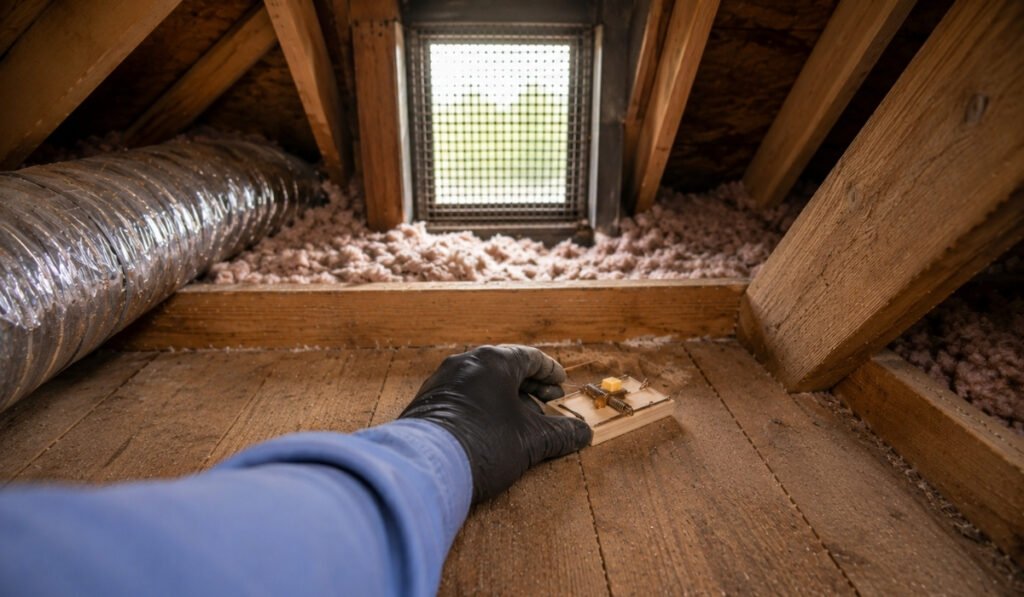
Snap traps and poison bait stations catch individual rodents. They do not stop new ones from coming in. If every entry point is not properly sealed, rats will simply re-enter through the same openings or find new ones. An untrained eye will miss most of them.
Poison carries its own serious risks. Rodents that consume it often die inside walls or the attic, creating foul odors, attracting flies, and compounding the contamination problem already present. There is also a significant risk of secondary poisoning to pets and wildlife that consume dead or dying rodents.
Without a structural solution, the cycle repeats itself season after season. The only approach that delivers permanent results is one that combines active population removal with thorough exclusion and attic remediation.
How Fieldtech Solves Rat Infestations in Apple Valley, CA
Our rodent control process is built around permanent results, not recurring treatments that keep you paying without fixing the root cause. Here is what a complete solution looks like.
Comprehensive Attic Inspection
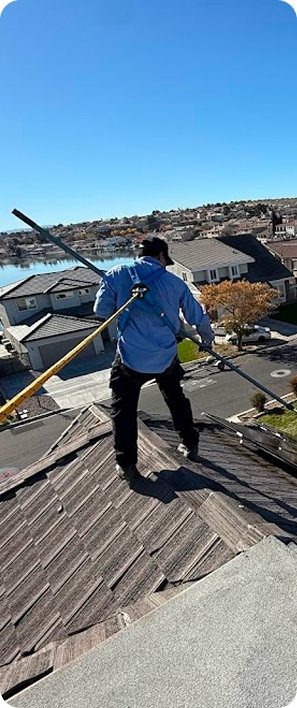
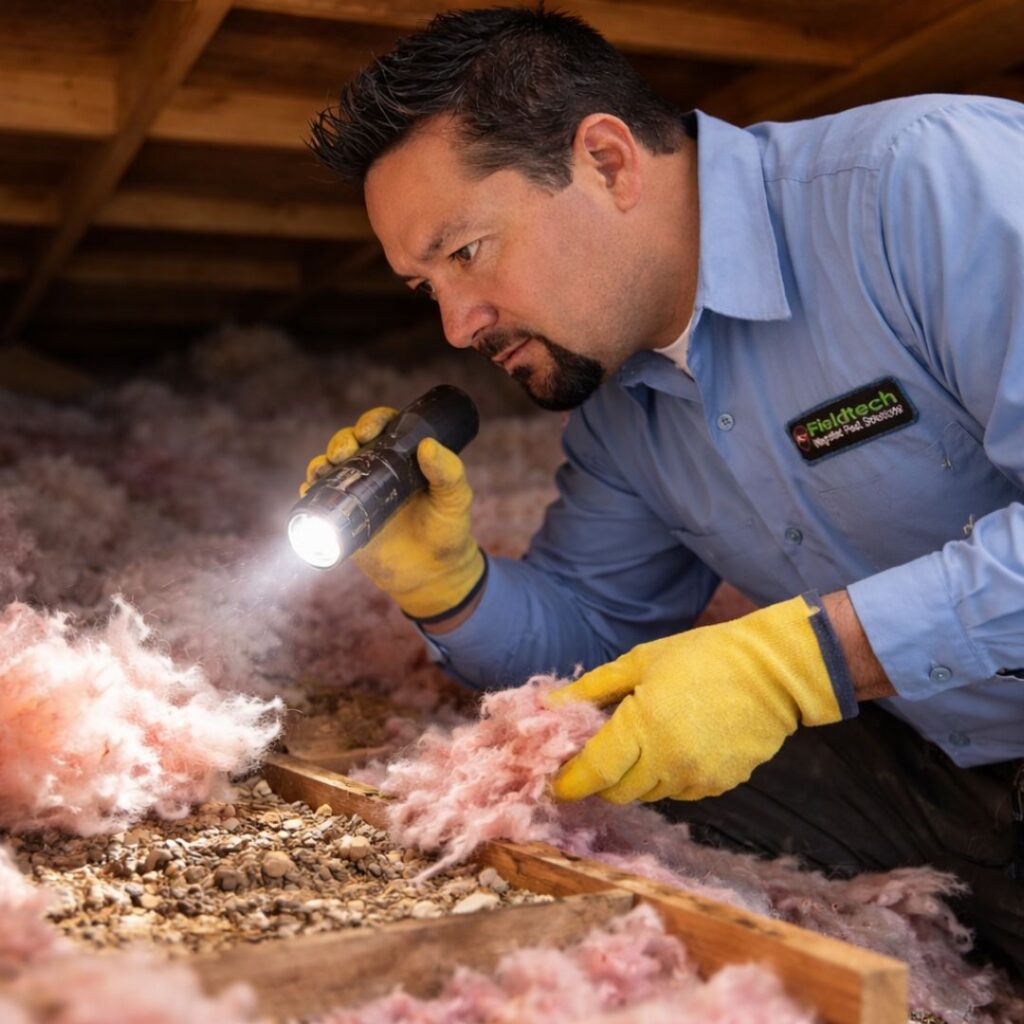
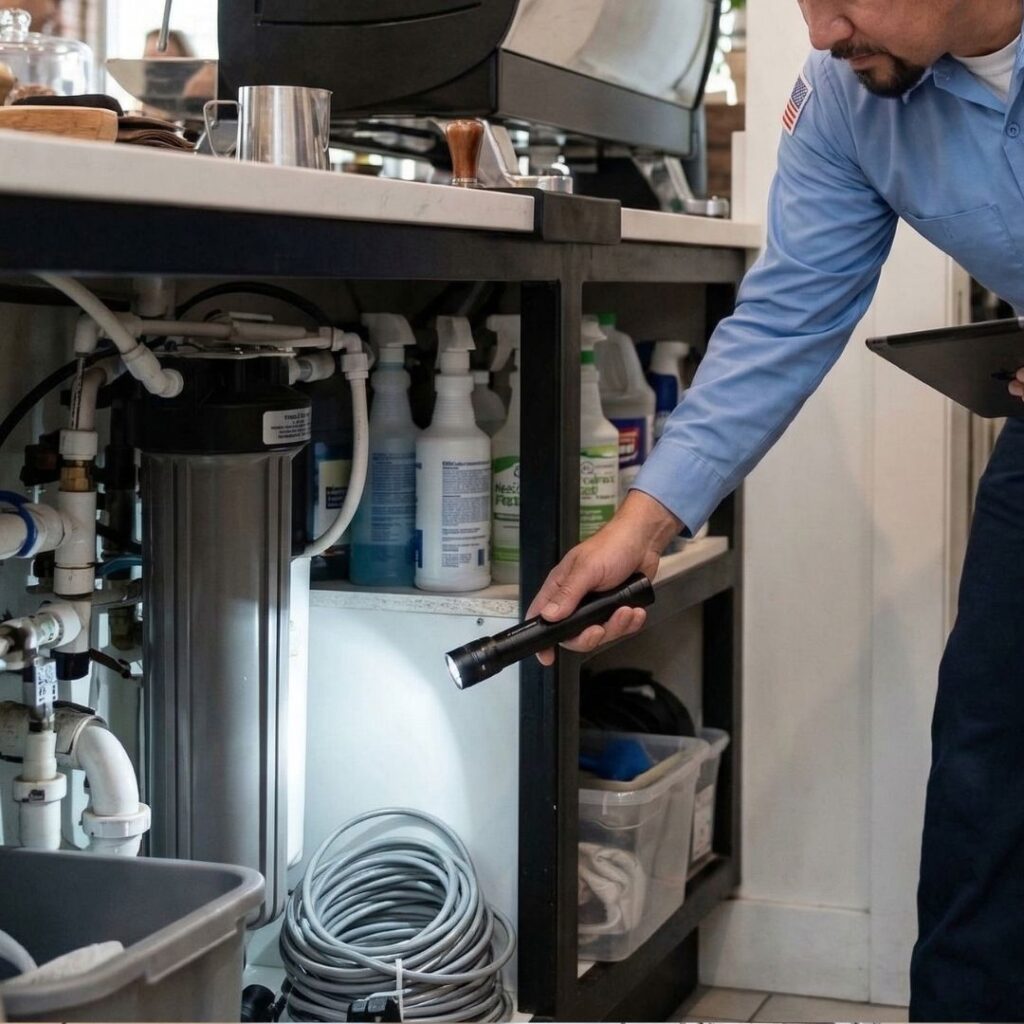
We inspect the full interior and exterior of your property, including the attic, roofline, and crawlspaces, to map every active nest site and every entry point rats are using. This step is what makes everything else work. Without knowing exactly where rats are entering and nesting, treatment is guesswork.
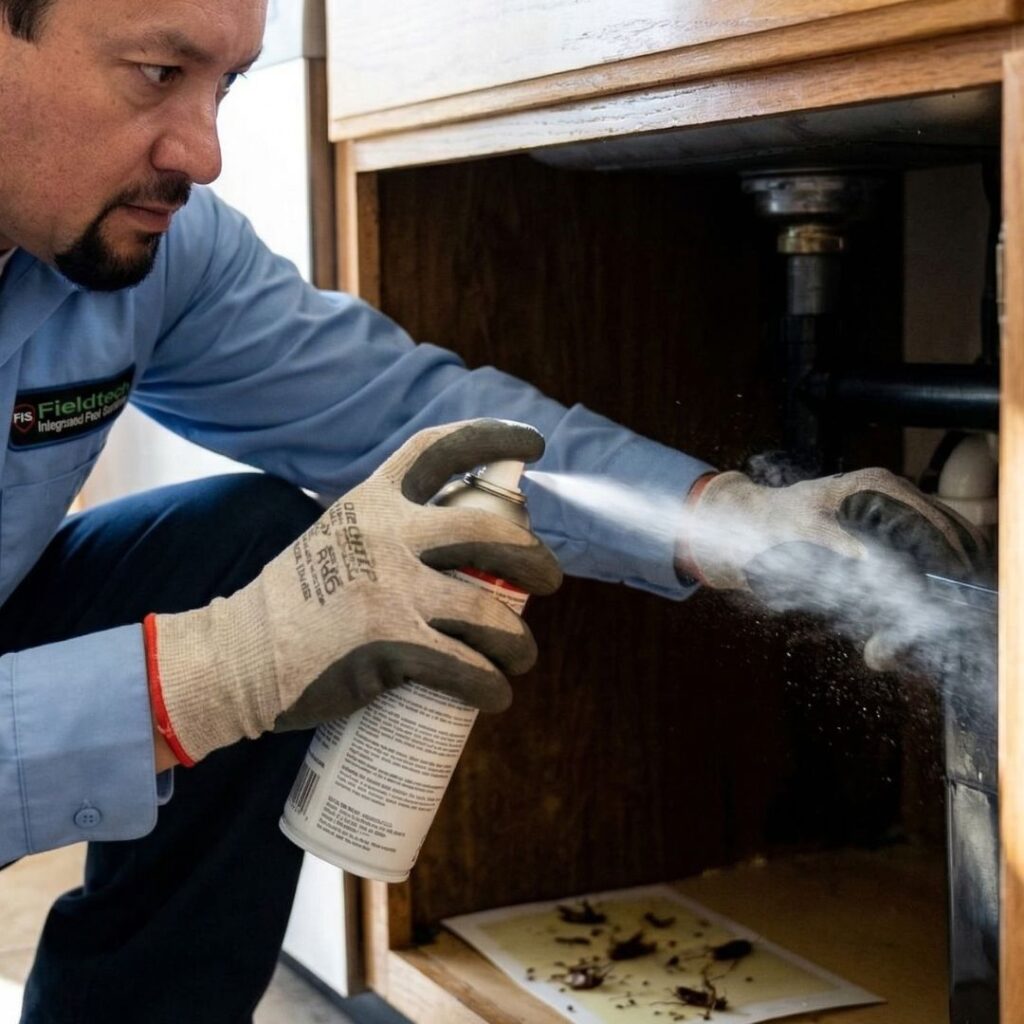
Targeted Rodent Elimination
We deploy professional-grade rodent control strategies that remove the active population cleanly, without the odor or secondary pest problems that poison creates when rodents die inside walls.
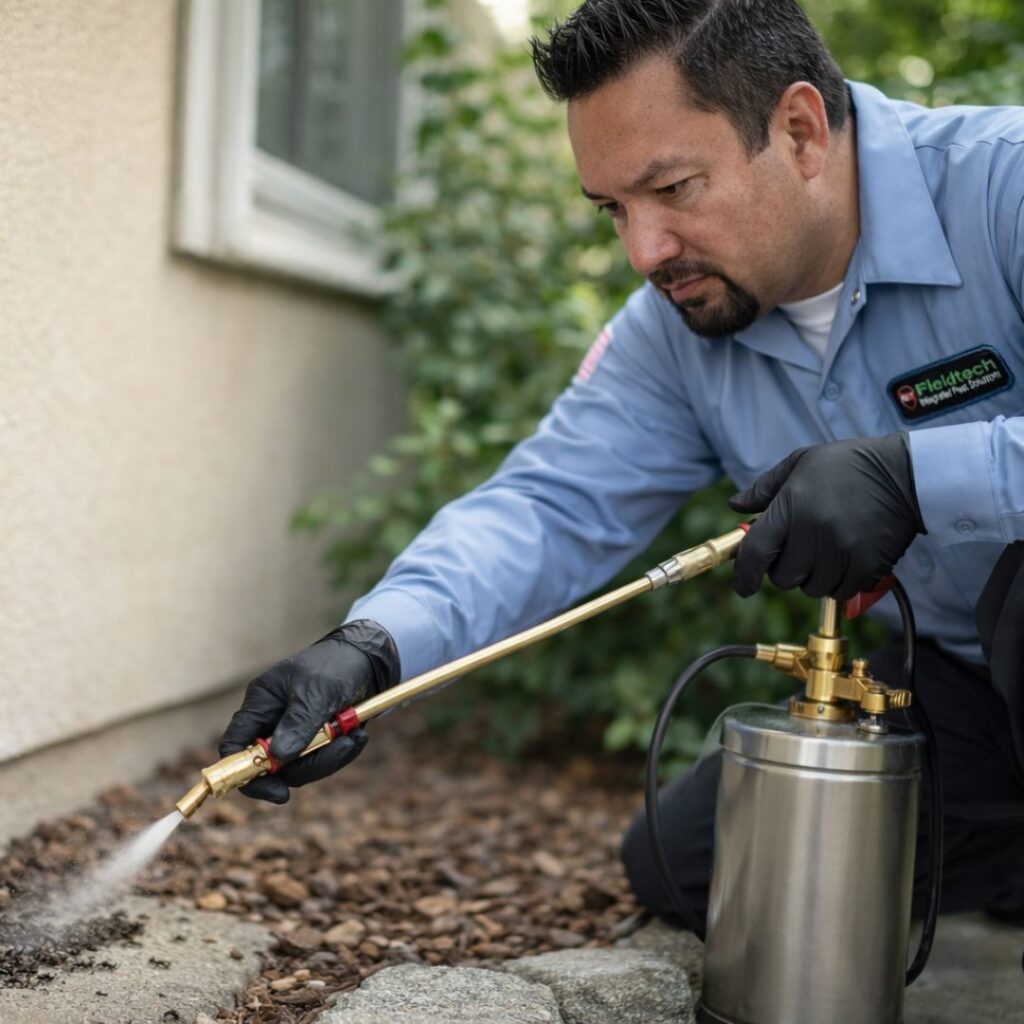
Rodent Proofing and Entry Point Sealing
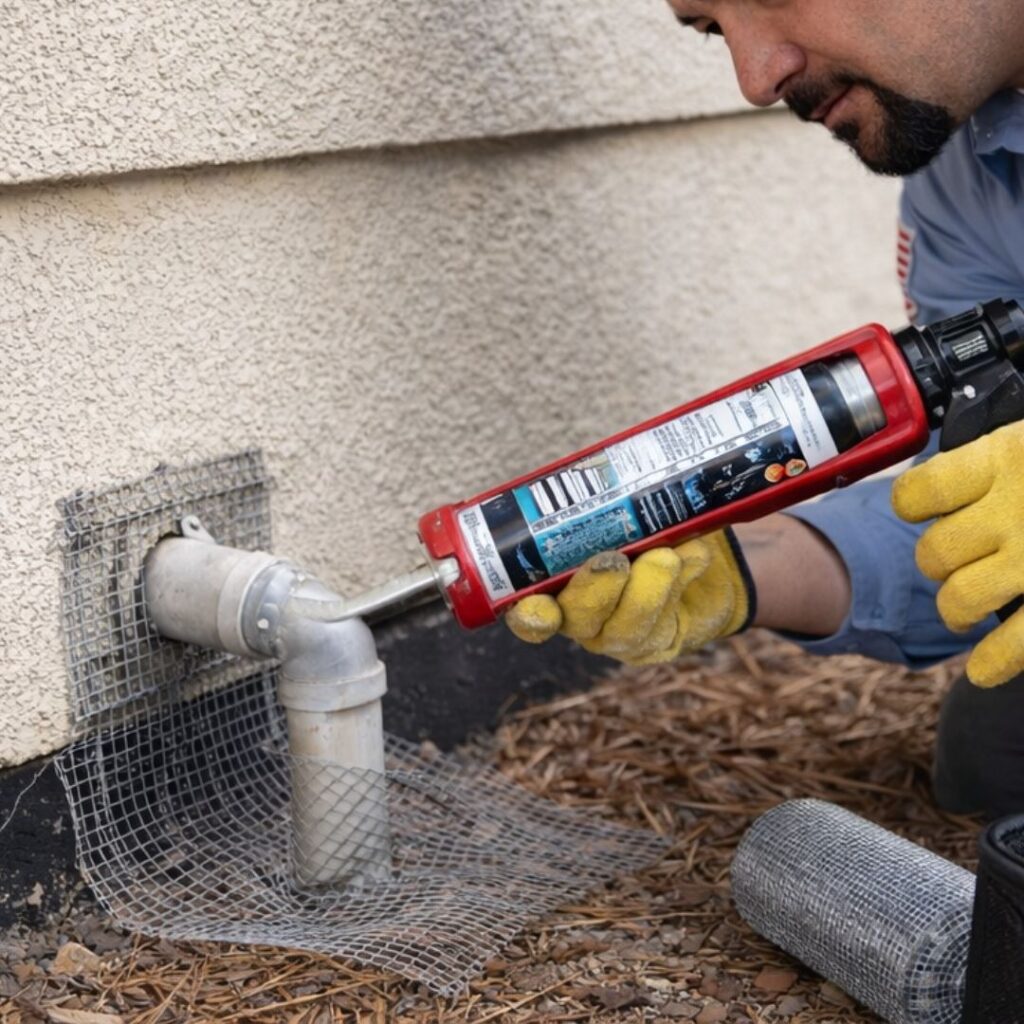
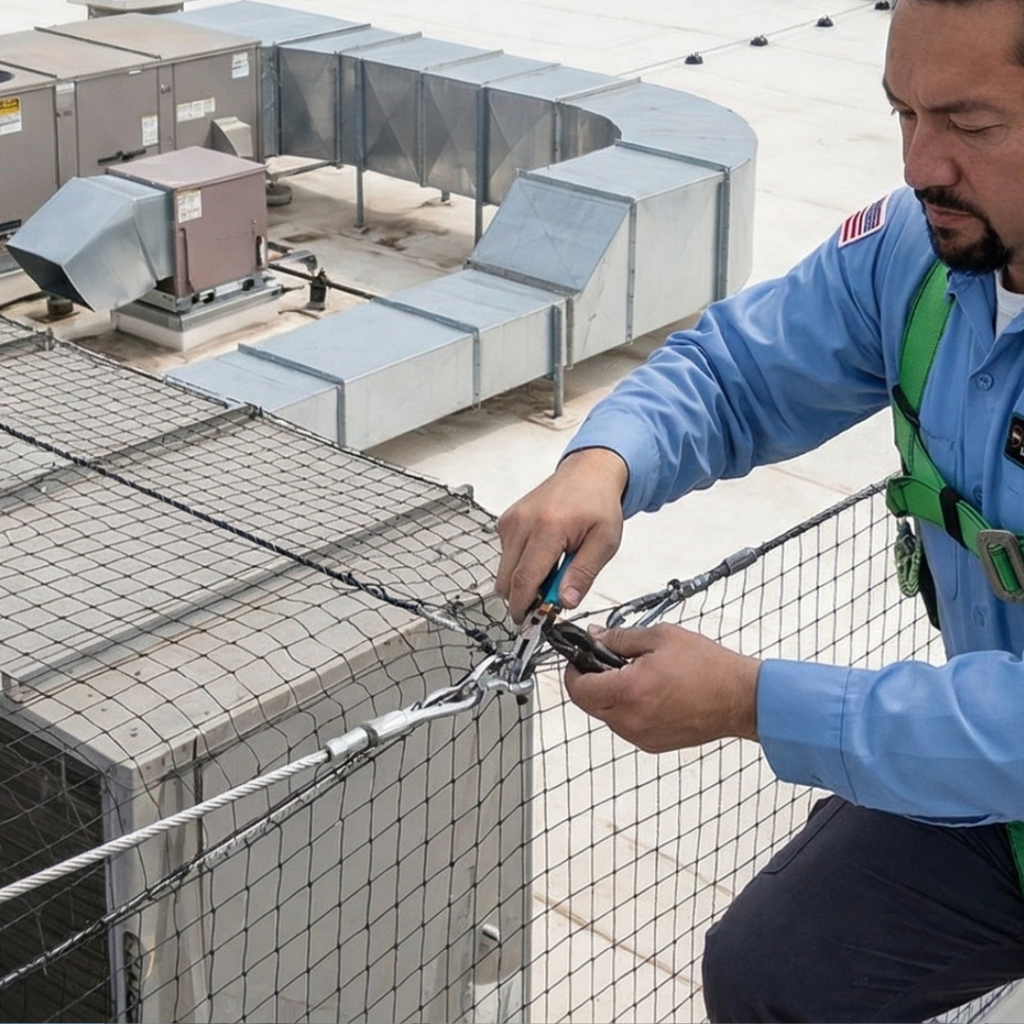
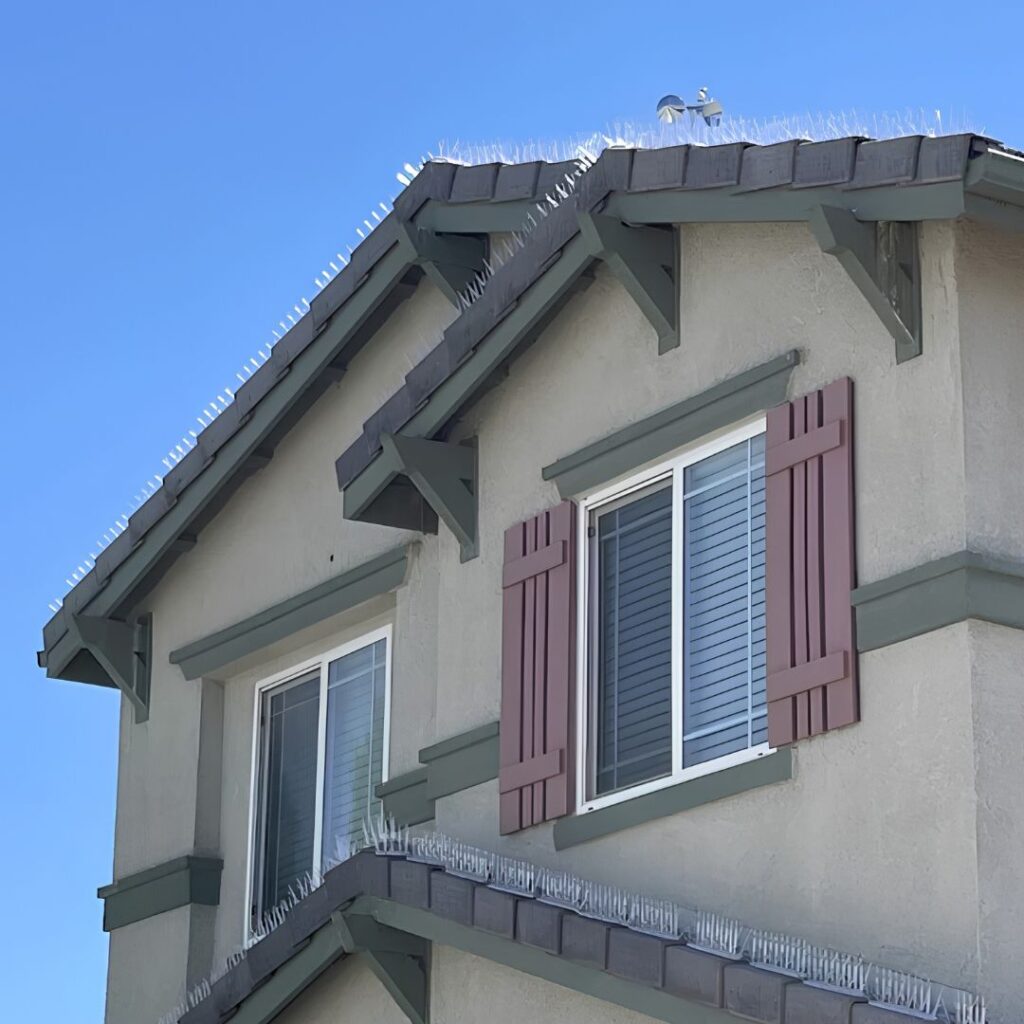
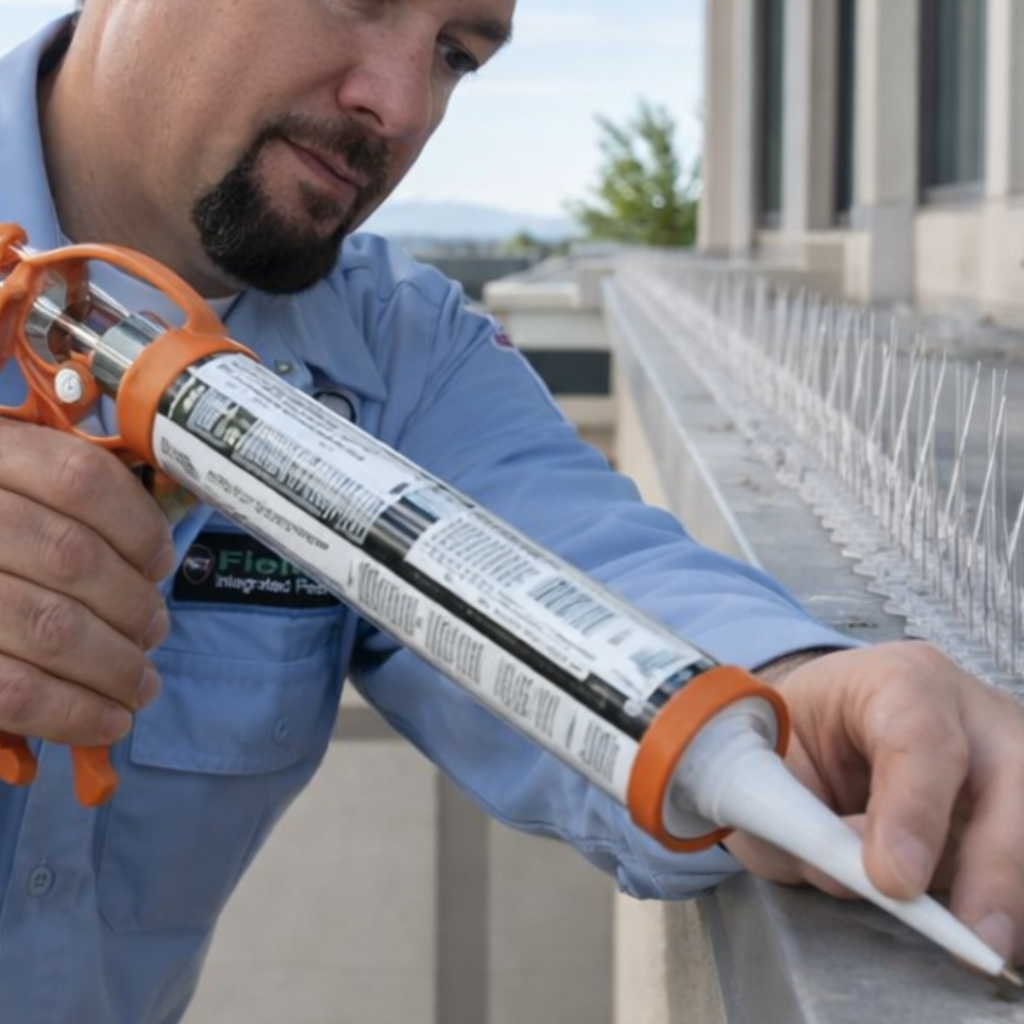
Every gap, crack, and opening rats are using to enter your home is permanently sealed with durable materials. This is the step that prevents them from coming back, and it’s what separates a real fix from a temporary one. Our rodent proofing and entry point sealing service covers every access point a homeowner might miss, including those inside the attic that aren’t visible from the ground.
Contaminated Insulation Removal
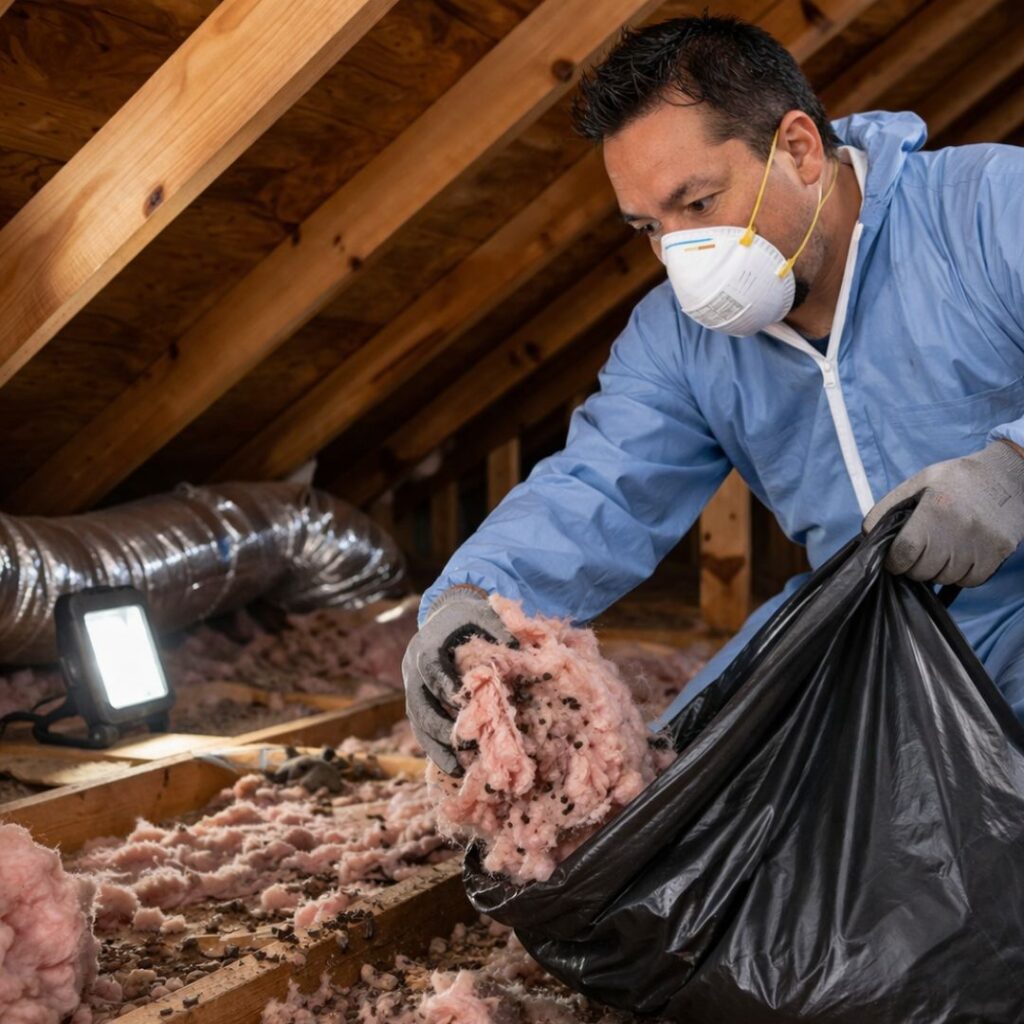
If rats have been active in your attic, we safely remove rodent-soiled insulation and thoroughly clean and sanitize the affected areas. Our contaminated insulation removal service eliminates harmful bacteria, odors, and the pheromone signals that would otherwise continue attracting new rodents to your attic.
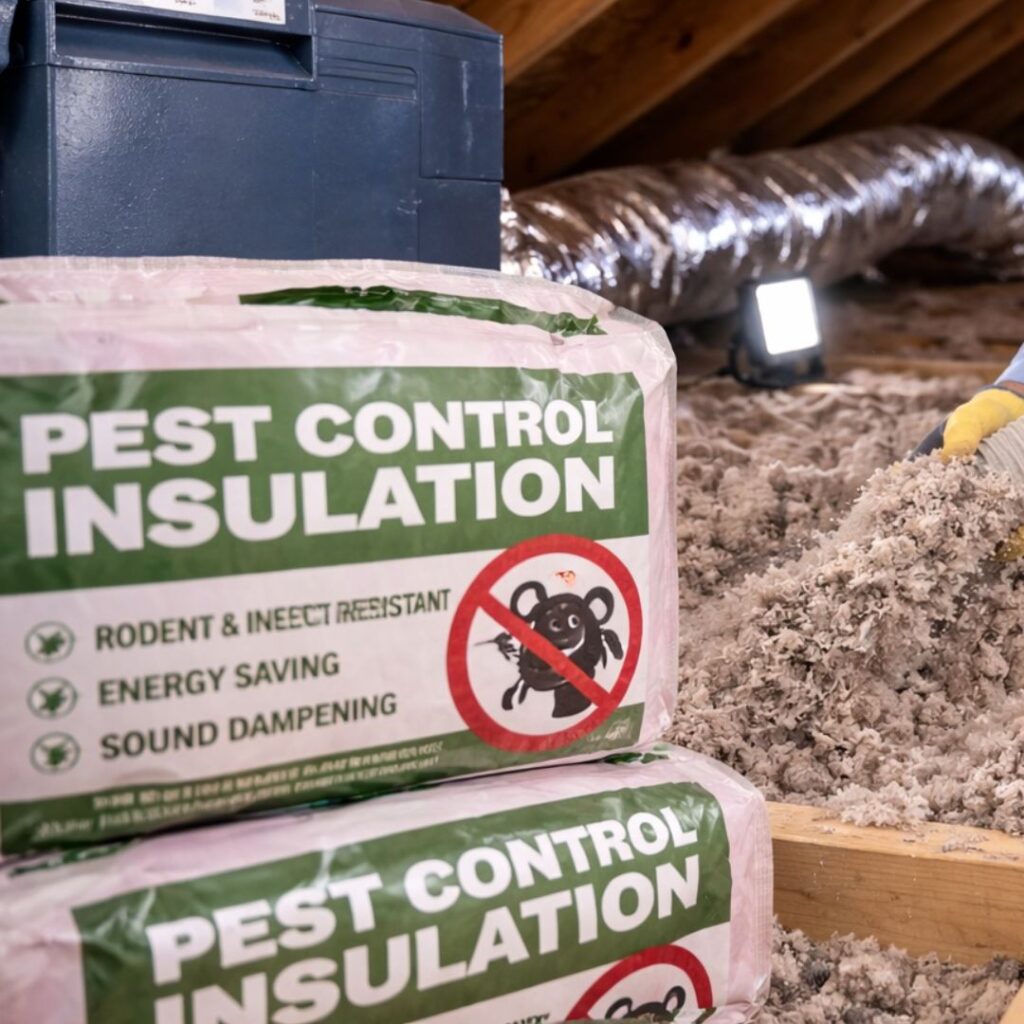
Pest Control Insulation Installation
We replace contaminated insulation with new, pest-resistant insulation that restores your home’s energy efficiency and indoor air quality. Our pest control insulation installation service is a meaningful benefit for High Desert homeowners dealing with extreme summer heat, where functional attic insulation directly impacts monthly energy costs.
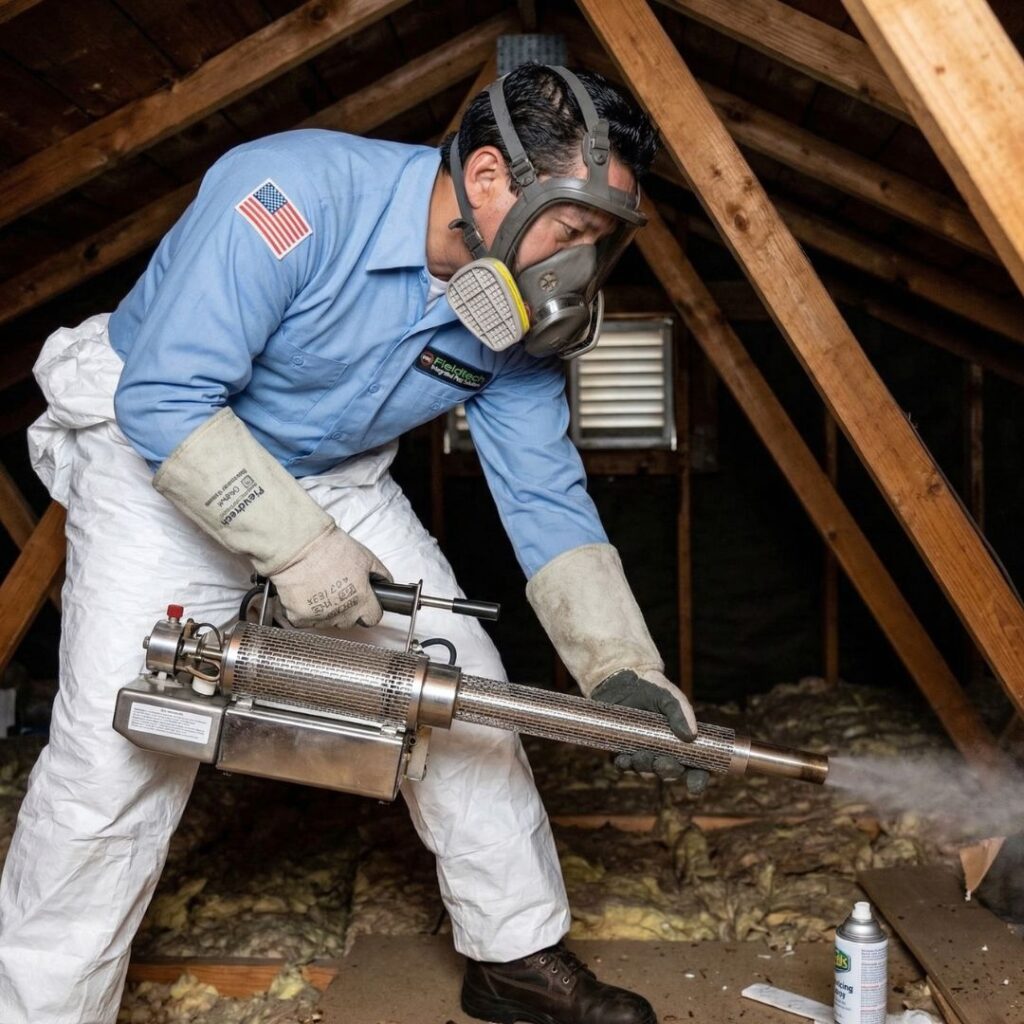
Attic Sanitation and Deodorizing
We neutralize the pheromone trails and ammonia odors left behind by rodents. This step is critical. Without it, the scent signals that attracted rats to your attic in the first place remain active and will draw new rodents in, even after every entry point has been sealed. Our attic sanitation and deodorizing service completes the remediation and gives you a genuinely clean, protected attic space.
Rats in the attic are not a problem that resolves itself. Every week without action means more droppings soaking into your insulation, more wiring at risk, and a larger population to deal with. The damage accumulates quietly and out of sight, which is exactly why so many homeowners don’t realize how serious things have gotten until the problem is already severe.
The good news is that a properly executed rodent control program, one that combines elimination, exclusion, and full attic remediation, delivers permanent results. You don’t have to keep dealing with the same problem year after year.