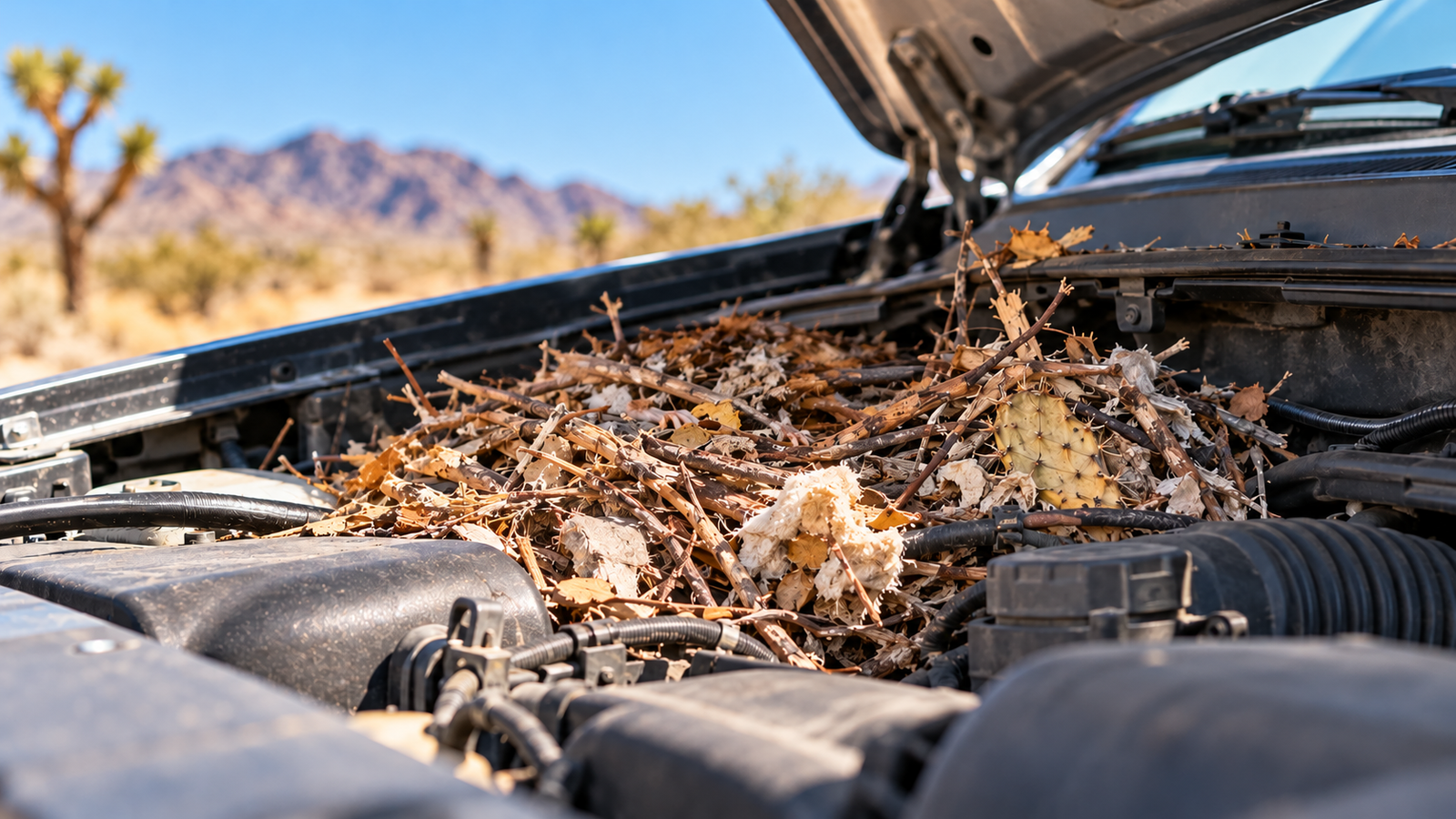
You lift the hood of a truck that has been parked for a few weeks and find a pile of sticks, cactus pieces and shredded insulation on top of the engine. Or you open the shed and a corner is stacked with twigs, foil and a missing set of keys. That is the work of a pack rat. Rodents are a common household problem, with the U.S. Census Bureau reporting that nearly 14.8 million U.S. homes saw rodents in a single year, and the University of Nebraska’s Prevention and Control of Wildlife Damage handbook notes that pack rats will move into parked vehicles and gnaw through wiring.
Pack rats, also called woodrats, are a different animal from the roof rats and Norway rats most people picture. They are native to the desert and brushland of the West, and they are well suited to the High Desert around Apple Valley, Hesperia, Phelan and Lucerne Valley, where rocky slopes, brush and open land meet homes, sheds and parked vehicles.
This guide covers what a pack rat looks like, how it differs from a regular rat, where it builds nests in and around homes, and how to get rid of it for good. If you would rather have it handled for you, our rodent control service starts with a free detailed inspection.
What Does a Pack Rat Look Like?
A pack rat is about the size of a large rat, but it looks softer and cleaner. The desert woodrat, one of the species found in Southern California deserts, measures about 10 to 13 inches long including the tail.
Signs that you are looking at a pack rat:
- Hairy tail: the tail is covered in short fur, not bare and scaly like a roof rat or Norway rat.
- Large ears and big dark eyes: the face looks more like an oversized mouse than a rat.
- Soft, fine fur: usually gray to brownish on top.
- Light belly and feet: often white or pale underneath.
Pack rats are mostly active at night and are good climbers. They are also solitary. A nest usually holds a single adult, or a mother with her young, so one pack rat can cause a surprising amount of mess on its own.
Pack Rat vs Rat: What Is the Difference?
The difference matters, because it changes where you look and how you get rid of them.
Pack rats (woodrats)
- Native wild rodents that live in brush, rock piles and desert scrub
- Hairy tail, large ears, soft fur, pale belly
- Build large stick nests, often in sheds, garages, engine bays and wood piles
- Collect small objects such as foil, keys, jewelry, bottle caps and utensils
- Usually live alone or as a mother with young
Roof rats and Norway rats
- Non-native rats that live close to people
- Long, bare, scaly tail and coarser fur
- Nest in attics, walls, under floors and in burrows
- Live in groups and breed quickly
- Leave more droppings, grease marks and gnaw damage inside the home
The collecting habit is where the name comes from. Pack rats are known to drop what they are carrying to pick up something shiny, which is why people find spoons, screws or jewelry tucked into their nests.
If you are dealing with rats in the attic or walls, read our guides to roof rats in California and how to get rid of rats in California.
Pack Rat Nest in the House: Where to Look
Pack rats build their nests, called middens, from whatever is close by. In the High Desert that usually means sticks, cactus pads, dried plants, paper, cloth and shredded insulation. Outdoor nests can grow to 2 to 3 feet high.
Around homes, pack rat nests often turn up in:
- Engine bays of cars, trucks, RVs and equipment that sit unused for a while
- Garages and sheds, especially behind stored boxes and on shelving
- Wood piles, brush piles and rock walls close to the house
- Under decks, mobile homes and crawl spaces
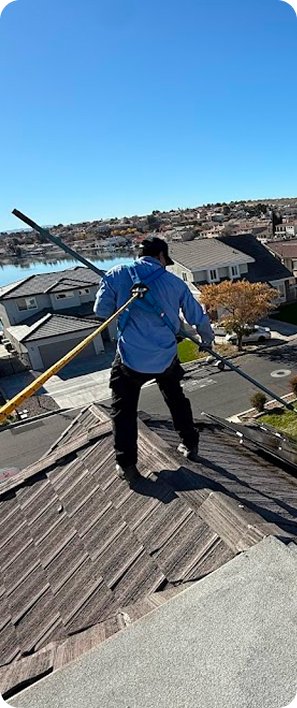
- Attics and wall spaces when they find a gap at the roofline
Signs a pack rat is nearby:
- A pile of sticks, cactus or debris in a sheltered corner
- Missing small objects, or strange items appearing in odd places
- Chewed wiring, hoses or insulation in a vehicle
- Droppings, often in one area near the nest
- Shredded fabric, cushions or mattress stuffing
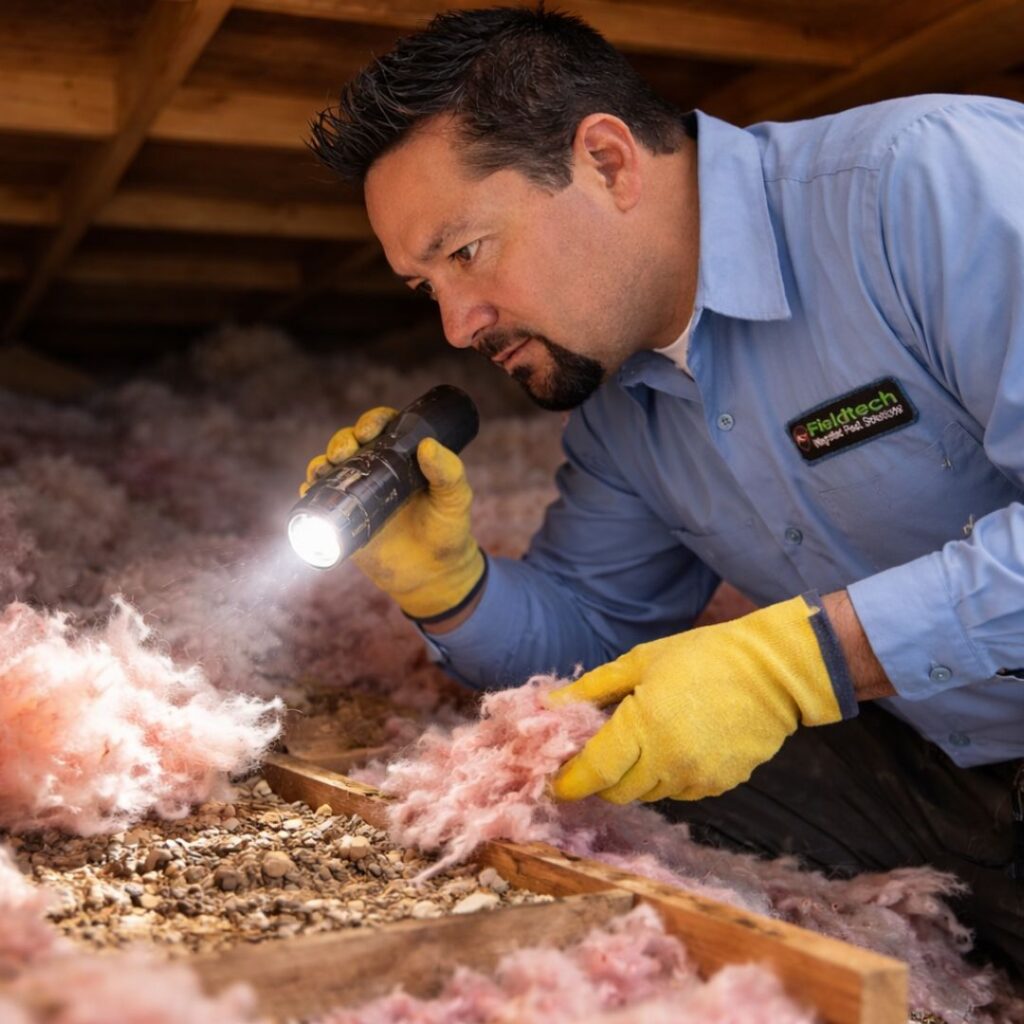
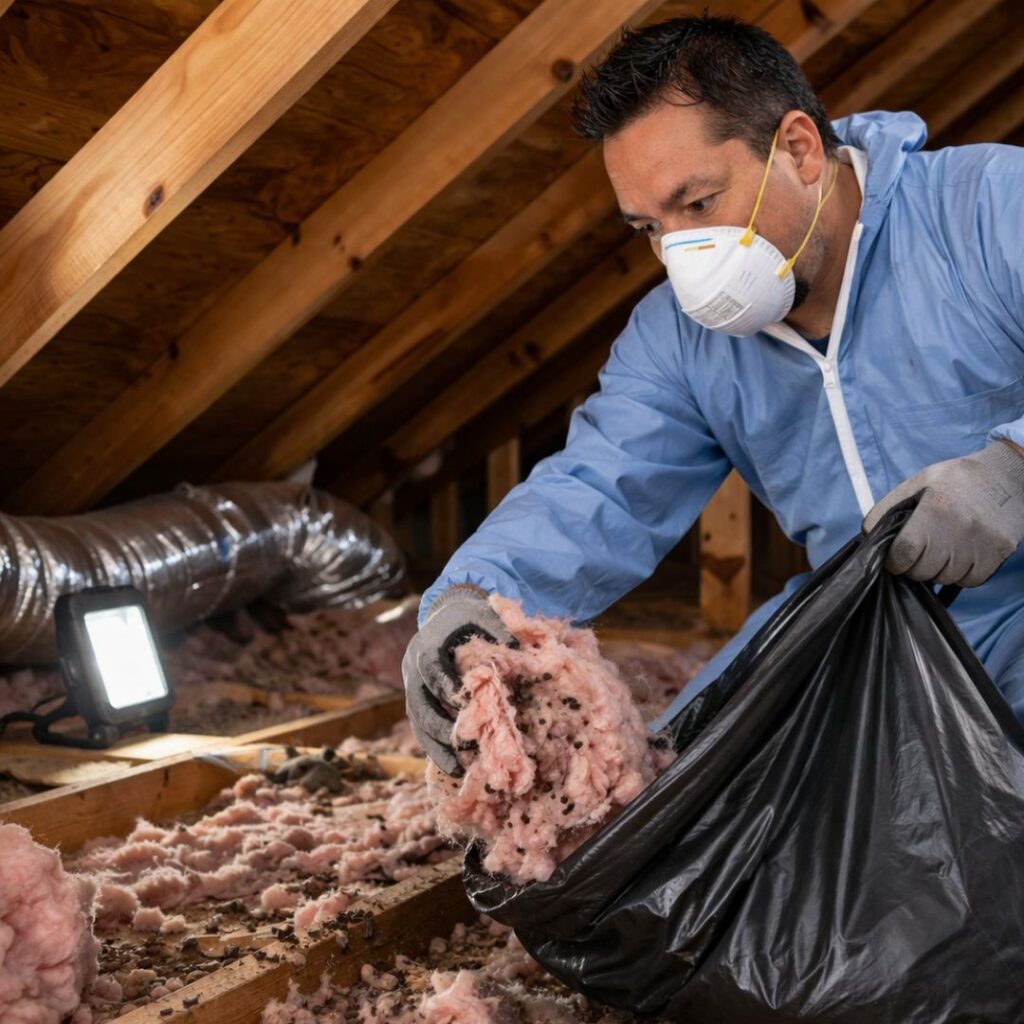
Be careful with nests. Pack rats can carry fleas and other parasites, and the wildlife damage handbook notes they can carry diseases, including plague where it occurs. Wear gloves, wet the material down before you move it, and never sweep it up dry. If a nest is in your attic or insulation, our attic sanitation and deodorizing service removes it safely.
How Do You Get Rid of a Pack Rat?
Because pack rats usually live alone, removing them is often faster than dealing with a roof rat colony. The key is to remove the animal, then take away the shelter and the gaps that drew it in, so the next one does not move into the same spot.
1. Find the nest and the entry point
Look for the stick pile first. Then check how the pack rat is getting in: gaps under garage doors, openings around pipes and vents, holes in shed walls, and gaps at the roofline. A pack rat can fit through an opening about 1/2 inch wide.
2. Trap it
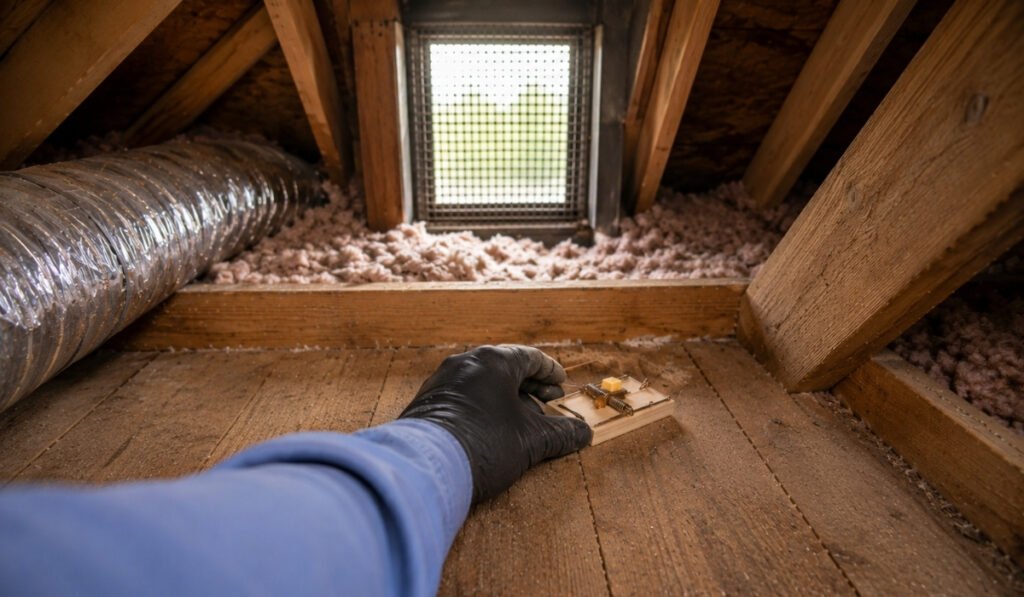
Standard rat-size snap traps work well, because pack rats are not especially wary of new objects. Good baits include peanut butter mixed with oats, nuts and dried fruit. Place traps along the routes leading to the nest, and check them every morning.
Keep traps out of reach of children, pets and other wildlife. Inside enclosed traps or covered areas is safest.
3. Remove the nest
Once the pack rat is gone, clear the nest wearing gloves and a mask, after wetting it down. Removing the nest takes away the scent and materials that attract the next pack rat.
4. Seal entry points
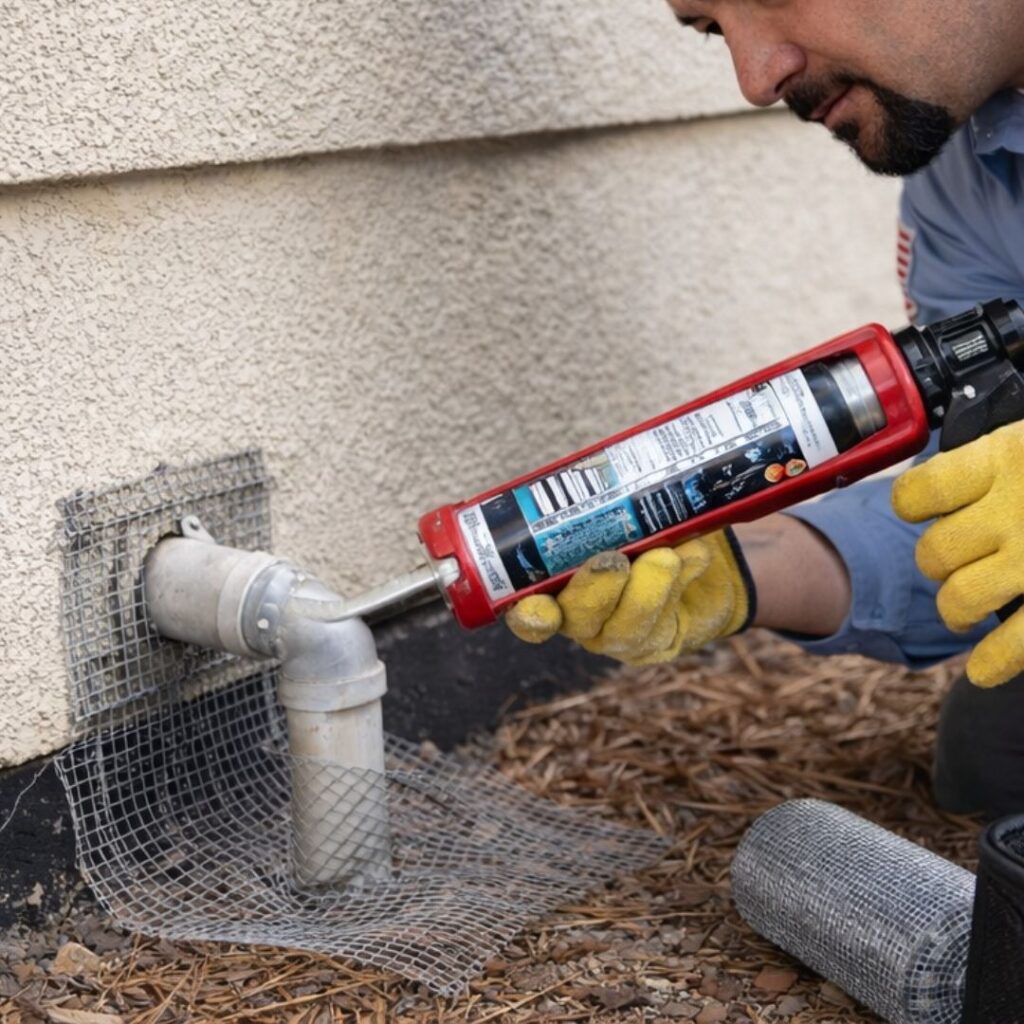
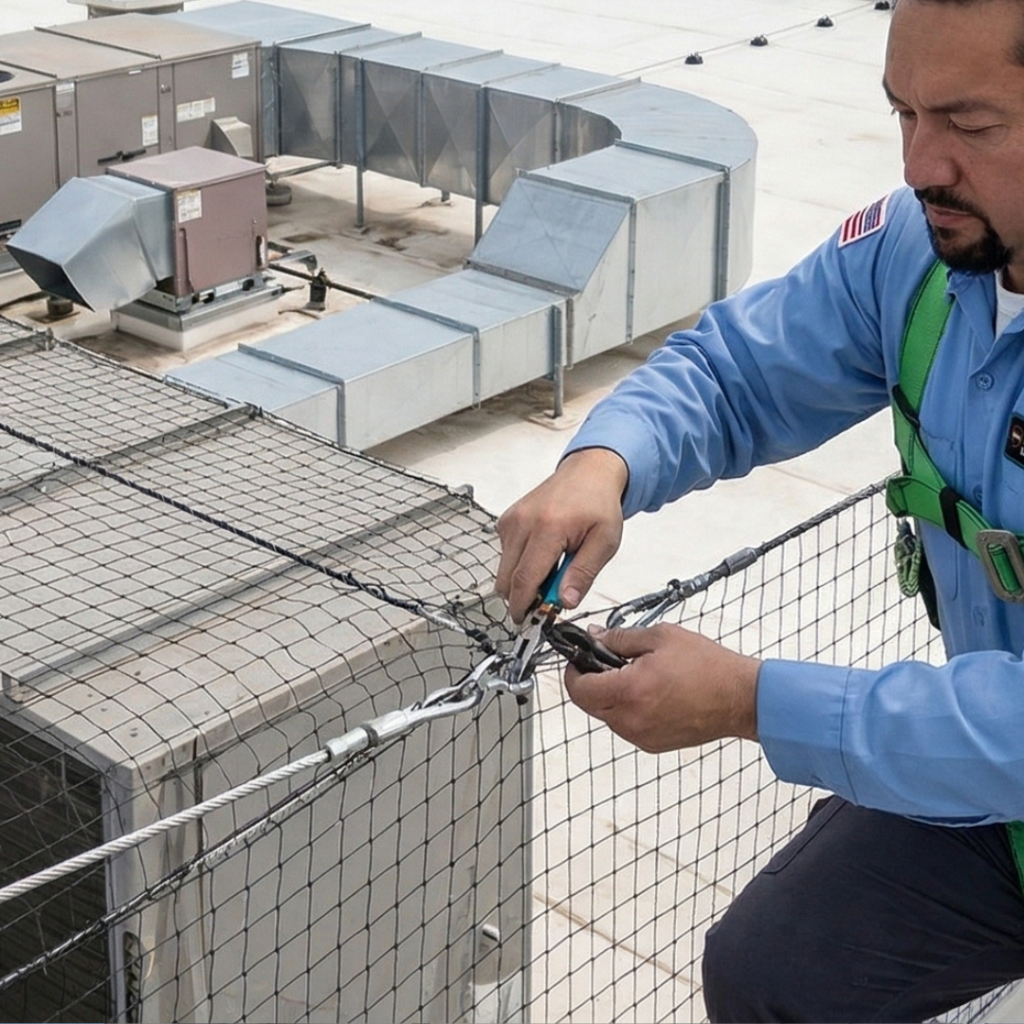
Seal any gap larger than about 1/2 inch with steel wool, hardware cloth, wire mesh or sheet metal. Close gaps around garage doors, crawl space vents, utility lines and the roofline. Our rodent proofing and entry point sealing service is built for this step.
5. Protect vehicles
If a vehicle sits for weeks at a time, start it and open the hood regularly, park it away from brush and wood piles, and keep the garage sealed. A pack rat that has nested in an engine once will often come back.
Pack Rat Control: Keeping Them Away
Pack rat control is mostly about making your property less attractive:
- Move wood piles, brush and debris away from the house, garage and sheds
- Clear clutter and stored cardboard from garages and sheds
- Trim plants and trees so they do not touch the roof
- Keep pet food, birdseed and animal feed in sealed metal containers
- Pick up fallen fruit and keep compost covered
- Check sheds, garages and parked vehicles regularly for new stick piles
Repellents are not a reliable fix. The wildlife damage handbook notes that no repellents are registered or considered effective for woodrats, so sealing and habitat cleanup do more than sprays or devices.
How Fieldtech Handles Pack Rats
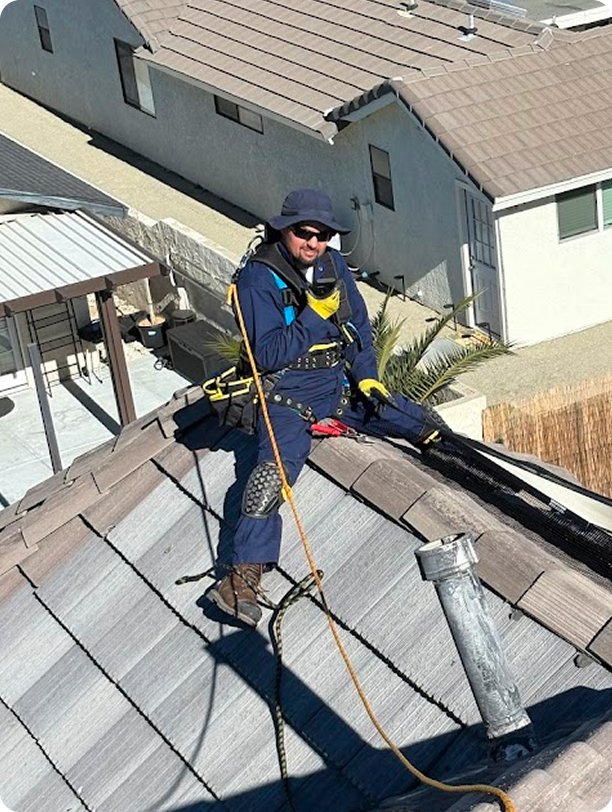
Nelson founded Fieldtech Integrated Pest Solutions in 2018 to solve pest problems at the source, not just treat the symptoms. For pack rats, that means finding where they nest, removing them, and closing the gaps that let them in.
Our approach includes:
- A free detailed inspection of your home, garage, sheds and surrounding yard
- Targeted trapping to remove the pack rat
- Exclusion work to seal entry points with materials rodents cannot chew through
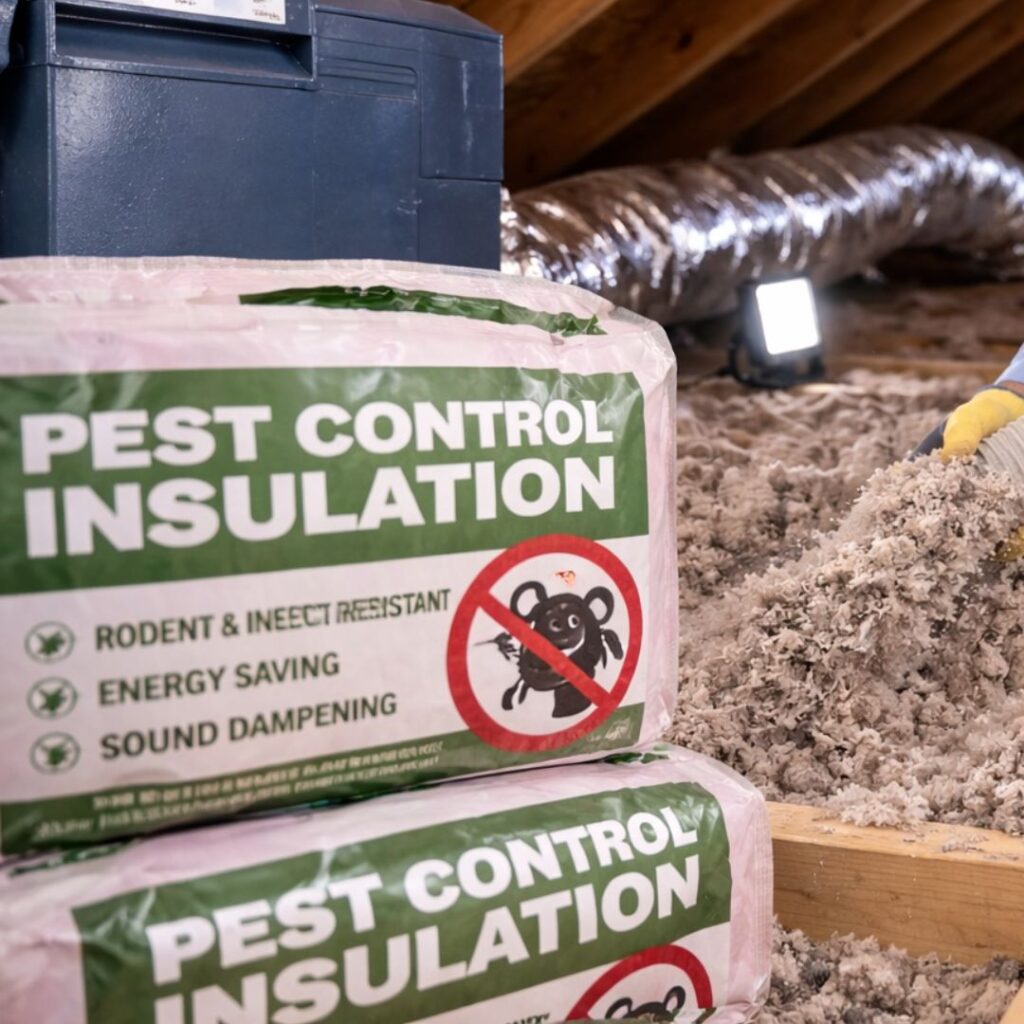
- Nest removal and cleanup, including attic sanitation where needed
We return calls within one hour, our solutions are guaranteed, and new customers get 5% off. Military members, seniors and first responders get 10% off. We serve homes across the High Desert and Inland Empire, including Apple Valley, Hesperia, Phelan and Lucerne Valley.
Found a stick nest in your garage or engine? Call Fieldtech at (800) 805-5758 to book a free inspection.
Frequently Asked Questions
Are pack rats dangerous?
Pack rats are not aggressive, but they can carry fleas, parasites and diseases, and their nests and droppings should be handled with care. The bigger risk for most homeowners is damage, especially chewed vehicle wiring.
Why do pack rats take shiny objects?
Pack rats collect small objects to add to their nests. They are known to swap whatever they are carrying for something more interesting, which is how keys, foil and jewelry end up in a nest.
Will a pack rat leave on its own?
Rarely. Once a pack rat has built a nest in a sheltered spot with food nearby, it has no reason to move. Even if it leaves, another pack rat may move into the same nest.
How do I keep pack rats out of my car?
Park away from brush and wood piles, keep the garage sealed, start the vehicle and open the hood regularly, and check the engine bay for sticks or debris. Remove any nest material as soon as you find it.
Is there more than one pack rat?
Usually not. Pack rats tend to live alone or as a mother with young. If you remove one and still see new activity, another pack rat has likely moved into the area.