
If you live in California and own a pet, you already know the feeling. Your dog starts scratching out of nowhere, you spot tiny dark specks on the couch, and suddenly you are dealing with a flea problem that seemed to appear overnight. The frustrating truth is that in California, flea season is not really a season at all. It is closer to a year-round reality. Unlike states that get hard freezes in winter, California’s mild climate means fleas can stay active, breed, and infest homes in virtually any month of the year.
This is not a small problem. According to the CDC, illnesses from mosquito, tick, and flea bites tripled in the U.S. between 2004 and 2016, with over 640,000 cases reported in that period. California consistently ranks among the highest-risk states in the country for flea-borne disease. The CDC notes that most cases of murine typhus in the United States are reported from California, Texas, and Hawaii. And a peer-reviewed flea activity model published in Parasites & Vectors confirms that warm southern regions like Southern California face the greatest year-round flea risk in the nation.
This guide breaks down exactly when flea season peaks in California, what makes our climate so flea-friendly, how Southern California compares to the rest of the state, and what you can do to protect your home and pets. If you are already dealing with an active infestation, the team at Fieldtech Integrated Pest Solutions provides expert insect control throughout the Inland Empire and surrounding areas.
What Season is Flea Season?
In most of the country, flea season follows a predictable arc. It starts in spring when temperatures climb above 45-50 degrees Fahrenheit, peaks through summer, and winds down once the cold sets in. Adult fleas struggle to survive below 45 degrees, and eggs freeze at 37 degrees. That natural temperature-based kill-off gives most states a genuine off-season.
California does not follow that pattern. Most of the state never gets cold enough, long enough, to meaningfully reduce flea populations. The result is a flea “season” that can run from January through December, with peaks rather than starts and stops.
Why California’s Climate Makes Flea Season Different
Fleas thrive in temperatures between 75 and 85 degrees Fahrenheit with humidity around 50-90 percent. Those conditions describe large parts of California for most of the year. Even in winter, California’s coastal and inland valley temperatures routinely stay in the 40s to 60s. Add in heated homes and you have a year-round incubator.
The flea life cycle also works against homeowners here. In ideal California conditions, a flea can complete its full life cycle from egg to adult in as little as two to three weeks. That rapid breeding means a small problem can become a full-blown infestation in less than a month.
What Months Are Flea Season in California?
While fleas can be active any month in California, activity is not uniform throughout the year. Here is how it typically breaks down:
- January to February: Flea activity slows slightly but does not stop. Indoor populations persist year-round, and outdoor fleas survive in protected spots like under decks, in dog kennels, and in shaded soil.
- March to April: Flea populations begin climbing as temperatures warm. This is when most pest professionals see the first wave of new infestations starting outdoors and spreading inside.
- May to August: Peak season. Warm temperatures and longer days accelerate the flea life cycle. Outdoor activity surges, pets pick up fleas easily, and indoor infestations can grow quickly.
- September to October: Still very active. Fall brings cooler nights but fleas continue breeding. Flea dirt and active adults remain common well into October across most of the state.
- November to December: Activity gradually decreases but does not disappear. Coastal and Southern California areas often see fleas remain active through the holiday months.
When Does Flea Season Start in California
Flea season in California typically picks up in March or April as daytime temperatures push above 65-70 degrees consistently. In Southern California and the Inland Empire, that warming can happen even earlier. By the time most homeowners notice a problem, flea populations have already been building for weeks.
When Does Flea Season End in California
For most of California, flea season does not truly end. Activity dips between November and February, but flea pupae can hide in carpets and furniture for months, emerging as adults when conditions improve. Even a mild winter warm spell can trigger a new wave. In heated homes across the state, the flea life cycle continues uninterrupted regardless of what is happening outside.
How Long is Flea Season?
In states with cold winters, flea season typically lasts four to six months, roughly April through September. In California, the active season runs closer to eight to ten months in cooler northern regions. In Southern California and coastal areas, it is effectively twelve months.
This is what makes California so challenging for pet owners and homeowners alike. There is no natural reset. Every year starts with whatever flea population survived the mild winter, and those numbers begin climbing again almost immediately.
Is Flea Season Bad This Year in Southern California?
The severity of any given year depends on winter rainfall and temperature patterns. Wetter winters tend to increase humidity and produce more wildlife activity, both of which contribute to higher flea populations. Mild winters with less hard frost mean more fleas survive to breed the following spring. In general, consecutive mild winters compound the problem significantly.
If you are noticing more flea activity than usual, year-over-year climate patterns are likely contributing. But regardless of the year, peak season in Southern California reliably runs from April through October, with activity in the months on either side of that window.
When is Flea Season in Southern California?
Southern California including the Inland Empire cities of Victorville, Hesperia, Apple Valley, Fontana, Rancho Cucamonga, Rialto, and Ontario faces some of the most persistent flea pressure in the state. The combination of warm temperatures, dry summers, and a large population of wildlife hosts like squirrels, rabbits, and coyotes keeps flea activity elevated year-round.
Desert-adjacent areas like Barstow, Adelanto, and Lucerne Valley experience extreme summer heat that can temporarily suppress outdoor flea activity, but indoor environments remain hospitable. Mountainous areas like Big Bear and Lake Arrowhead see more seasonal variation, with flea activity dropping more noticeably in winter. If you are dealing with fleas anywhere in the Inland Empire, Fieldtech serves the full range of service areas across the region and can help assess your specific situation.
What Time of Year is Flea Season at Its Worst?
The peak window for fleas in Southern California is June through September. Temperatures are consistently warm, humidity from coastal marine layers is present, and pets spending time outdoors face maximum exposure. Flea populations that have been building since March reach their highest numbers during this window.
If you are going to prioritize one time of year for professional flea prevention and treatment, the window just before this peak, late March through May, is when proactive intervention makes the biggest difference.
When is Flea and Tick Season in California?
Fleas and ticks are often lumped together, and for good reason. Both are parasitic, both peak in warmer months, and both can transmit serious diseases. But they behave differently enough that it is worth understanding the distinction when planning your pest prevention strategy.
What is Flea Season vs. Tick Season: Key Differences
- Fleas: Active nearly year-round in California. Prefer humid, shaded environments. Breed rapidly indoors. Primarily brought into homes by pets and wildlife.
- Ticks: More seasonal, typically active from March through October in California. Prefer grassy and wooded outdoor environments. Do not breed indoors. Brought in primarily through outdoor activity in vegetation.
- Disease risk: California sees significant rates of both flea-borne murine typhus and tick-borne diseases including Lyme disease. The San Diego County Vector Control Program actively monitors flea populations in mountain areas for plague.
- Prevention overlap: Many veterinary flea treatments also cover ticks, but they address different exposure routes. Indoor flea control and outdoor tick control require different approaches.
What is Flea Season in California: A Year-Round Threat
Understanding the flea life cycle is the key to understanding why California is so difficult. Fleas pass through four stages: egg, larva, pupa, and adult. The pupal stage is the most resilient. Pupae can remain dormant inside their protective cocoon for months, waiting for warmth, vibration, or carbon dioxide to signal a host is nearby.
Most people only see adult fleas, which represent as little as five percent of the total flea population in a home. The other 95 percent are hidden in carpets, furniture, pet bedding, and outdoor soil as eggs, larvae, and pupae. You can treat all the adult fleas you see and still have a major infestation emerge weeks later from the dormant stages.
This is why professional treatment that targets multiple life cycle stages, combined with environmental control and pet protection, is far more effective than spot treatments alone.
When is Flea Season Over in California?
The honest answer is that flea season in California rarely ends completely. What you get is a reduction in activity during the cooler winter months, not an off switch. In Southern California, that reduction is even less pronounced than in the north.
Many California pet owners make the mistake of stopping flea prevention in fall, assuming the problem has resolved itself. Within weeks, dormant pupae hatch and adult fleas emerge, often triggering a winter infestation that is harder to treat because windows stay closed and vacuuming may be less frequent.
Year-round prevention is the standard recommendation for any California household with pets. Once a population is established indoors, it takes significant effort to eliminate it, typically eight to twelve weeks of consistent treatment.
How to Protect Your Home Before and During Flea Season
Effective flea control in California requires action on three fronts simultaneously: your pets, your home interior, and your yard.
On your pets:
- Use veterinarian-recommended monthly flea prevention products year-round, not just in summer.
- Groom pets regularly and check for flea dirt, which looks like tiny black pepper specks on the skin.
- After outdoor activity in grassy or wooded areas, check pets before they come inside.
In your home:
- Vacuum carpets, upholstery, and baseboards at least every other day during active infestation. Dispose of the vacuum bag in a sealed plastic bag immediately.
- Wash all pet bedding in hot water weekly.
- Pay extra attention to areas where pets rest, under furniture, along walls, and in low-traffic corners where flea larvae prefer to develop.
In your yard:
- Keep grass trimmed short and remove debris piles where fleas and wildlife shelter.
- Treat kennel areas, under decks, and shaded spots where pets rest.
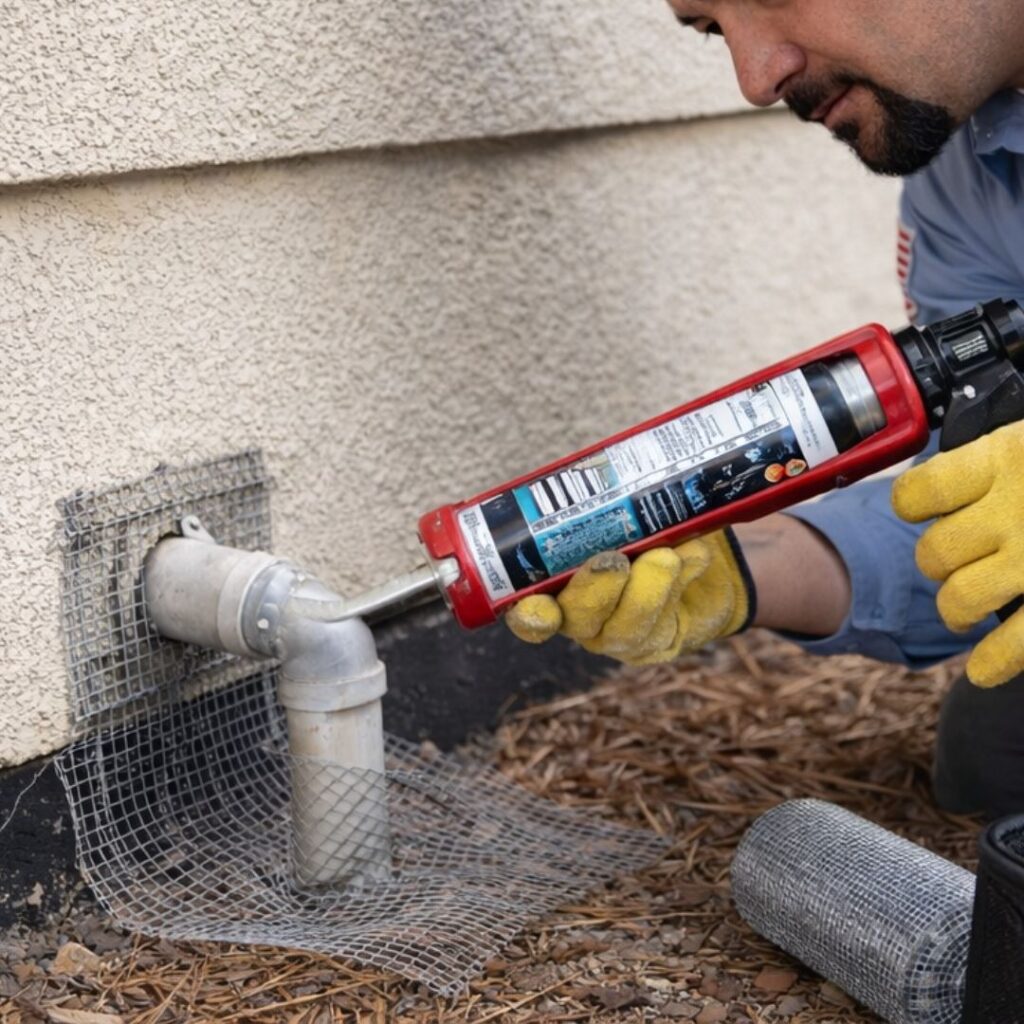
- Address any wildlife access points that may be introducing fleas from squirrels, rabbits, or other animals.
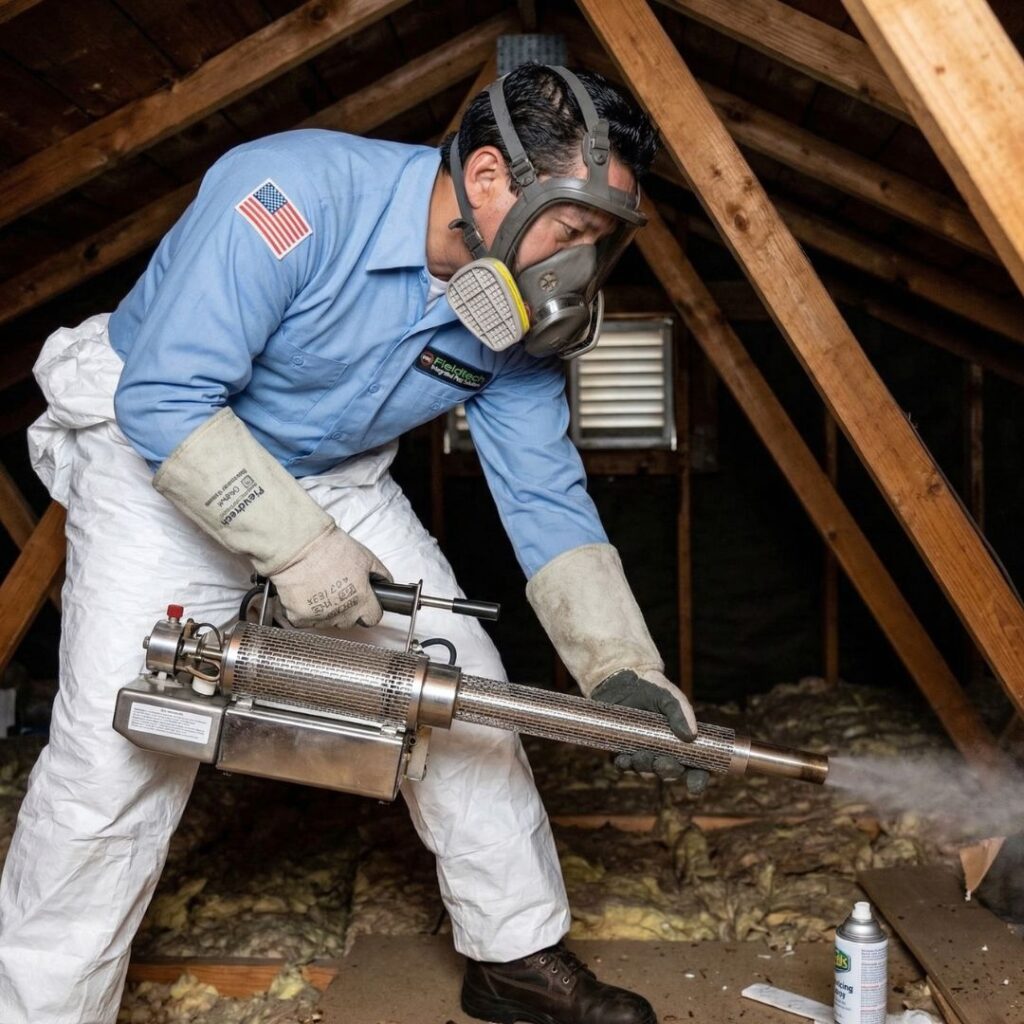
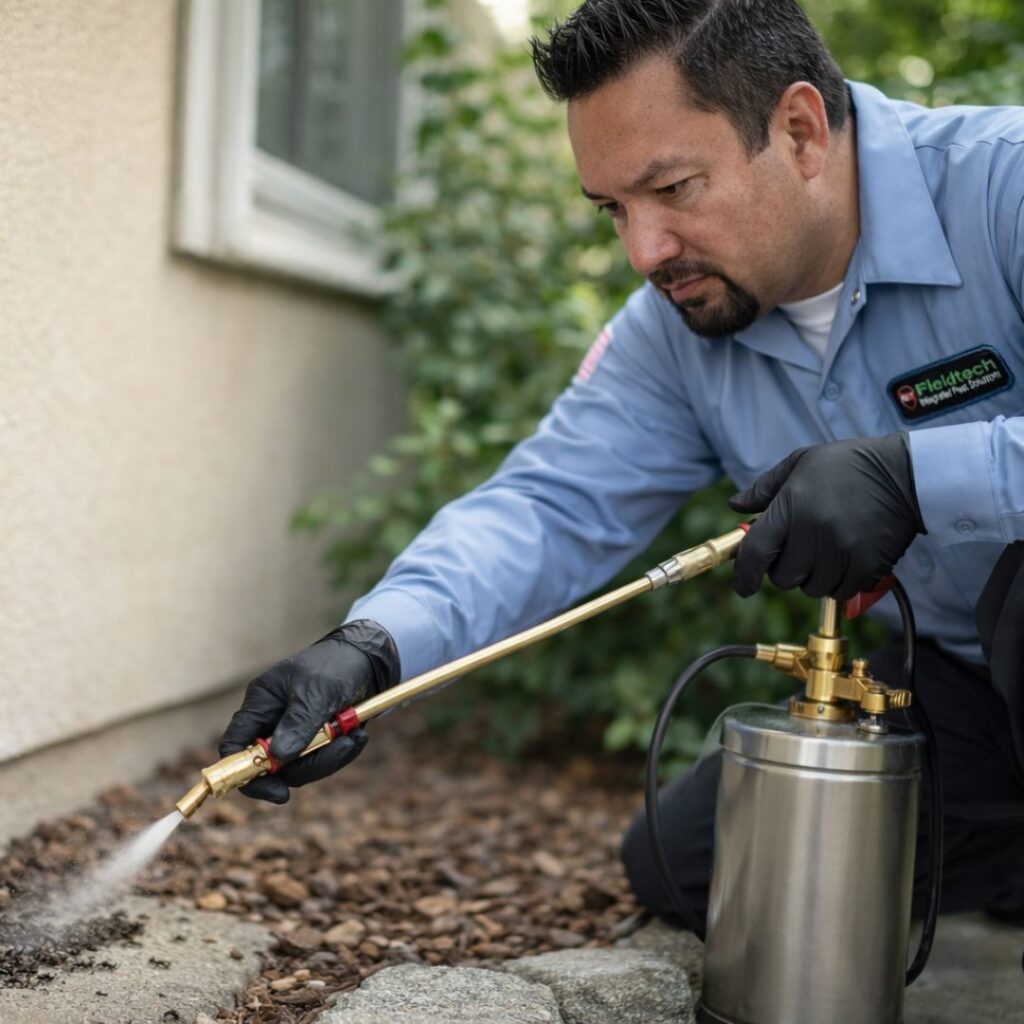
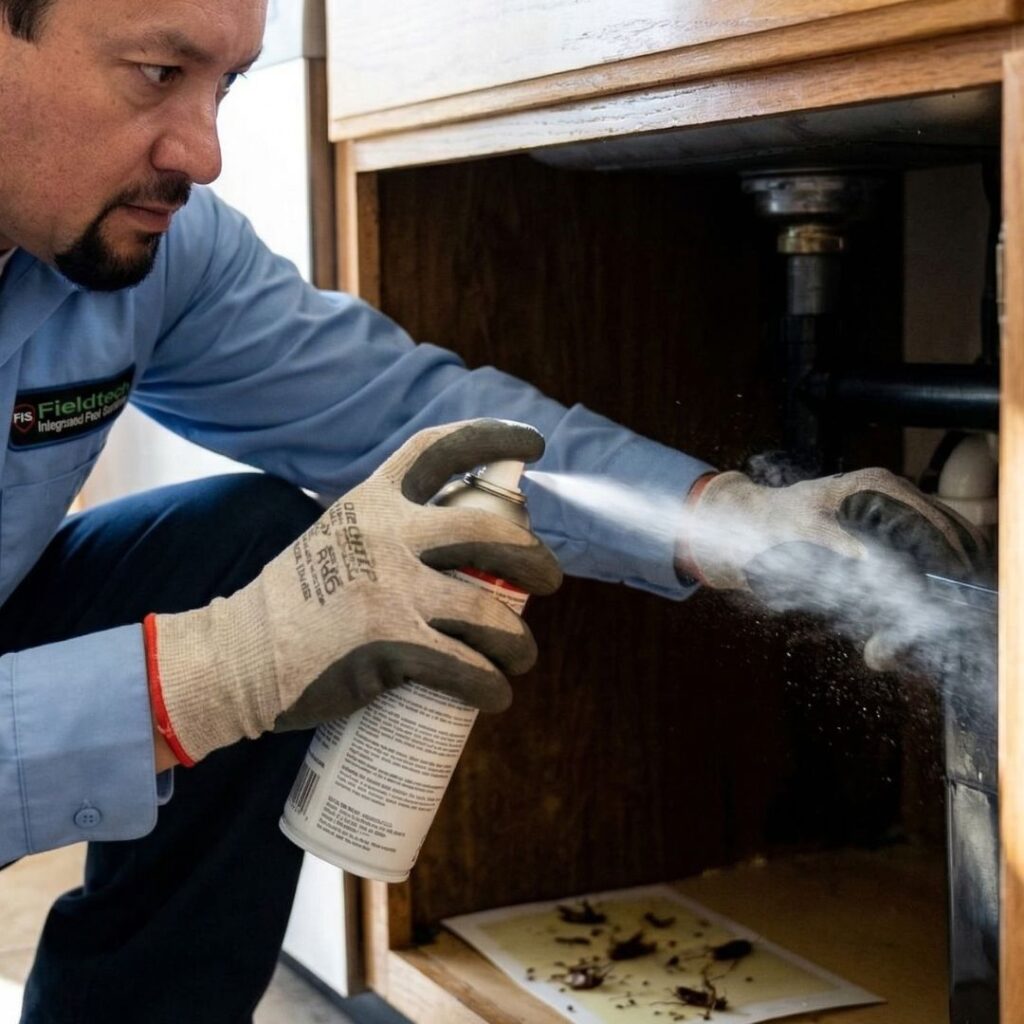
When over-the-counter products are not cutting it, or when the infestation has spread throughout the home, professional treatment is the most reliable path forward. Fieldtech’s insect control services address flea infestations at all life cycle stages, not just the adults you can see. With over 15 years of experience and a 4.9-star Google rating, the team provides free detailed inspections and guaranteed results for Inland Empire homeowners.
Flea season in California is less of a calendar event and more of a permanent condition. The state’s mild climate keeps fleas viable year-round, with the most intense pressure falling between April and October. In Southern California, including the Inland Empire, that window can stretch even further.
The homeowners who stay ahead of fleas are the ones treating prevention as a year-round routine rather than a seasonal reaction. Start earlier than you think you need to, stay consistent, and do not assume a quiet winter means the problem is gone.
If you are already dealing with fleas or want to get ahead of the season before it peaks, contact Fieldtech Integrated Pest Solutions for a free inspection and a plan that actually works. New customers receive a 5% discount, and military, senior, and first responder discounts are also available.
Yes. California’s mild winters do not get cold enough long enough to kill flea populations. Indoor environments are especially hospitable year-round. Year-round prevention is the recommended approach for California pet owners.
The short answer: do not stop. If you are starting from scratch, begin no later than March, before the spring flea surge. In Southern California, starting in February is even better. Maintain prevention through the full year to avoid a winter infestation from dormant pupae.
Generally, yes. Southern California’s warmer temperatures mean fleas stay active longer and the dip in winter activity is less pronounced. Northern California areas with colder winters see more meaningful seasonal reduction, though still not a true off-season.
Yes. Wildlife including squirrels, rabbits, opossums, and rats can bring fleas into yards and even inside homes. If you are moving into a home that previously had pets, dormant flea pupae in carpets and flooring can hatch weeks or months after you move in, often triggered by vibration and warmth.
If over-the-counter treatments have not resolved the problem after two to three weeks, or if you are seeing fleas in multiple rooms, it is time to call in help. Fieldtech Integrated Pest Solutions offers free detailed inspections and guaranteed flea control throughout the Inland Empire. Call for a 1-hour callback.