Rodents are far more than a seasonal nuisance. According to the CDC, rats and mice can spread over 35 diseases to people through their droppings, urine, saliva, and the fleas and ticks they carry. The trouble is that the most common solution, rodenticide bait, creates new risks of its own. The EPA warns that the strongest rat poisons pose the greatest danger to non-target wildlife, because hawks, owls, and family pets are often poisoned after eating a rodent that already ate the bait.
That is the exact tension organic rodent control is built to solve. At Fieldtech Integrated Pest Solutions, we have spent more than 15 years protecting High Desert homes from rodents, and we have learned that the cleanest, longest-lasting results rarely start with poison. Whether you are dealing with rats in the attic or need focused mice control, organic rodent control is a layered, prevention-first approach that removes what rodents want, blocks the gaps they slip through, and uses naturally derived deterrents to keep them out for good.
Below, we break down what organic pest control really means for rodents, the methods and products that hold up in the real world, and the point where a problem is big enough to call in a professional.
What Organic Pest Control Means for Rodents
Organic pest control is often misunderstood as simply spraying a plant-based product instead of a chemical one. In practice it is a broader philosophy. Rather than relying on synthetic poisons to kill pests after they arrive, organic pest control focuses on prevention, sanitation, physical exclusion, and naturally derived deterrents that discourage rodents in the first place.
For rodents specifically, that means making your home unattractive and inaccessible: cutting off food and water, sealing entry points, and using botanical repellents where they help. It draws heavily on a strategy professionals call Integrated Pest Management, which treats poison as a last resort rather than a first reflex.
The payoff is a home that stays rodent-free without routine exposure to toxic bait, which matters most in households with children, pets, or nearby wildlife. If you want a fuller picture of how a structured program works, our rodent control services are built on these same principles.
The Problem With Conventional Rodent Poisons
It helps to understand why poison-first approaches fall short before committing to an organic plan.
They do not prevent anything. Poisons only work after mice and rats are already inside, which means the infestation, and the contamination, has already begun.
They put wildlife and pets at risk. Poisoned rodents do not die instantly. They wander for days, and during that window they are easy prey for owls, hawks, foxes, cats, and dogs, all of which can absorb the poison secondhand. This is the secondary poisoning the EPA has worked to restrict.
Rodents adapt. Many populations have developed resistance to older anticoagulant poisons, which pushes the industry toward stronger and more dangerous formulas over time.
They create a cleanup problem anyway. A poisoned rodent often dies inside a wall or attic, leaving an odor issue and a sanitation hazard that still has to be dealt with.
Organic Pest Control Methods That Actually Work
The most effective organic pest control methods work together as a system. No single step does all the work, but layered correctly they outperform poison over the long run.
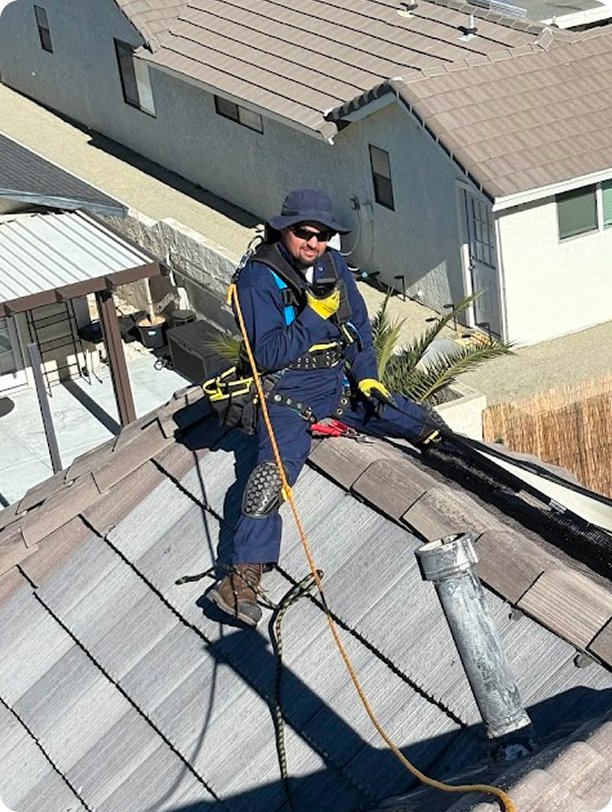
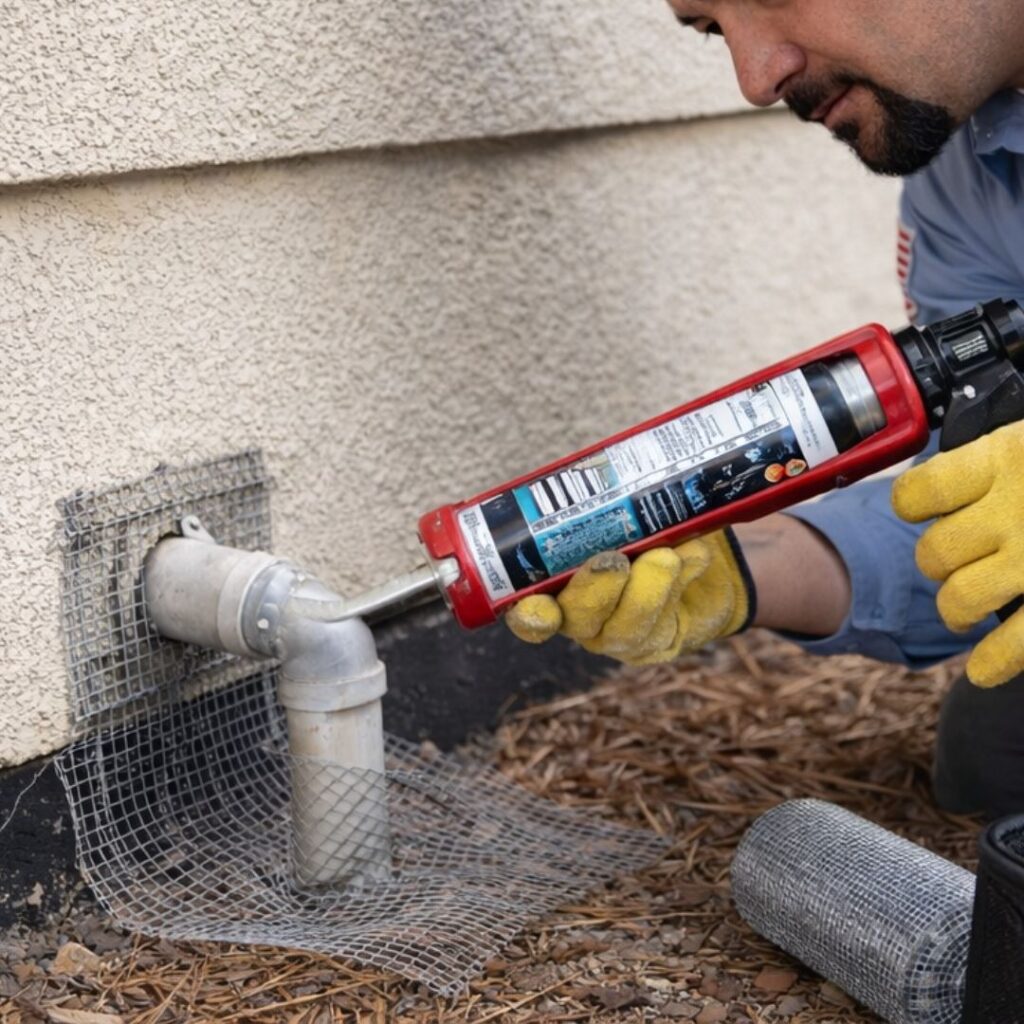
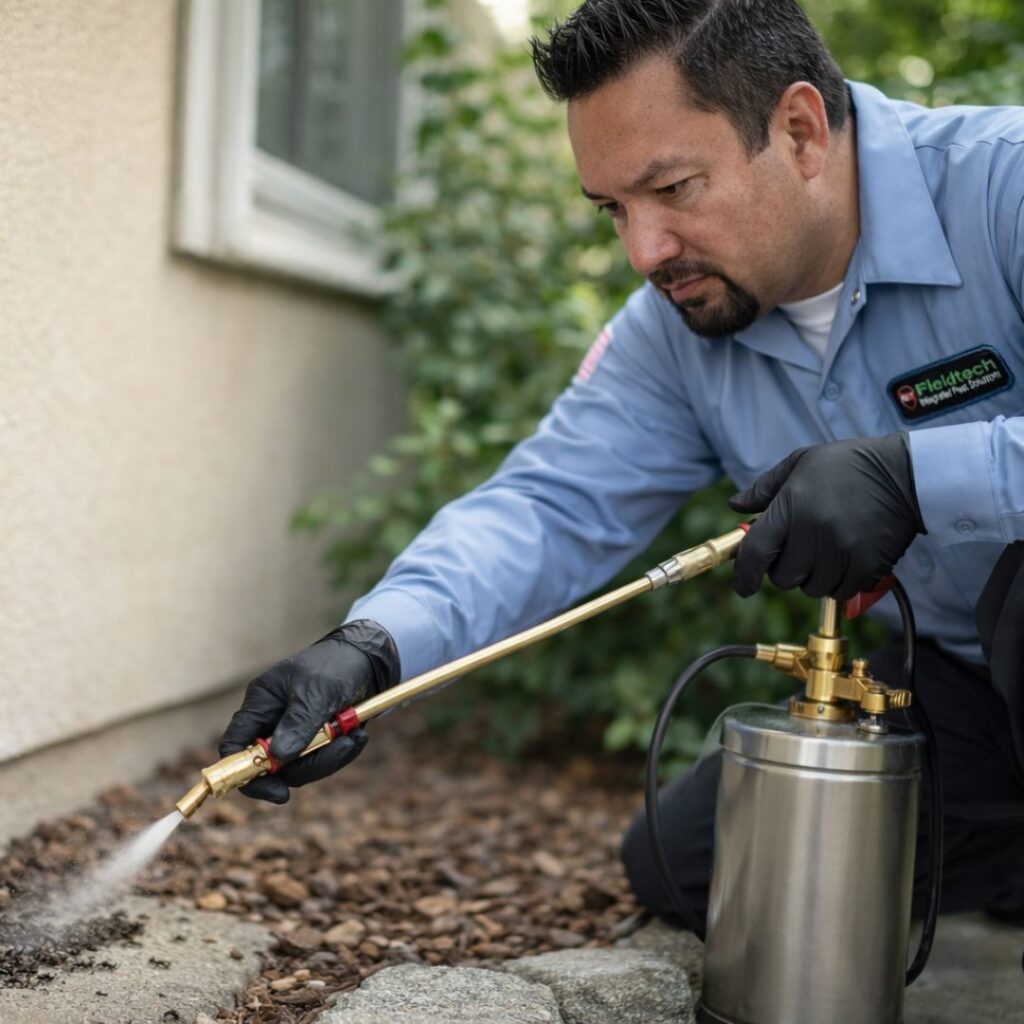
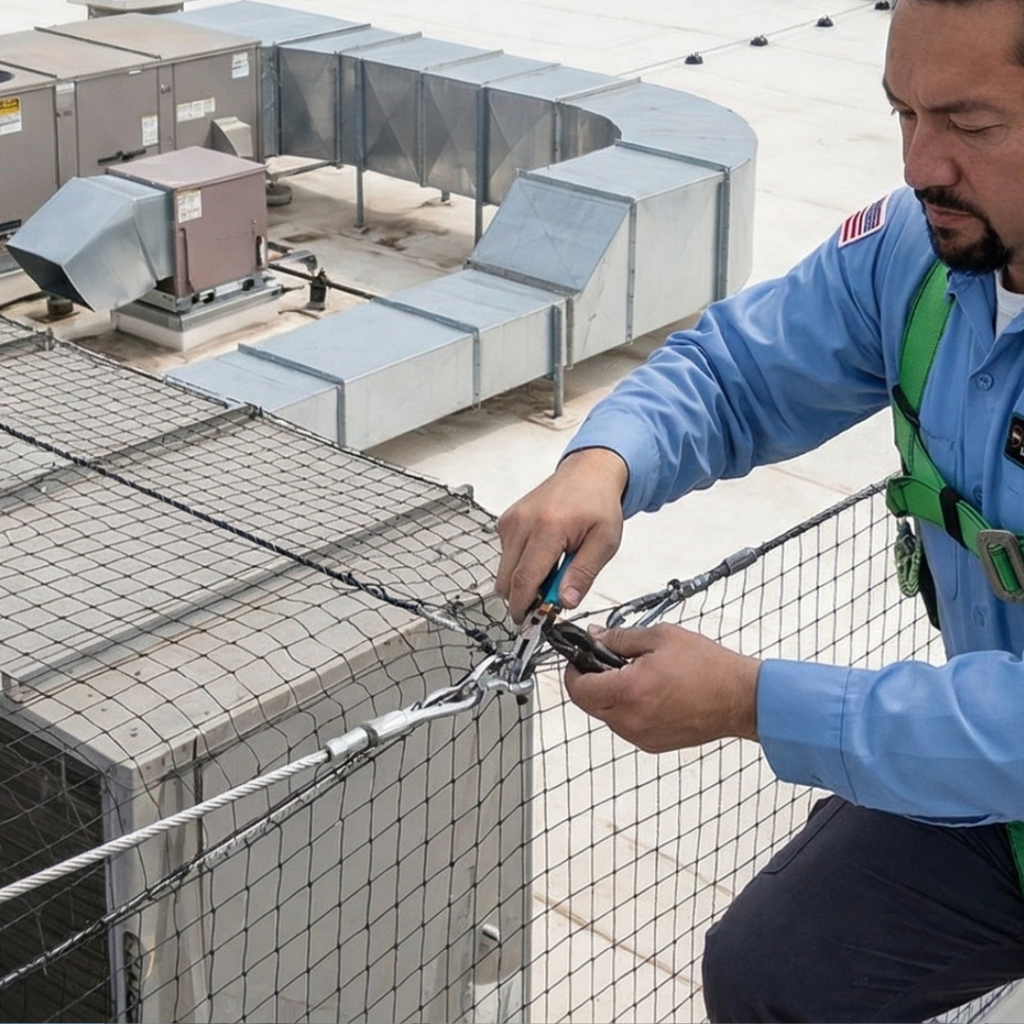
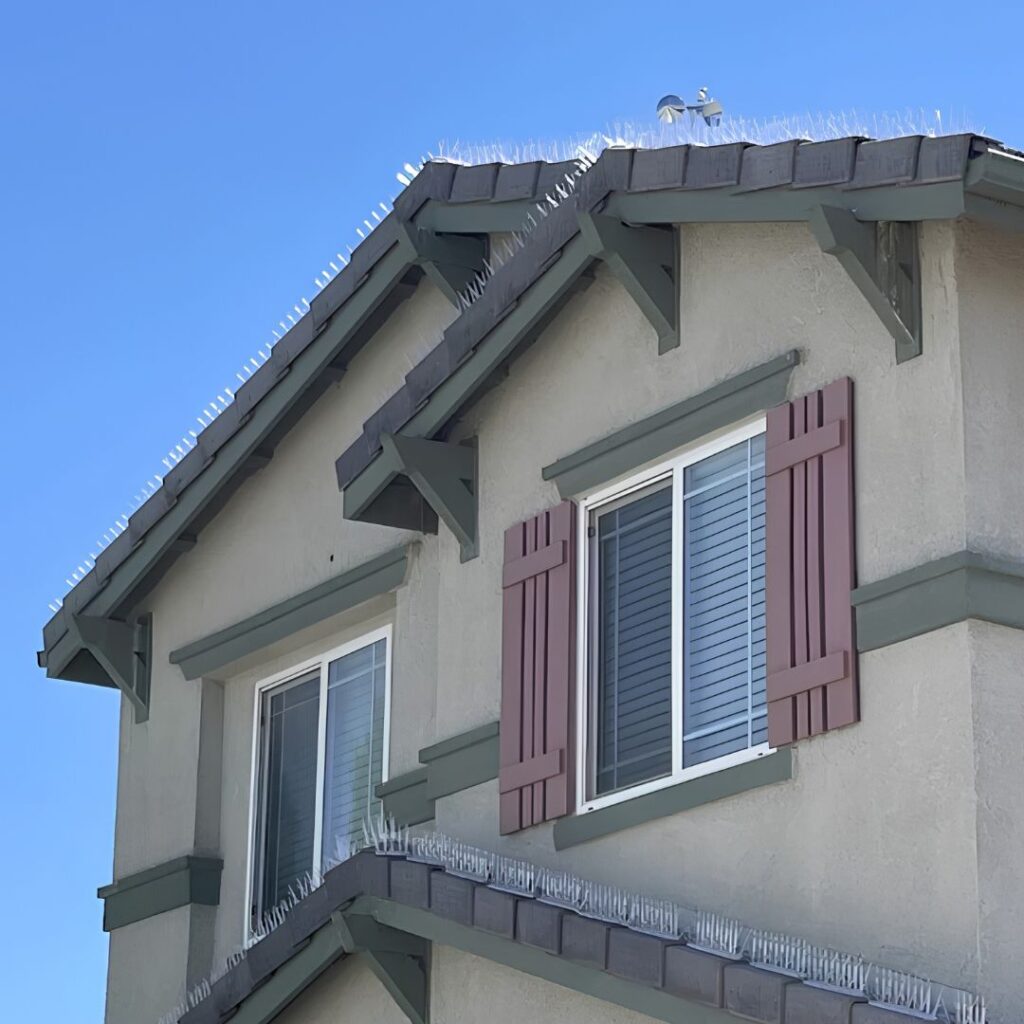
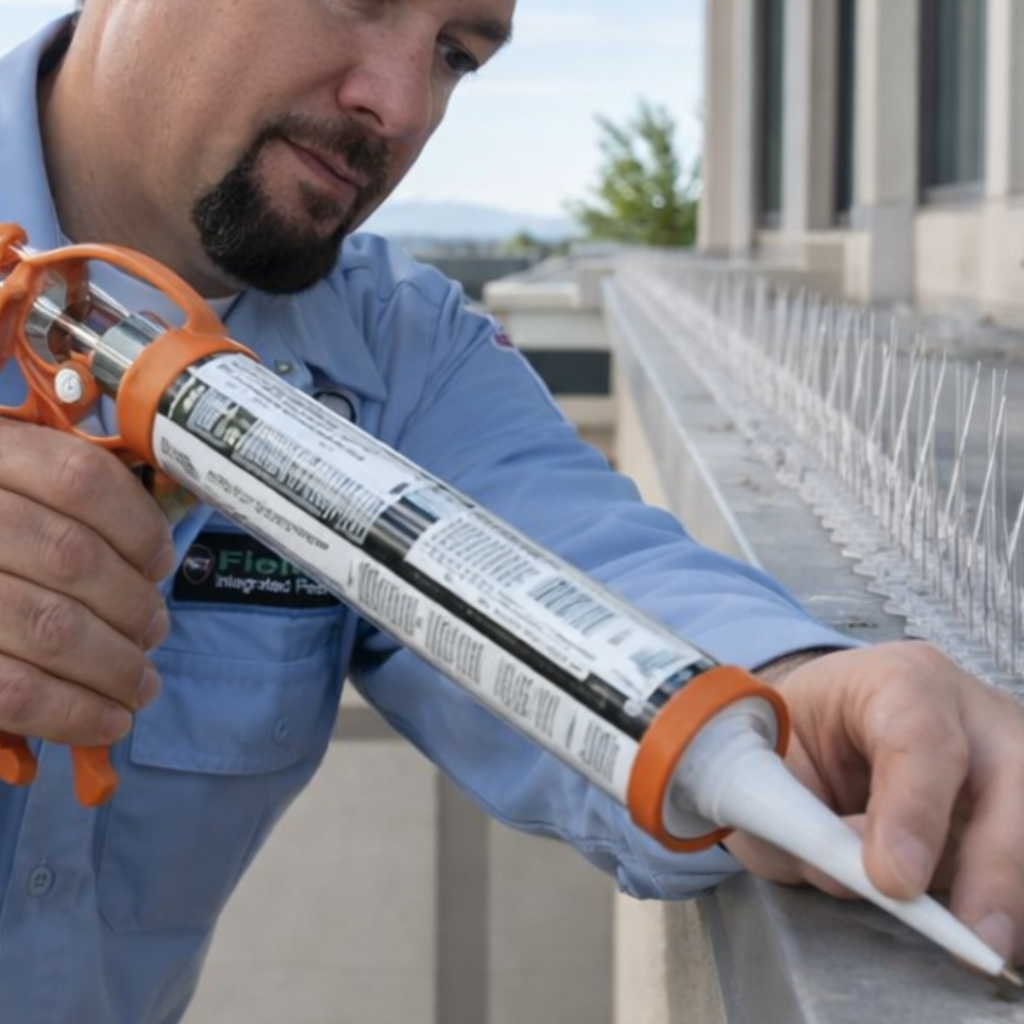
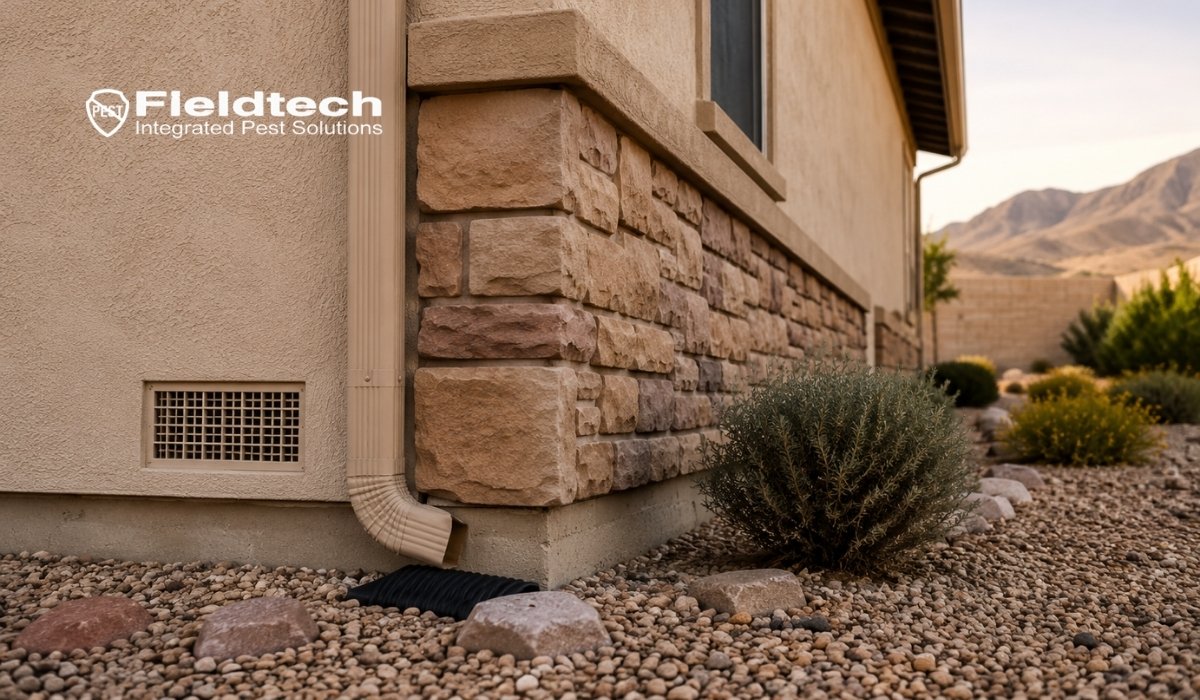
Exclusion. This is the foundation. Rats can squeeze through a hole the size of a quarter and mice through one the size of a dime, so sealing gaps around pipes, vents, foundations, and rooflines is the single highest-impact step you can take. Our rodent proofing and entry point sealing work targets exactly these vulnerabilities.
Sanitation. Rodents stay where there is food and shelter. Store dry goods and pet food in sealed metal or glass containers, keep trash lids tight, clear yard debris and woodpiles away from the structure, and fix leaks that give them water.
Habitat removal. Trim back vegetation touching the home, since branches and dense shrubs act as highways and hiding spots.
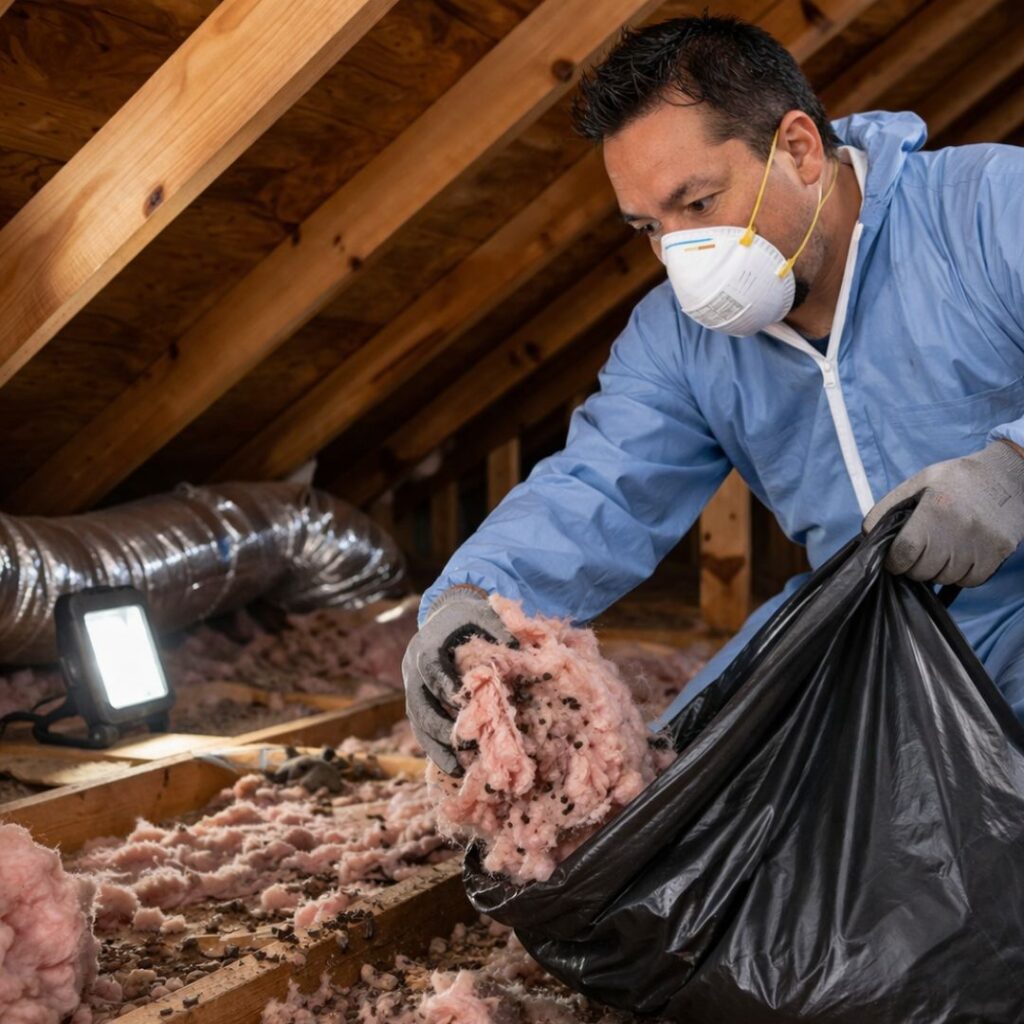
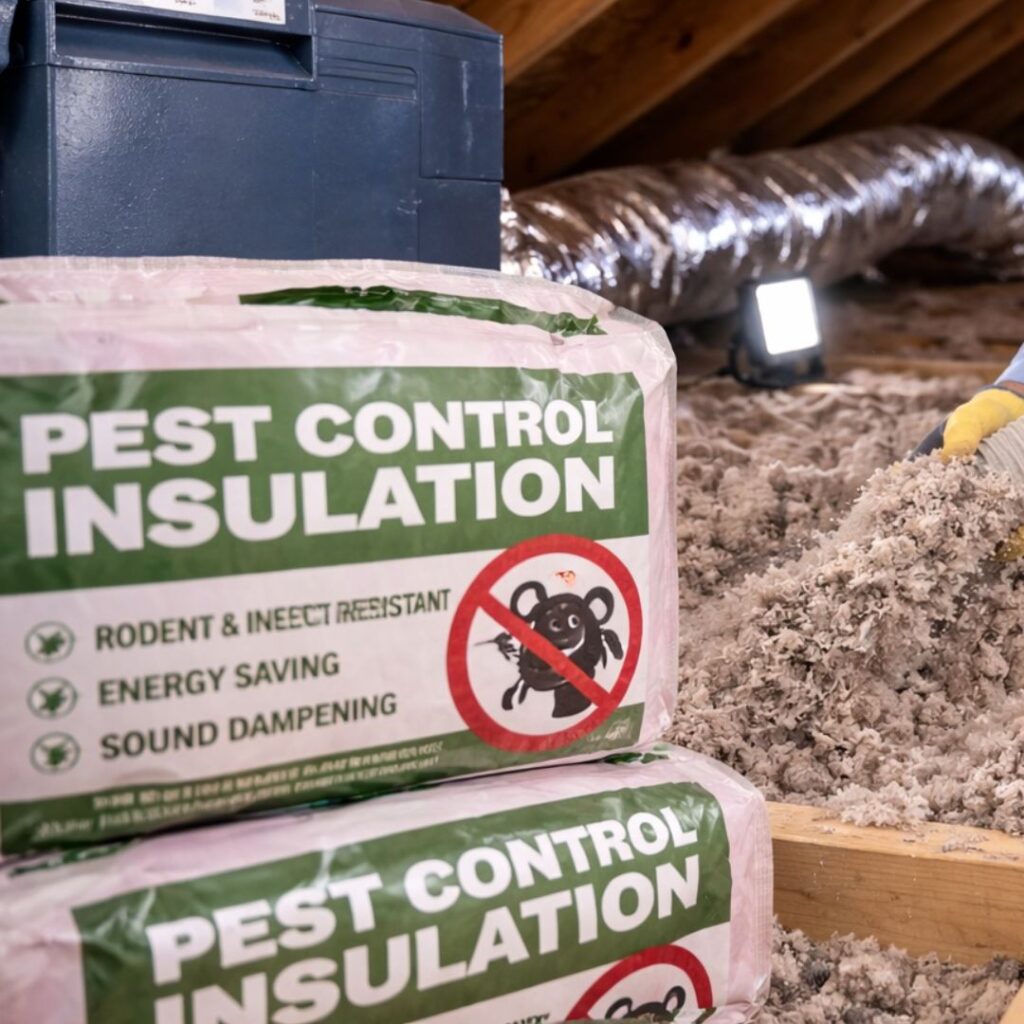
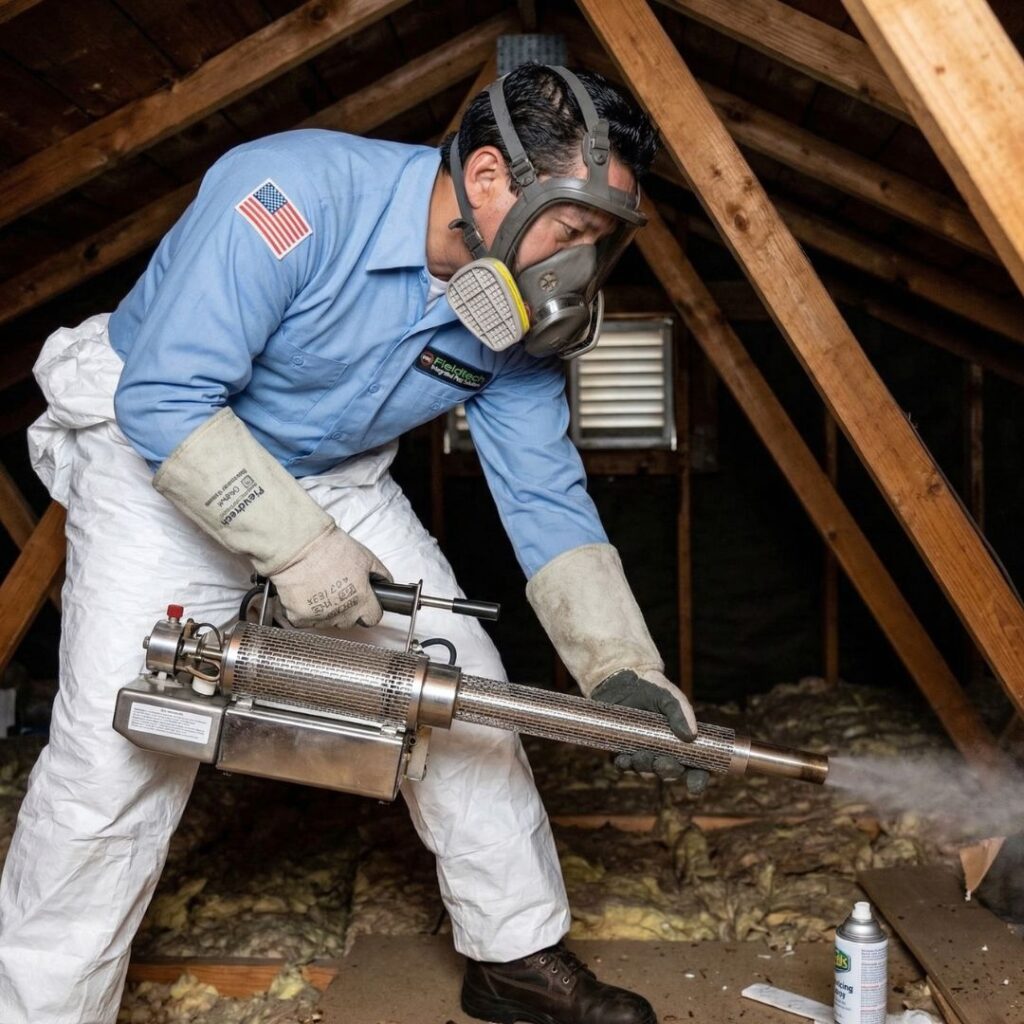
Cleanup and decontamination. If rodents have already nested, contaminated insulation and droppings need proper removal, not just trapping. Our attic sanitation and deodorizing service handles the mess rodents leave behind so the space stops attracting more.
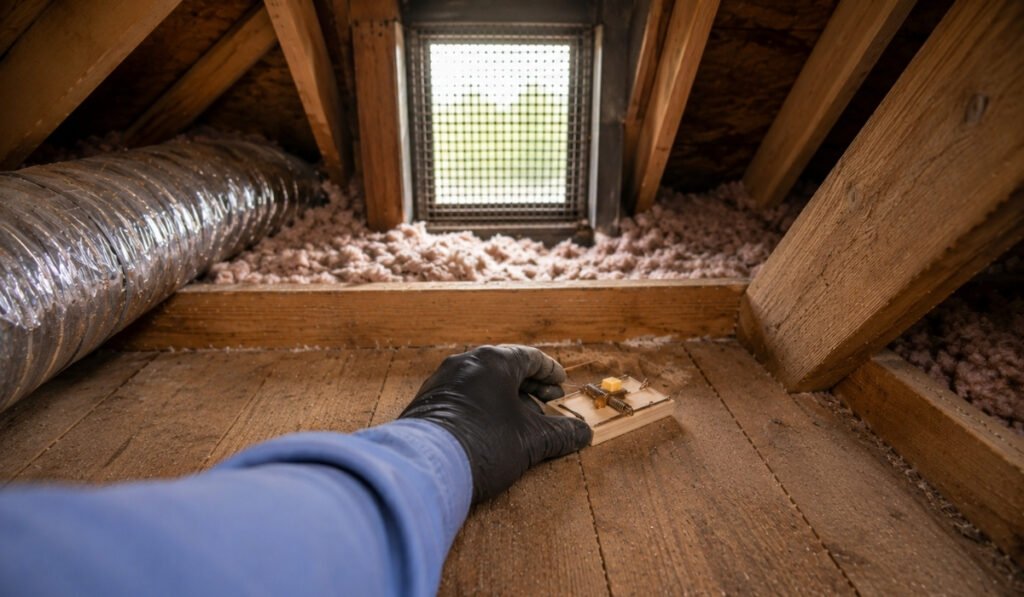
Trapping. Snap traps remain one of the most humane and chemical-free tools available when an active rodent needs to be removed.
The Best Organic Pest Control Products for Rodents
When it comes to organic pest control products, the goal is to repel and deter rather than poison. Several naturally derived options are widely used:
- Peppermint oil: one of the most popular natural rodent deterrents. Rodents dislike the strong scent, and cotton balls or sprays refreshed regularly can help discourage them around entry points.
- Botanical repellent granules and sprays: products built around plant oils such as peppermint, cedar, and clove are sold specifically to drive rodents away from foundations and garages without harming children or pets.
- Cedar: cedar shavings and oil carry a scent many rodents avoid, and they double as a natural moth deterrent.
- Predator-scent deterrents: some homeowners use products that mimic predator scent to signal danger and keep rodents moving along.
A realistic note: repellents are a supporting tool, not a standalone cure. They work best layered on top of solid exclusion and sanitation. A repellent alone will not solve an active infestation, but it can help keep a sealed, clean home from becoming a target again.
Signs You Already Have a Rodent Problem
Catching rodents early keeps an organic approach simple. Watch for these common signs:
- Droppings: small, dark, capsule-shaped pellets near food, in cabinets, or along walls.
- Gnaw marks on wood, wiring, packaging, or baseboards.
- Scratching or scurrying sounds in walls or ceilings, especially at night.
- Nests made of shredded paper, fabric, or insulation in quiet, dark spaces.
- A persistent musky odor, which often signals an established population.
If you are noticing several of these at once, the problem has likely moved beyond what repellents alone can fix.
When Organic Rodent Control Needs a Professional Touch
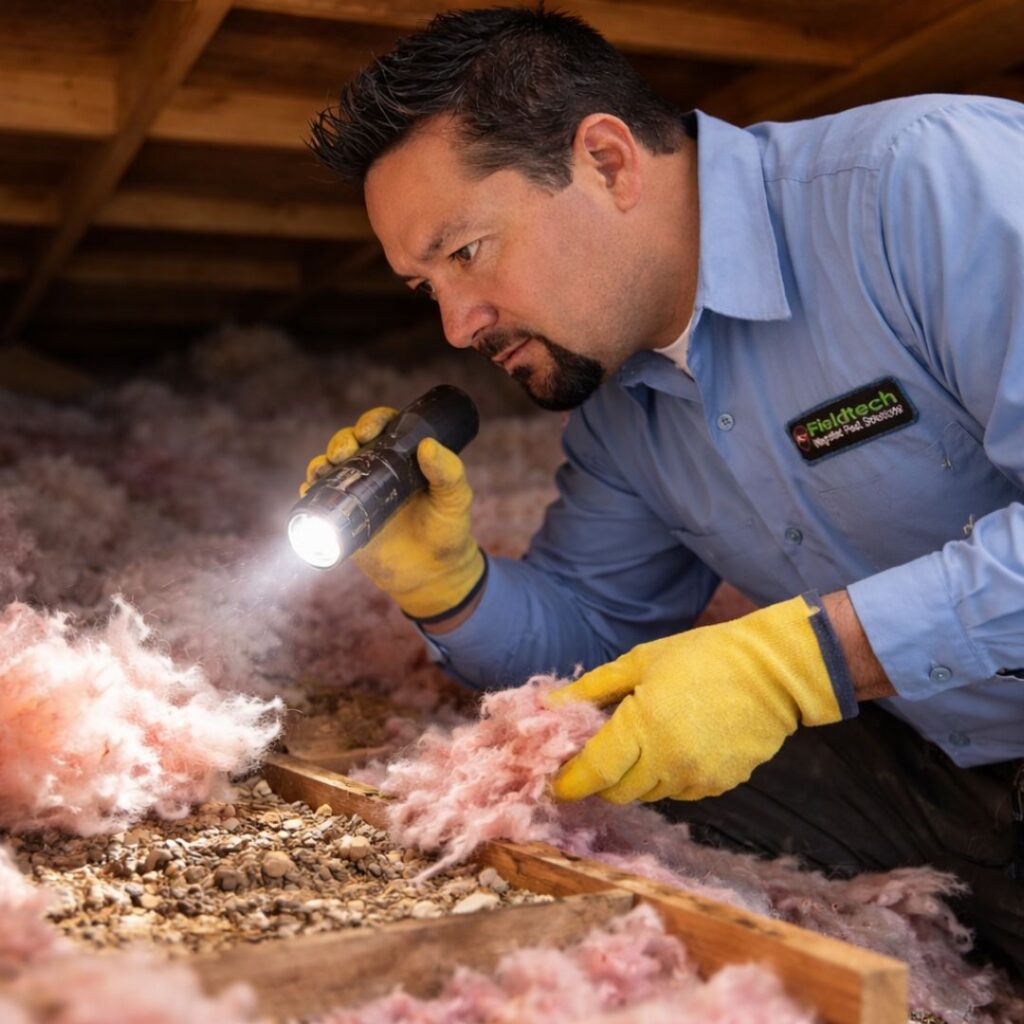
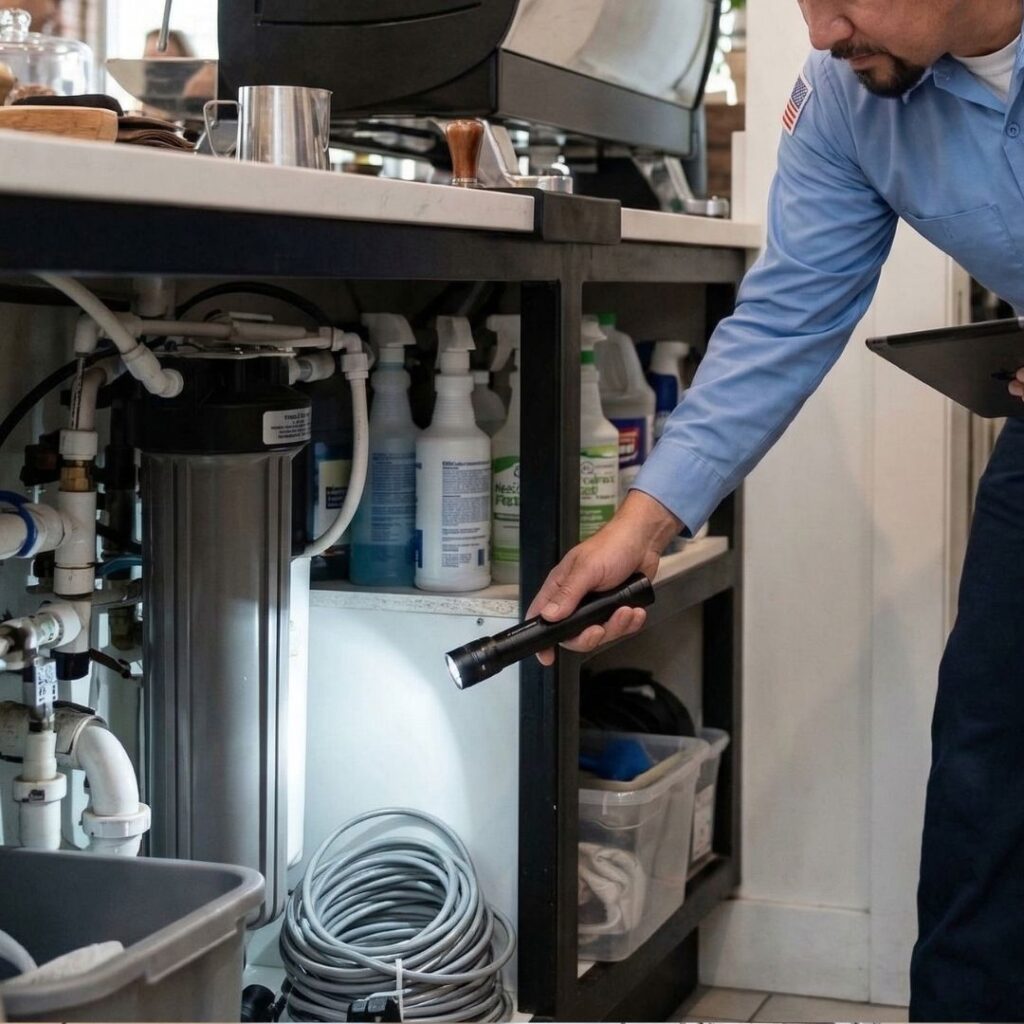
Do-it-yourself prevention handles a lot, but some situations call for a trained eye. A heavy infestation, rodents inside wall voids or attics, contaminated insulation, or repeated returns despite your best efforts are all signs it is time for help.
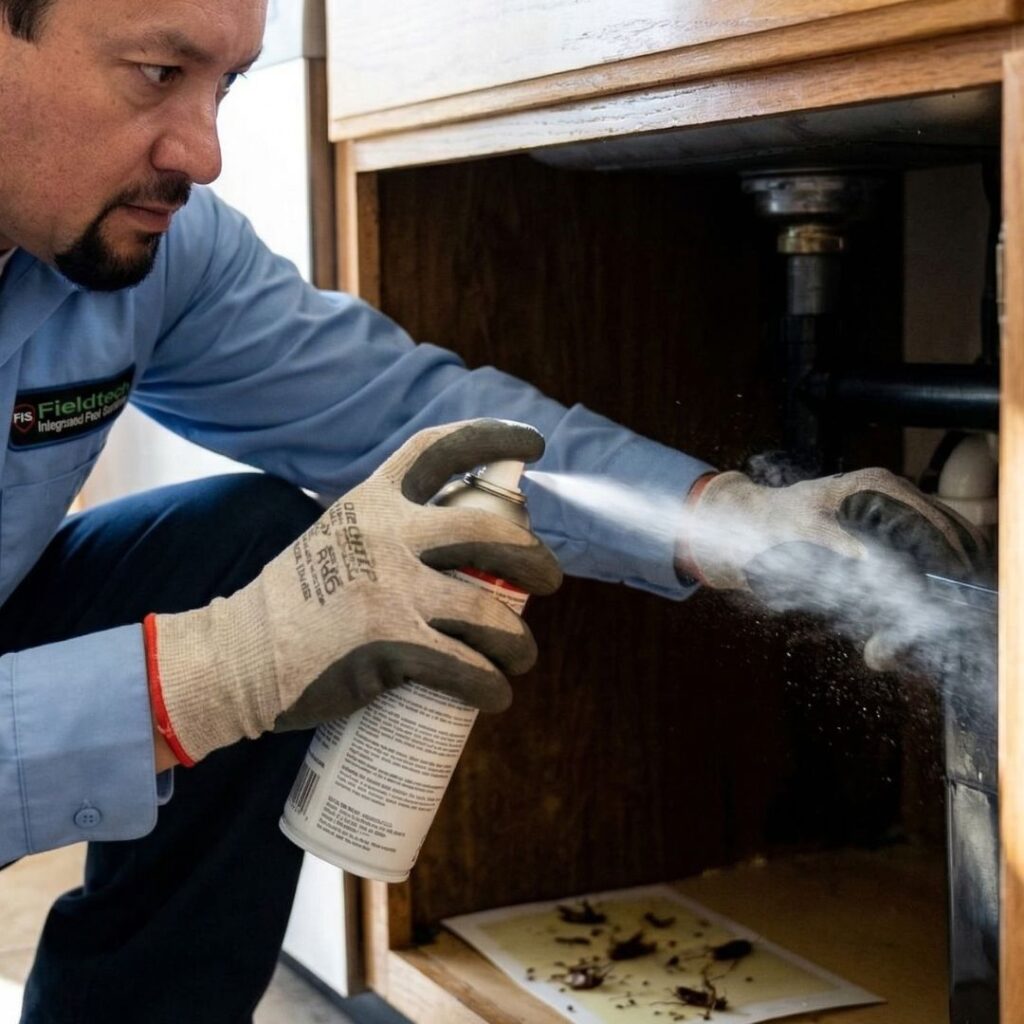
A professional brings a full inspection, expert sealing of entry points you are likely to miss, safe cleanup of contaminated areas, and a prevention plan tailored to your property, all while keeping toxic exposure to a minimum. Fieldtech offers free detailed inspections and a one-hour callback guarantee, so you are never left waiting while the problem grows. Homeowners across the High Desert, from Apple Valley to the surrounding communities, rely on us for guaranteed, prevention-first rodent solutions.
Organic rodent control is not a single product. It is a smarter sequence: remove the food and water, seal the entry points, clean up what rodents leave behind, and use naturally derived deterrents to hold the line. Done consistently, it protects your home from disease-carrying pests without putting children, pets, or local wildlife at risk from poison.
If rodents have already moved in, or you would rather not chase the problem on your own, Fieldtech is ready to help with a free inspection and a plan built around your home.
Frequently Asked Questions
Does organic rodent control really work as well as poison?
Yes, when it is done as a system. Exclusion and sanitation address the root cause, which poison never does. Poison may kill a few rodents faster, but it does nothing to stop the next ones from entering. A sealed, clean home stays protected far longer.
Is peppermint oil enough to get rid of mice?
On its own, no. Peppermint oil can help deter rodents from specific spots, but it will not clear an active infestation or replace sealing entry points. Treat it as a supporting deterrent, not a primary solution.
Are organic pest control products safe around children and pets?
Most naturally derived repellents are designed to be low-risk around families and animals, which is a big part of their appeal. Always read and follow the label, since safe use still depends on proper application.
How do I keep rodents from coming back after they are gone?
Prevention is the key. Keep food sealed, eliminate water sources, clear yard clutter, and most importantly, keep entry points sealed. Ongoing exclusion is what separates a one-time fix from a lasting one.
When should I call a professional instead of doing it myself?
Call for help if you hear activity in walls or ceilings, find droppings in multiple rooms, notice a musky odor, or keep seeing rodents return. These point to an established population that is faster and safer to resolve with professional inspection and sealing.