Every spring, the same thing happens across Apple Valley, Victorville, and Hesperia. Pigeons settle back onto rooftops. Sparrows disappear into eave gaps. Swallows return to the same mud patch under the porch. Starlings squeeze back into the same bathroom vent they used last year.
And homeowners who assumed the problem went away with winter quickly realize it did not.
Bird nesting on and inside your home is one of the most persistent property problems in the High Desert. It causes structural damage, creates serious health hazards, generates fire risks inside your ventilation system, and because of how birds are hardwired to behave, it tends to get worse every season that passes without a proper solution in place. According to the U.S. Fish and Wildlife Service, most pest bird species encountered in California are protected under the Migratory Bird Treaty Act, meaning the legal window to act is narrow and timing matters enormously.
This guide covers which birds are targeting High Desert homes, exactly where they nest, what damage they cause, why standard DIY approaches fail, and what a permanent, professional solution actually looks like. If you’re ready to act now, Fieldtech Integrated Pest Solutions offers free property inspections across Apple Valley and the Inland Empire, backed by 15 years of bird control experience and a 1-hour callback guarantee.
The Four Bird Species Most Likely Nesting on Your High Desert Home
Understanding which bird you are dealing with matters. Each species targets different areas of your home and requires a different prevention approach.
Pigeons (Rock Pigeons)
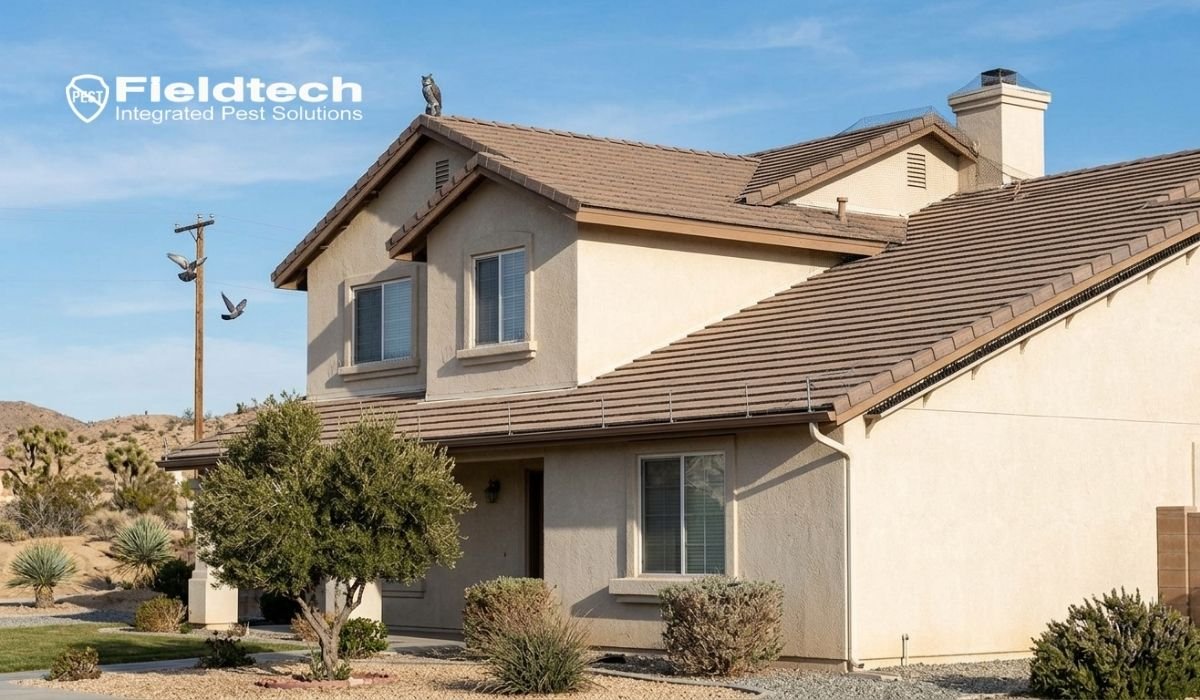
Pigeons are highly adaptable and very capable of finding shelter and roosting sites on and in buildings. In Apple Valley and Victorville, they are most commonly found roosting on rooflines, nesting under solar panels, and establishing colonies on flat or low-slope rooftops. They are one of the few pest bird species not protected under the Migratory Bird Treaty Act, which gives property owners more flexibility, but without exclusion systems in place they return relentlessly season after season.
House Sparrows
House sparrows have become a widespread pest across North America, reproducing rapidly and often raising multiple broods in a single season. They nest around human habitation: in eaves, rooflines, under roof tiles, attics, vents, and any available crevice or gap they can squeeze into. Sparrows can fit through openings as small as three-quarters of an inch, which means almost any unsealed gap on a High Desert home is a potential nesting site.
European Starlings
Starlings are cavity dwellers strongly attracted to dryer and stove vents. They slip under vent flaps and build nests inside the duct if the vent is not properly screened. The European starling builds a bulky, messy nest inside cavities and enclosures, typically from mid-April through early July. Their nests inside vents are a leading cause of blocked airflow, moisture buildup, and fire hazards in Southern California homes.
Cliff Swallows and Barn Swallows
Both cliff and barn swallows build mud nests on the exterior walls, eaves, and overhangs of homes across the High Desert. They are fully protected under the Migratory Bird Treaty Act from February 15 through September 1, meaning once eggs are laid, no action can legally be taken until the season ends. Prevention before arrival is the only effective strategy for swallows. Acting after nests are established removes all of your options until autumn.
Where Birds Nest on Your Home and Why Those Spots Are So Attractive
Birds do not choose your home randomly. They are looking for specific conditions: shelter from weather and predators, proximity to food and water, and structural surfaces that support nesting materials. High Desert homes, particularly those with stucco exteriors, tiled roofs, solar panels, and open vent systems, check nearly every box.
Eaves and Soffits
The sheltered corner where the roofline meets the exterior wall is prime real estate for sparrows and swallows. It is protected from rain, shaded from direct sun, hidden from predators, and provides a rough surface for nest materials to grip. These spots are the most commonly targeted nesting locations on High Desert homes and the first place a professional will inspect.
Roof Vents and Bathroom Exhaust Vents
Starlings and house sparrows are strongly attracted to dryer vents, stove vents, bathroom exhaust vents, and chimneys. These enclosed, warm spaces perfectly mimic the natural tree cavities these species evolved to nest in. Once a nest is built inside a vent, blocked airflow, moisture buildup, and fire risk follow quickly. This is the entry point that professional vent covers and exclusion screens are specifically designed to address.
Solar Panels
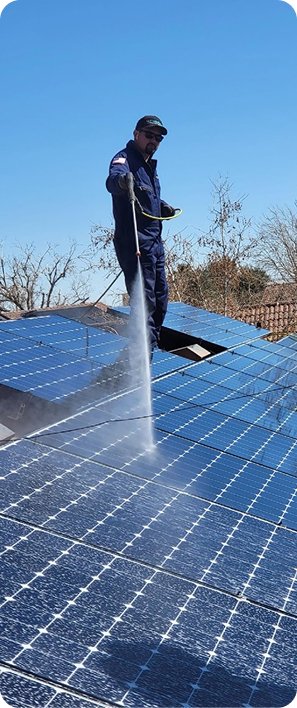
The gap between a solar panel and the roof creates a warm, shaded, predator-proof cavity that is almost perfectly designed for bird nesting from a bird’s perspective. Pigeons and sparrows are the most frequent occupants. Nesting materials, droppings, and chewed wiring beneath panels are among the most costly bird-related repairs High Desert homeowners face. Solar panel mesh guards installed by a professional are the only permanent solution.
Gutters and Downspouts
Clogged or partially blocked gutters provide a ready-made bowl of debris that sparrows and starlings convert into nests rapidly. Water backup from nesting material in gutters causes fascia and soffit rot, damage that compounds quietly until it becomes expensive to repair. Regular gutter maintenance combined with professional exclusion is the most effective way to protect this area.
Roofline Gaps and Loose Fascia
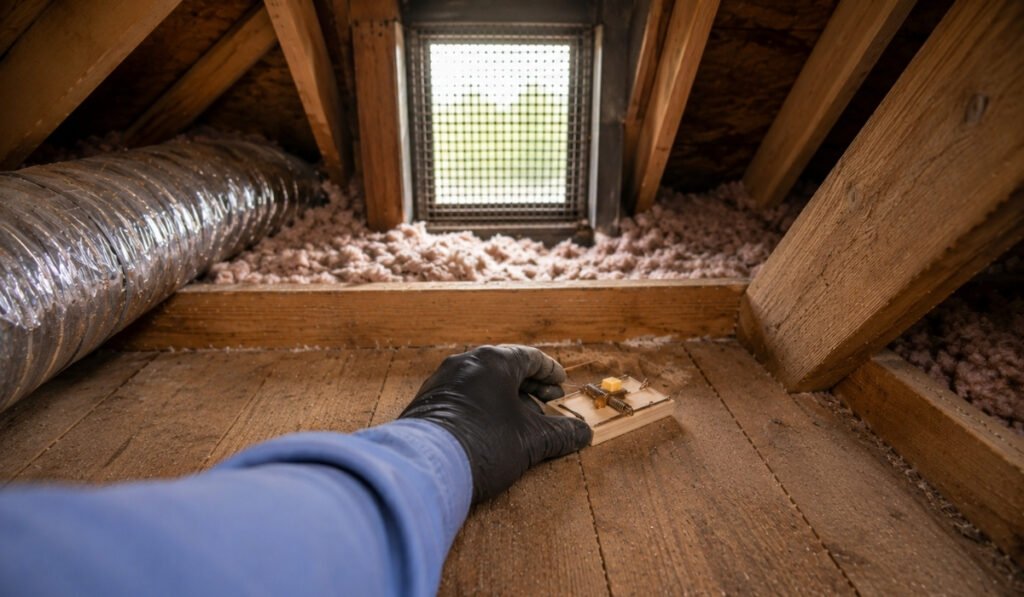
Older homes throughout Apple Valley, Victorville, and Hesperia often have small gaps where fascia boards have warped, roof tiles have shifted, or utility penetrations were never properly sealed. These gaps are entry points that birds will exploit within a single nesting season. A thorough professional inspection will identify every gap that is invisible from the ground but fully accessible to a determined sparrow or starling.
Why Birds Keep Coming Back to the Same Spots
This is the detail that explains why so many High Desert homeowners feel like they cannot win against a bird problem.
Studies show birds that successfully raised young in a location have up to 80 percent higher return rates compared to birds whose nests failed. For them, past success is the best predictor of future results, and many species can remember exactly which roof corner or eave worked well, even after migrating thousands of miles away for months.
Beyond memory, research has found that many birds can detect subtle chemical cues left behind in old nesting material. These scent signals indicate whether an area is safe and familiar, creating an olfactory map that returning birds recognize immediately. This is why simply removing a nest without installing exclusion measures and treating the surface does not solve the problem. The physical location remains attractive. The scent cues remain. And the bird, or its offspring, will return the following season and attempt to nest in the exact same spot.
Why DIY Solutions Stop Working
Walk into any hardware store in Apple Valley and you will find reflective tape, plastic owl decoys, ultrasonic sound devices, and various spray repellents. Most homeowners try at least one of these before calling a professional. Most find the same result.
Birds are intelligent animals with excellent vision and strong problem-solving instincts. Reflective tape and fake owls work briefly. Birds quickly learn that a static object poses no real threat and resume nesting within days or weeks. Ultrasonic devices have shown limited effectiveness outdoors where sound disperses freely. Spray repellents wear off rapidly in High Desert wind and heat and require constant reapplication to maintain any effect at all.
The other critical issue: once birds build a nest and lay eggs, most species are legally protected, so it is best to keep them from settling in the first place. Acting reactively, after nests are established, eliminates most of your options until the nesting season ends. The cost of waiting is always higher, in damage, in frustration, and in the lost months of a full nesting season.
What Professional Bird Nesting Prevention Actually Looks Like
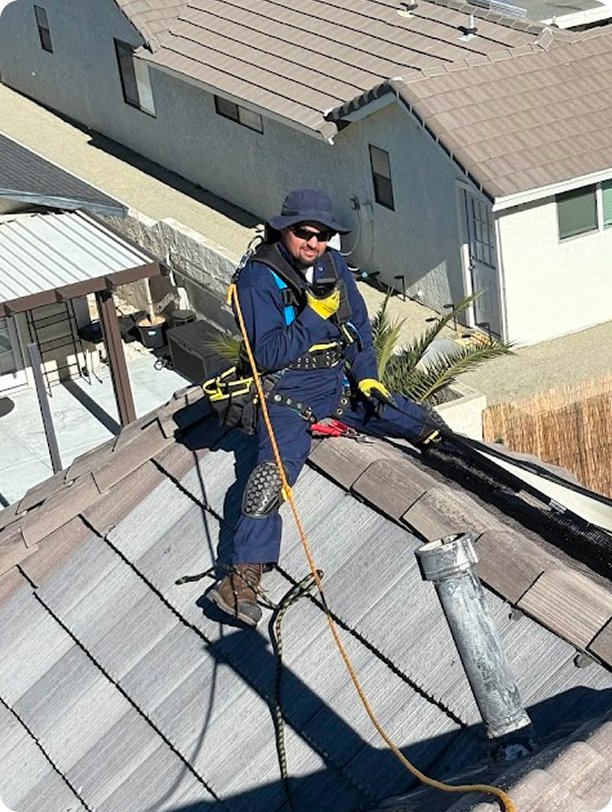
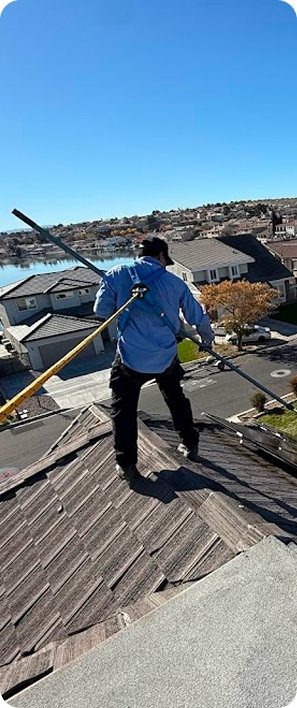
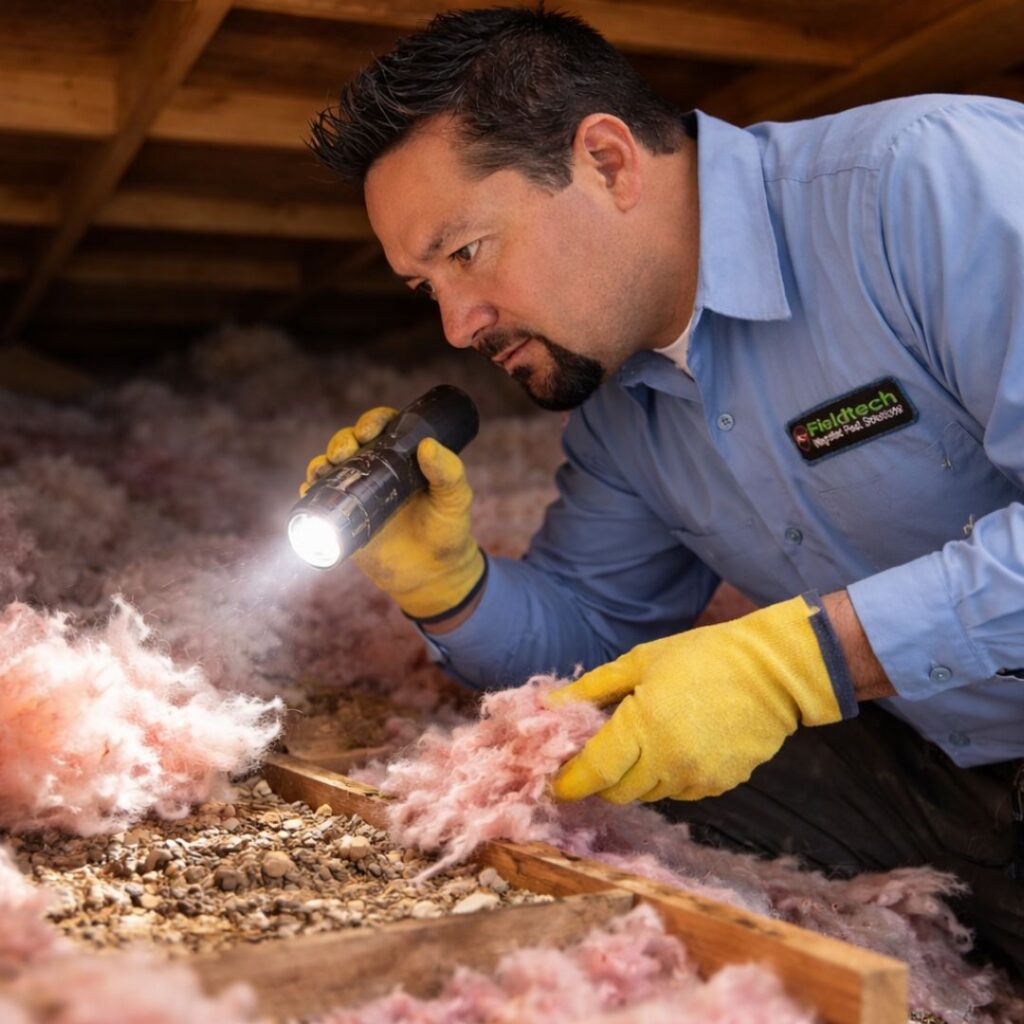
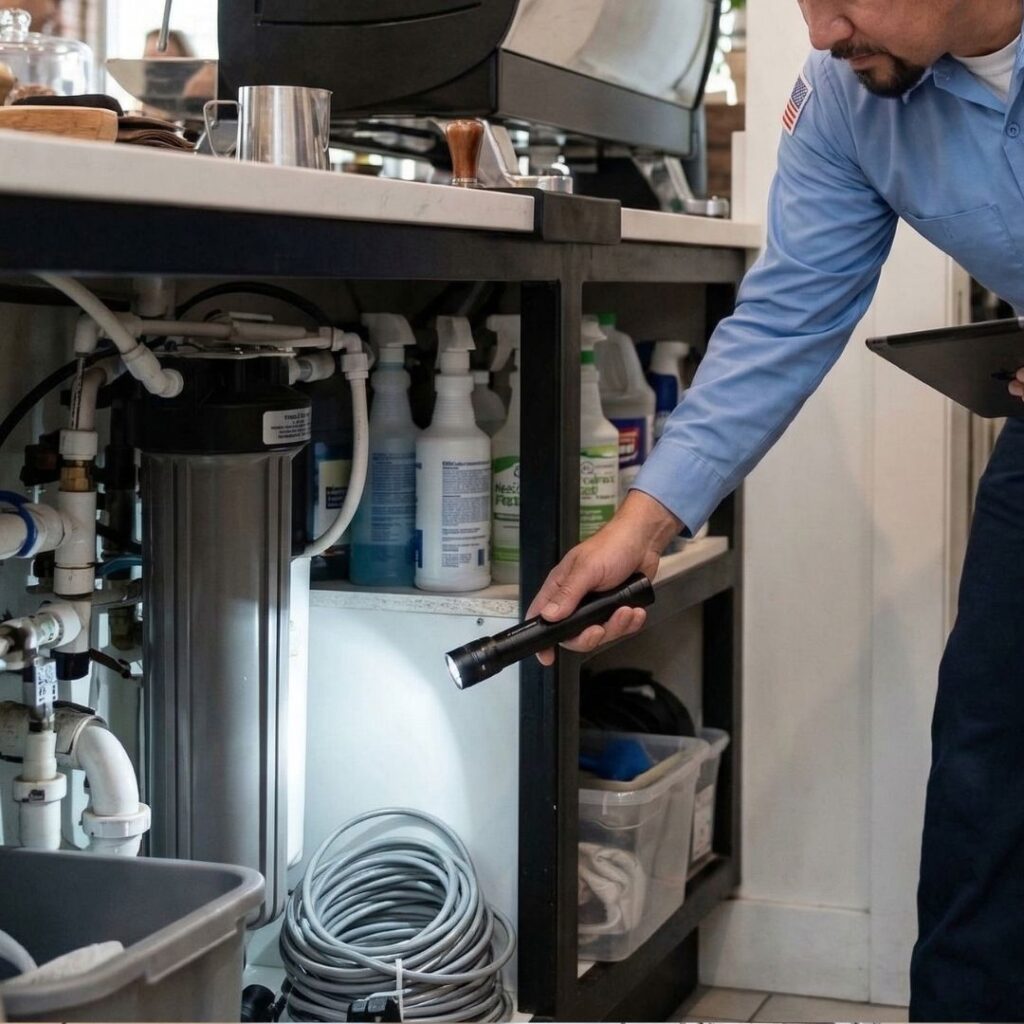
At Fieldtech Integrated Pest Solutions, every bird nesting prevention job begins with a full inspection of your property, not just the areas where you have noticed activity, but every eave, vent, roofline gap, solar array edge, and structural surface that represents a potential nesting site. Partial solutions simply move the problem from one area to another. Based on the inspection, we deploy the right combination of proven exclusion methods.
Bird Netting
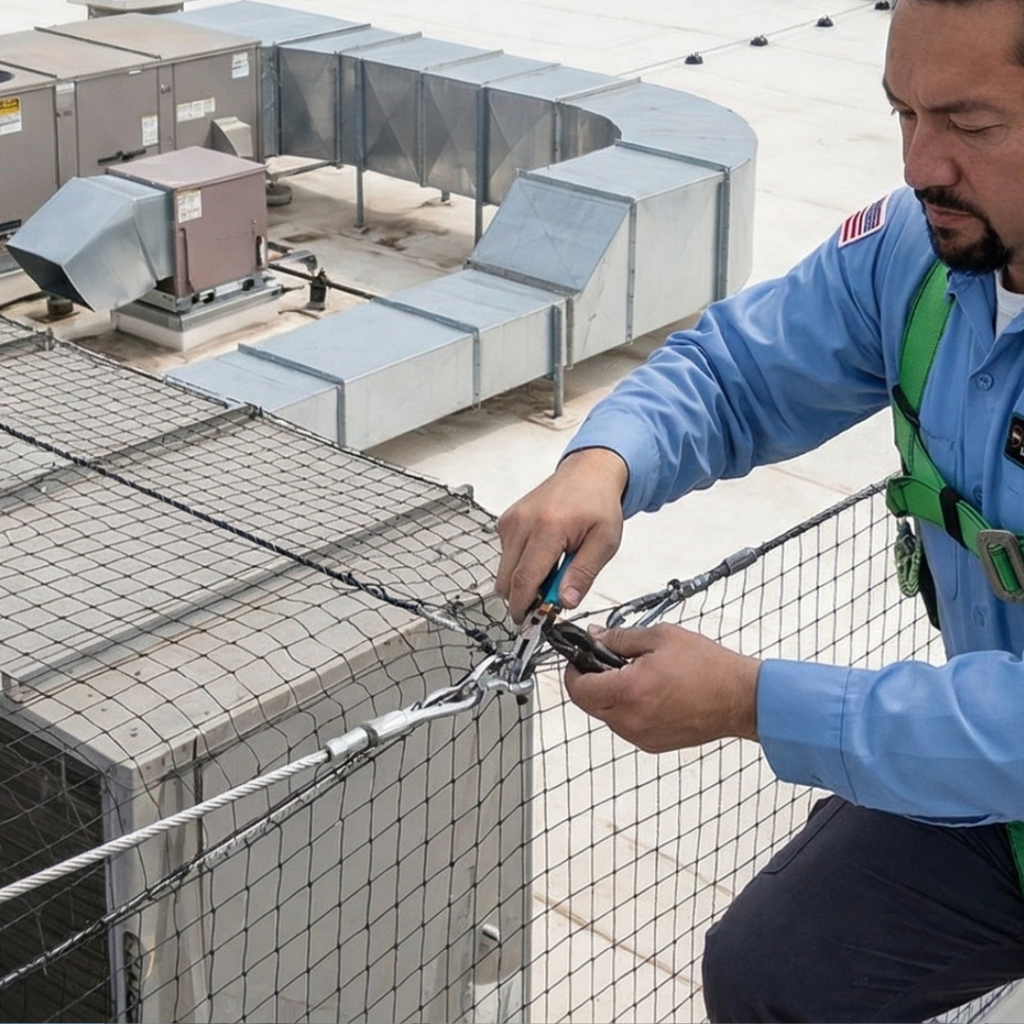
Professional-grade bird netting creates a physical barrier across eaves, porch ceilings, rooftop areas, and building faces, preventing birds from accessing the surfaces they need to build nests. When correctly installed at the right tension and mesh size for your specific bird species, netting is essentially invisible from the ground and lasts multiple seasons without maintenance.
Bird Proofing and Spike Installation
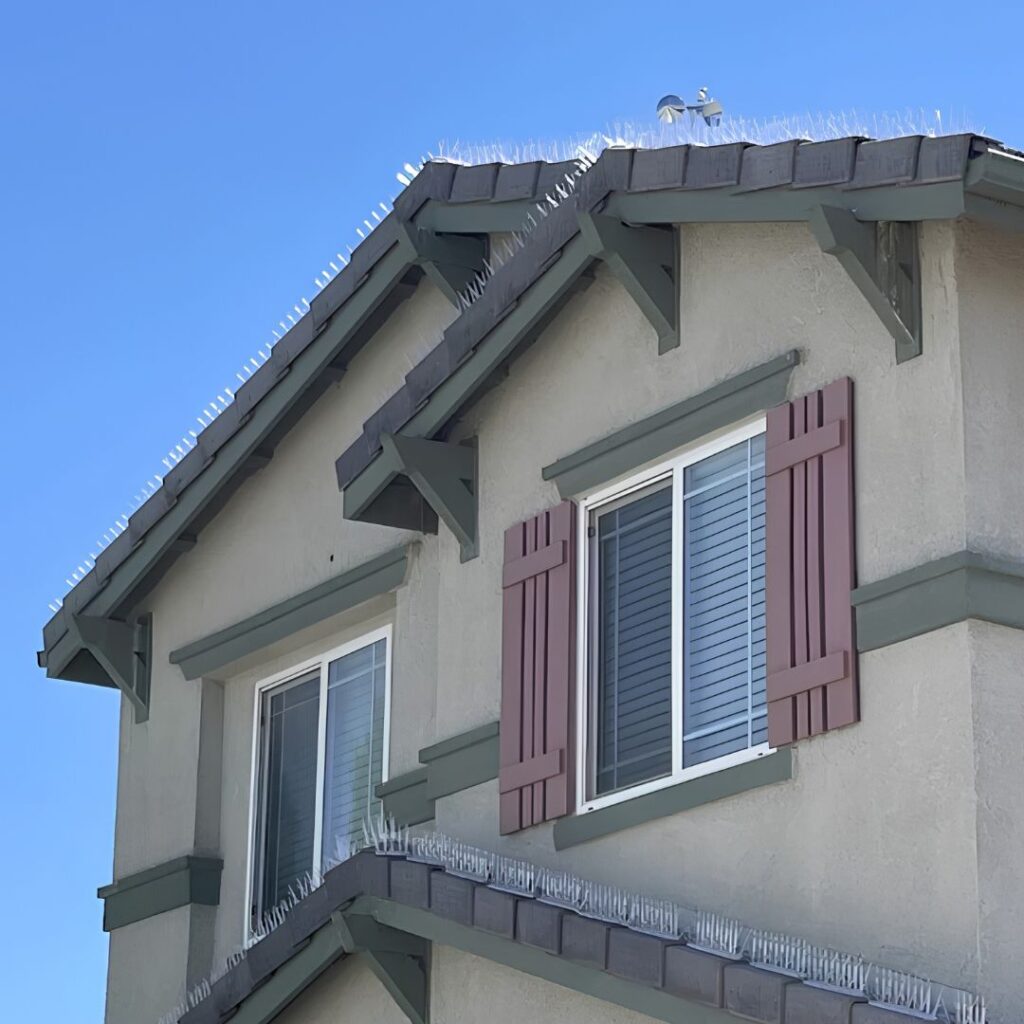
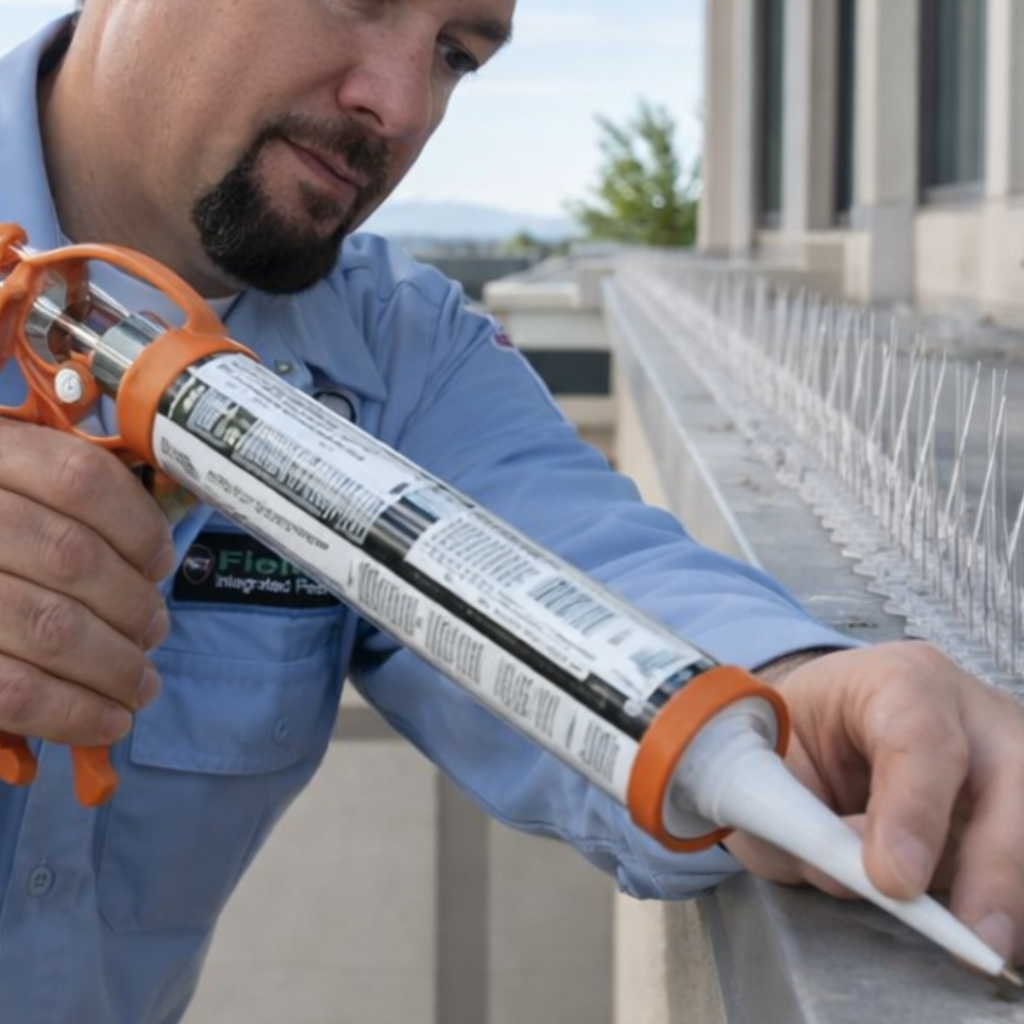
Stainless steel bird proofing and spike installation on ledges, roofline edges, and flat surfaces denies birds the landing foothold they need to begin nest construction. Spikes are humane, durable, and built specifically for the High Desert’s intense UV exposure and extreme temperature swings. As part of a comprehensive professional installation, they are one of the most reliable long-term deterrents available.
Solar Panel Mesh Guards
Solar panel mesh guards seal the perimeter of your solar array with durable powder-coated mesh, eliminating the cavity beneath panels that pigeons and sparrows target. This also protects wiring from chewing damage and keeps nesting debris away from the panel surface, protecting both your energy output and your manufacturer warranty.
Vent Covers and Exclusion Screens
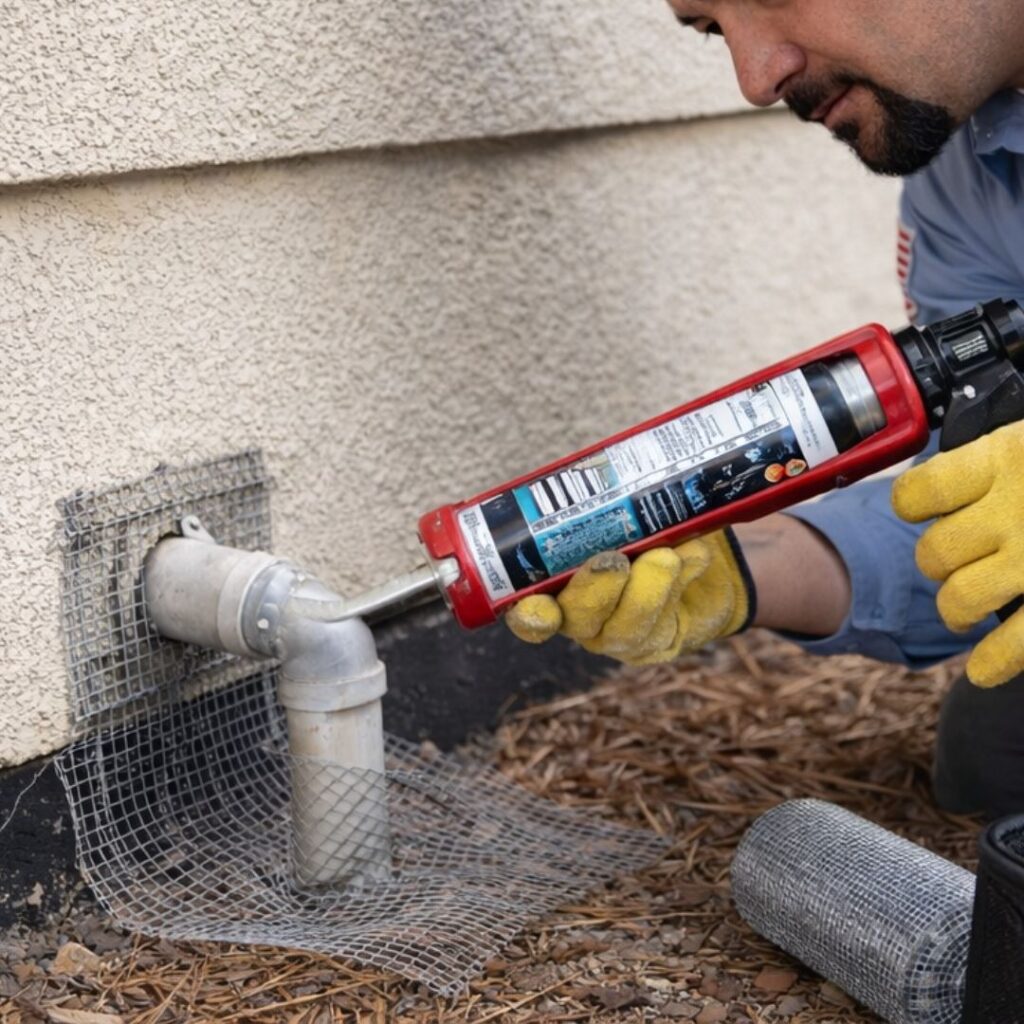
Professional-grade vent covers are installed over dryer vents, bathroom exhaust vents, kitchen vents, and roof vents using covers that maintain full airflow while permanently blocking bird entry. This is the most common failure point in DIY attempts, where homeowners either accidentally block airflow or install covers that birds push aside within days.
Sanitation and Scent Removal
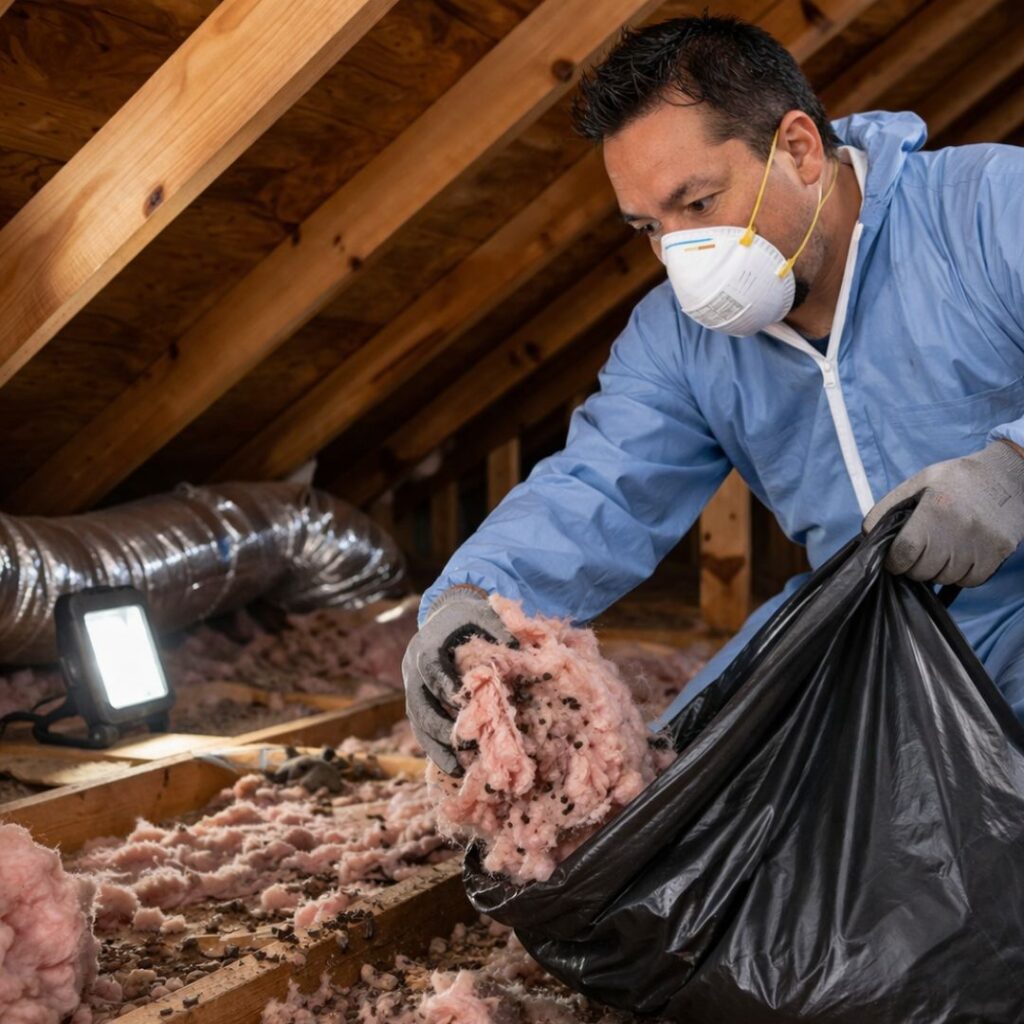
Sanitation following nest removal is a step most homeowners and many pest control companies skip entirely. Leaving old nesting material and droppings in place means the chemical attractants that draw birds back remain fully active. As part of every prevention service, Fieldtech cleans and treats all affected surfaces, removing the scent signals that would otherwise bring birds back to the same spots regardless of what exclusion hardware is installed.
The California Legal Window: Why Timing Is Everything
The California Department of Fish and Wildlife considers February 15 to September 1 to be the bird nesting season, during which active nests with eggs or young cannot be disturbed or removed without a federal permit from the U.S. Fish and Wildlife Service.
This legal reality is the single most important reason to act before spring. Property owners who have exclusion netting and proofing installed in January or early February have the full range of options available to them. Those who wait until April and find active nests on their homes are legally required to wait until September before any nest removal or exclusion work can begin on those specific sites.
January through mid-February is the ideal window in the Apple Valley area, before the first cliff swallows arrive in late February and before sparrows and starlings begin actively nesting. The earlier you act, the more options you have and the lower the overall cost.
Serving Apple Valley, Victorville, Hesperia and the Inland Empire
Fieldtech Integrated Pest Solutions provides professional bird nesting prevention for residential and commercial properties throughout the High Desert and greater Inland Empire. Every service starts with a free inspection. We assess your specific bird pressure, identify every vulnerable area on the property, and provide a clear plan and quote before any work begins.
We serve Apple Valley, Victorville, Hesperia, Phelan, Fontana, Rancho Cucamonga, Rialto, Ontario, Redlands, Yucaipa, Barstow, and Adelanto.
Spring nesting season in the High Desert moves quickly. The window to act before birds establish legally protected nests is short, and every week of delay narrows your options and increases your costs.
Bird nesting is not a problem that resolves itself. Without physical exclusion systems in place, the same birds, or their offspring, will return to the same spots on your home year after year. The scent signals remain. The structural attractants remain. And the colony grows.
Fieldtech Integrated Pest Solutions offers free property inspections across Apple Valley and the Inland Empire, backed by 15 years of bird control experience, a 5-star Google rating, and a 1-hour callback guarantee. New customers receive 5% off, and military families, seniors, and first responders qualify for 10% off. Explore our full bird control services here.