A few birds in the yard can be a pleasant thing, but when they start roosting in your eaves or nesting in your vents, the charm wears off fast. Bird droppings are more than an eyesore: the CDC notes that soil and surfaces contaminated with bird droppings can harbor a fungus that causes histoplasmosis, a lung infection that ranks among the most common of its kind in the United States. There is also a legal side to consider, because the federal Migratory Bird Treaty Act protects more than 1,000 bird species, making it illegal to harm them or disturb active nests without a permit. That mix of health risk and legal limits is exactly why prevention beats reaction.
The good news is that keeping birds away from your house is mostly about making your property less attractive and harder to land on. This guide covers the methods that actually work, from removing what draws birds in, to natural and homemade repellents, humane deterrents, ultrasonic devices, and physical barriers. You will also find specific tips for gardens and porches, plus guidance on when a problem is big enough to call a professional.
Here in the High Desert, homeowners deal with pigeons, sparrows, and starlings that love the warm ledges and open eaves common to Apple Valley homes. At Fieldtech Integrated Pest Solutions, we handle these problems every week, and the bird control methods below reflect what we see working in real yards across the area.
Why Birds Become a Problem Around Your Home
Birds are drawn to homes for three simple reasons: food, water, and shelter. Once they find all three, they settle in and invite company.
How to Get Rid of Pigeons
Pigeons are the most common and most persistent nuisance bird around High Desert homes, alongside house sparrows and European starlings. They are highly adaptable, and once a roost is established they are hard to move, which is why early action makes such a difference. The removal and deterrent steps in this guide apply to pigeons and most other nuisance species.
Are Bird Droppings Dangerous?
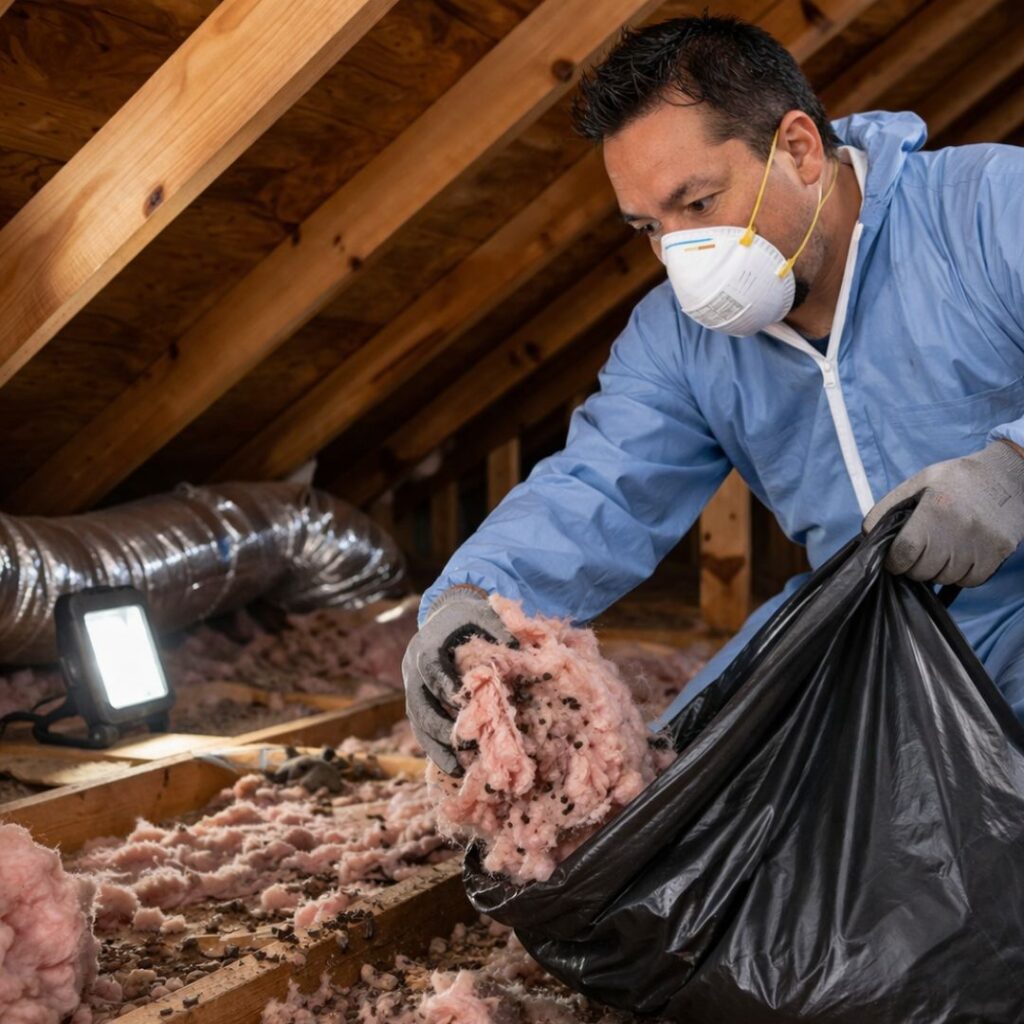
They can be. Droppings are acidic and can stain and corrode paint, roofing, and vehicles, while nests clog gutters, vents, and chimneys and create fire and water hazards. Accumulated droppings also carry real health concerns, which is why large cleanups are best left to professionals.
Start by Removing What Attracts Birds
Before you buy a single gadget, take away the reasons birds want to be there. This is the most important step, and the one most people skip.
What Attracts Birds to Your House
Food and water are the biggest draws. Secure trash cans, clean up spilled pet food and birdseed, and pick ripe fruit before it drops. Empty or cover birdbaths and fountains, fix dripping outdoor faucets, and drain any standing water. A dependable food or water source will keep birds coming back no matter what else you try.
How to Bird-Proof Your Home
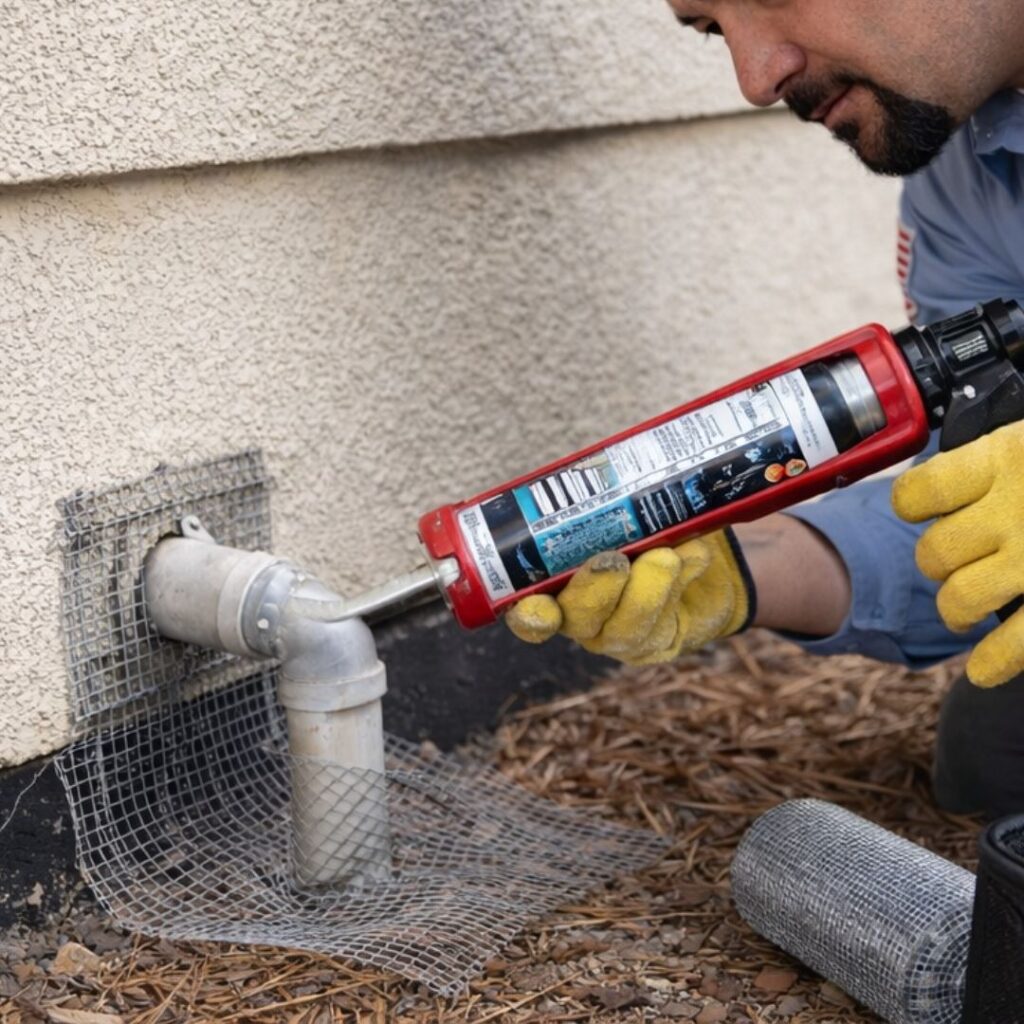
Shelter is the third draw. Trim back trees and shrubs near the house, and seal the gaps in eaves, vents, and rooflines that birds slip into. Professional bird proofing targets these entry points so birds cannot get a foothold in the first place. When the easy resources disappear, many birds simply move on without any further effort on your part.
Natural Bird Repellent Options That Work
A natural bird repellent uses scents and tastes birds dislike rather than chemicals or traps. These are a good first line of defense for mild problems and for areas near gardens or pets.
What Smells Keep Birds Away?
Strong smells are the most reliable. Birds tend to avoid peppermint, garlic, chili, and citrus, so spraying a diluted essential oil mix around perching spots can discourage them. You will need to reapply after rain or heavy wind. If you would rather not mix your own, you can explore ready-made options on our bird repellents page.
Homemade Bird Repellent Recipes You Can Try
If you prefer the DIY route, a few homemade bird repellent mixtures are cheap and easy to make.
Homemade Bird Repellent Spray
These simple mixes can be loaded into a spray bottle and applied to the spots birds favor:
- Chili spray: crush a couple dozen dried chili peppers into about half a gallon of water with a splash of vinegar, let it steep, strain it, then spray it on ledges and railings.
- Peppermint solution: mix several drops of peppermint oil with water in a spray bottle and treat the areas where birds gather.
- Baking soda: a light sprinkle on railings and ledges feels unpleasant under birds’ feet and nudges them to perch elsewhere.
Homemade options work best for small, early problems. They fade with weather, so consistency is the key to results.
Humane Bird Repellent Methods
A humane bird repellent moves birds along without harming them, which matters both ethically and legally, since most species are federally protected. The goal is to make your home uninviting, not to trap or injure.
Reflective Tape and Owl Decoys
Visual scares are effective and completely harmless. Reflective tape, old CDs, shiny garden spinners, and predator decoys such as fake owls or hawks all play on a bird’s instinct to avoid danger. The trick is to move decoys every few days so birds do not learn they are harmless. Combining two or three methods works far better than relying on a single one.
Ultrasonic Bird Repellent and Sound Devices
An ultrasonic bird repellent emits high-frequency sound meant to irritate birds and keep them away. Some models also play predator calls or distress sounds on a timer. These devices can help in open areas like patios and carports where you have power available.
Results vary, and birds can grow used to a sound that never changes. The most effective sound devices rotate between different noises and pair well with visual deterrents. Treat them as one part of a larger plan rather than a standalone fix.
Bird Deterrent Devices: Visual and Physical
When scares are not enough, physical bird deterrent devices stop birds from landing at all. These are the longest-lasting solutions.
Bird Spikes
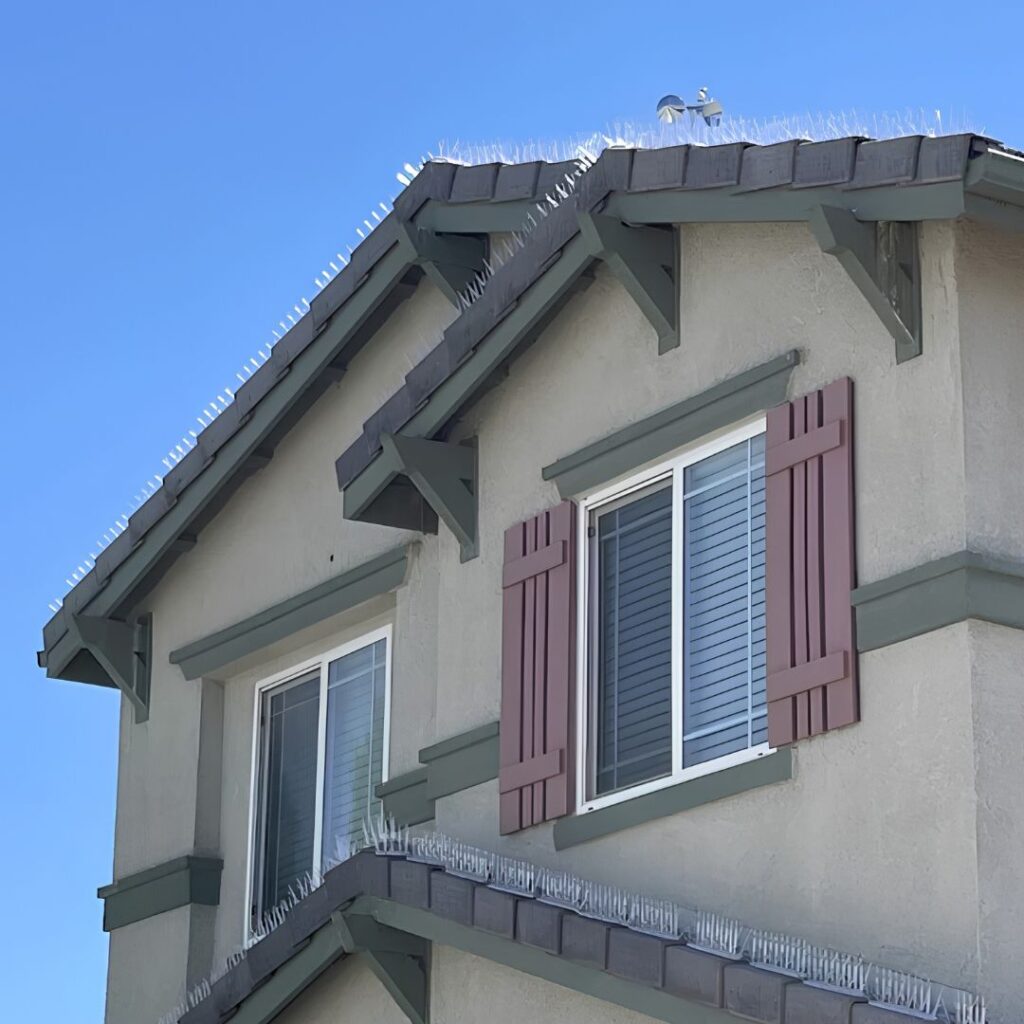
Stainless steel or plastic spike strips make ledges, signs, and beams impossible to perch on. They are discreet, durable, and ideal for the narrow surfaces where birds like to line up.
Bird Netting
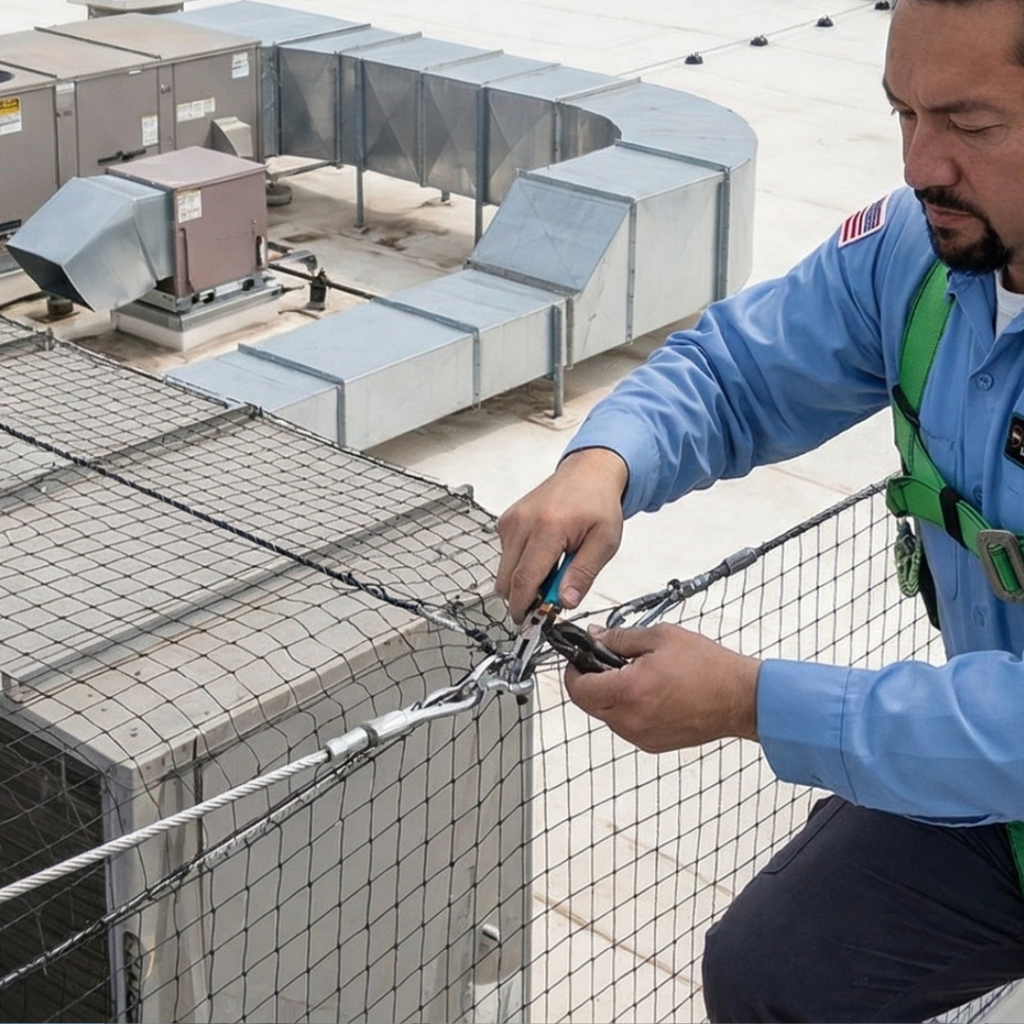
Netting is a near-invisible barrier that seals off patios, eaves, and rafters entirely. Our bird netting service is the go-to for larger or stubborn roosting areas where spikes alone will not cut it.
Bird Repellent Gel
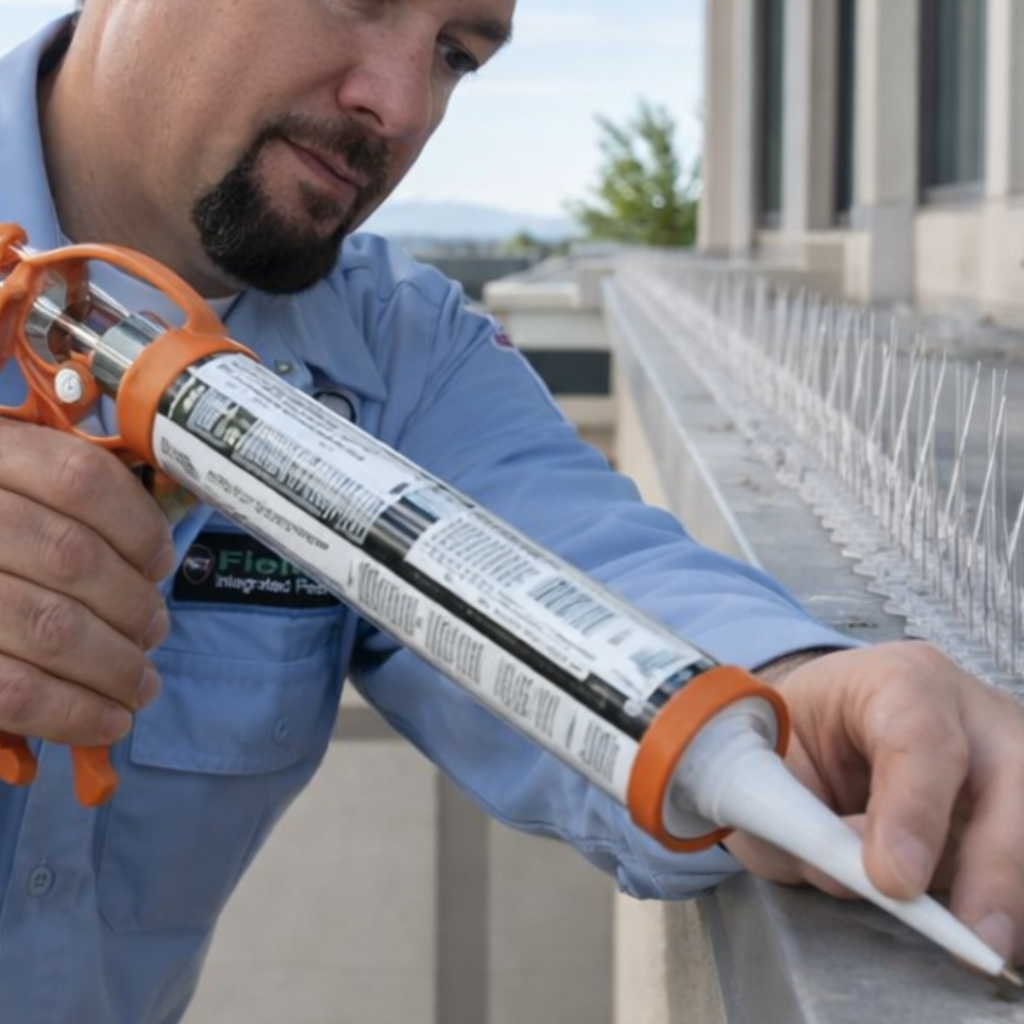
Sticky bird repellent gel and angled slope covers make flat surfaces uncomfortable to land on. Physical barriers like these need correct installation to work properly and to avoid trapping birds, which is where professional help pays off.
How to Keep Birds Away From Your Garden
Gardens are a magnet because they offer seeds, berries, and insects all in one spot. To keep birds away from your garden, drape lightweight netting over fruit trees and vegetable beds during the growing season.
Reflective scare tape strung between stakes works well in open beds, and a moving decoy adds another layer. Clear away fallen fruit and spilled seed from the ground, since that is what pulls birds in to begin with.
How to Keep Birds Away From Your Porch
Porches give birds a sheltered ledge and quick access to nesting nooks. Start by removing nesting materials and cleaning droppings thoroughly, then block the spots they favor.
Bird Spikes for Porches
Hang wind chimes or a reflective ornament near the problem corner, and apply bird spikes or gel to the ledges and beams where they perch. If birds are nesting above the door, a small section of netting across the opening usually solves it for good.
When to Call a Professional
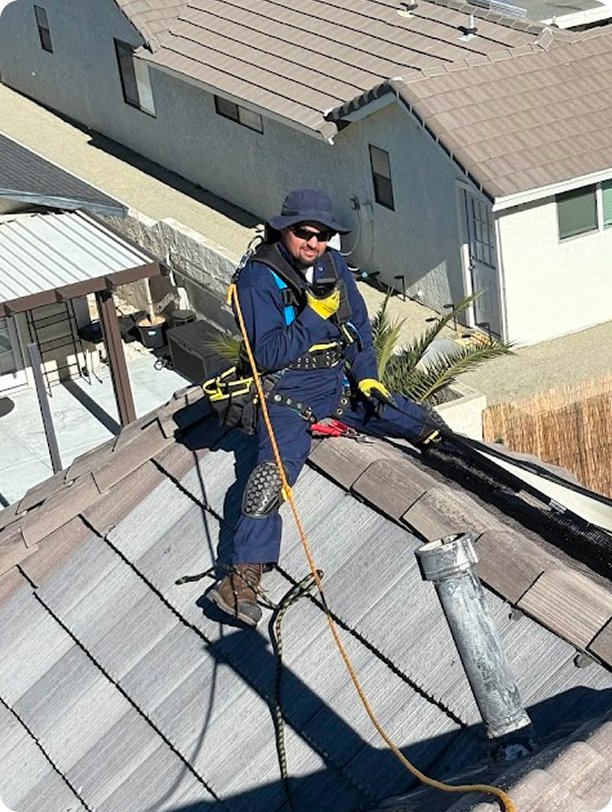
Some bird problems are too established, too high up, or too messy to handle safely on your own. Large droppings cleanups in particular should be done with proper equipment because of the health risks involved.
If birds keep returning despite your best efforts, or if they have nested in your roof, attic, or vents, it is time for an expert assessment. Fieldtech offers free detailed inspections, a one-hour callback guarantee, and guaranteed solutions for homeowners across the High Desert. You can learn more about our pest control services in Apple Valley, CA, and get a plan tailored to your property.
Keeping birds away from your house comes down to a simple principle: remove what attracts them, then make the spots they like unwelcoming. Start with food, water, and shelter, layer in natural or humane repellents, and add physical barriers like spikes and netting for the stubborn cases.
Most homeowners get the best results by combining several methods and staying consistent. When a problem outgrows a DIY approach, a professional can solve it safely and keep it from coming back.
Frequently Asked Questions
What smell do birds hate the most?
Birds strongly dislike strong, spicy, and minty scents. Peppermint, chili pepper, garlic, and citrus are among the most effective, which is why so many natural and homemade repellents are built around them.
Is it legal to remove a bird’s nest from my house?
Often it is not. Most bird species are protected under the federal Migratory Bird Treaty Act, and disturbing an active nest can carry penalties. Always check the species and local rules, or call a licensed professional, before removing any nest.
Do ultrasonic bird repellents really work?
They can help, but they are not a guaranteed fix on their own. Birds may get used to a repetitive sound, so devices that vary their noises and are paired with visual deterrents tend to perform best.
How do I stop birds from nesting in my eaves?
Seal the gaps and openings birds use to get in, then add netting or spikes to block the ledges. Bird proofing the entry points is the most permanent solution.
What is the most effective way to keep birds away long term?
Physical barriers like bird netting and spikes last the longest because they stop birds from landing at all. Combined with good sanitation and entry point sealing, they deliver the most reliable long-term results.