Rodents are one of the most common, and most damaging, pests homeowners deal with in the United States. According to the U.S. Census Bureau, roughly 14.8 million American homes reported seeing rodents in a single 12-month period, and the Centers for Disease Control and Prevention warns that rats and mice can spread diseases like hantavirus, leptospirosis, and salmonella through their droppings, urine, and nests. That is millions of families dealing with a problem that is not just unpleasant, but a genuine health and safety risk.
The trouble is, rodents are sneaky. They are mostly nocturnal, they nest in places you rarely look, and by the time you actually see one running across the floor, the population in your walls or attic is usually much bigger than you would expect. Catching the problem early is what keeps a few mice from turning into a full-blown infestation.
In this guide, the team at Fieldtech Integrated Pest Solutions walks you through the clearest signs of a rodent infestation, the difference between rat and mouse activity, where to look in and around your home, and what to do the moment you spot trouble. If you live in the High Desert or anywhere across the Inland Empire, this is exactly what we look for during a free inspection.
What Are Signs of a Rodent Infestation?
Rodents leave behind a trail of evidence long before you ever see one. Once you know what to look for, the signs are surprisingly easy to spot. Here are the most reliable indicators that mice or rats have moved in.
1. Droppings
Droppings are the most common and most reliable sign. Fresh droppings are dark, moist, and soft. As they age, they turn gray, dry out, and crumble when touched. Mouse droppings are small, smooth, and rice-shaped with pointed ends. Rat droppings are larger, shiny black, and roughly the size of a raisin.
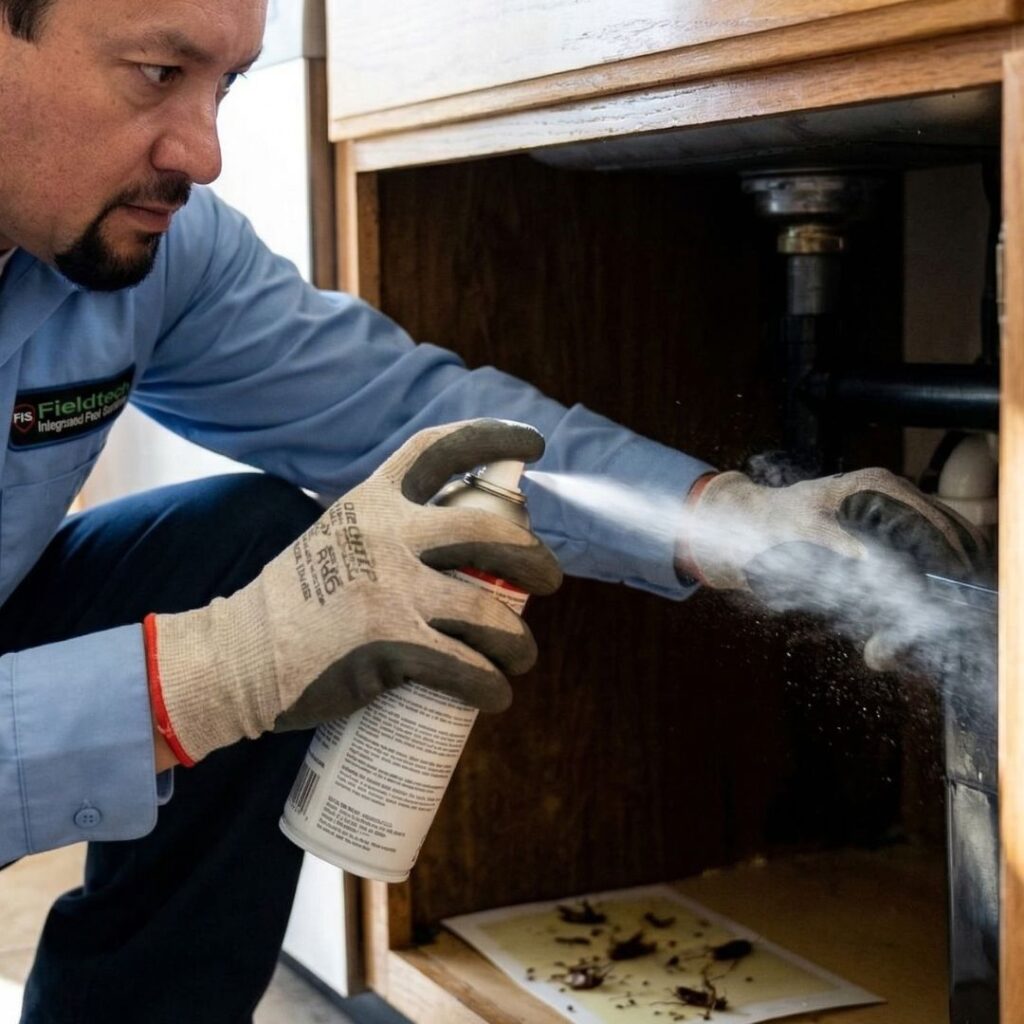
Check inside kitchen cabinets, under sinks, in pantries, along baseboards, inside chewed cardboard boxes, in the garage, and in the attic. Finding even a handful of droppings means rodents are actively feeding nearby.
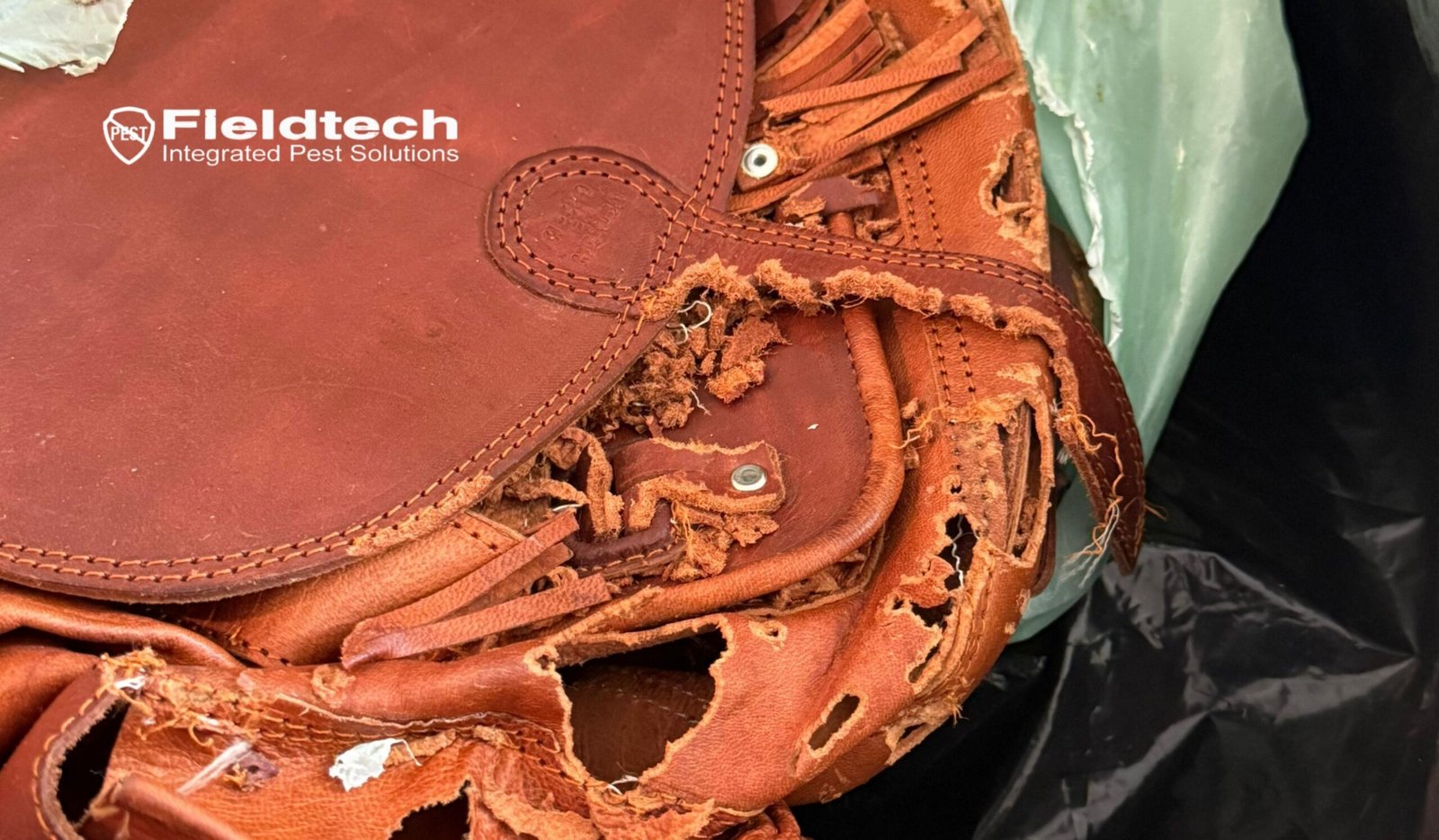
2. Gnaw Marks and Chewed Materials
A rodent’s front teeth never stop growing, so they have to chew constantly to keep them filed down. That means almost nothing in your home is safe. Look for:
- Chew marks on food packaging, cardboard, and plastic containers
- Damaged electrical wiring (a serious fire hazard)
- Gnawed wood around door frames, baseboards, and attic beams
- Holes chewed through drywall, insulation, or even lead pipes
Fresh gnaw marks are light-colored and rough. Older marks darken over time. Rat teeth typically leave marks about 1/8 inch long, while mouse marks are smaller and finer.
3. Strange Noises at Night
Because rodents are nocturnal, you are most likely to hear them after the house goes quiet. Common sounds include scratching, scurrying, gnawing, and faint squeaking inside walls, ceilings, or under floors. Mice tend to make higher-pitched squeaks and stay closer to walls and ceilings. Rats produce deeper gnawing noises and are often heard in attics and crawl spaces.
4. A Musty, Ammonia-Like Smell
Rodents urinate constantly to mark their territory, and the smell builds up fast. A musty, stale, slightly ammonia-like odor in a room, closet, garage, or attic is a strong sign that mice or rats are nesting nearby. If the smell suddenly becomes overpowering, a rodent has likely died inside a wall or crawl space.
5. Nests and Shredded Material
Rodents nest in dark, quiet, hidden spots. House mice love shredded paper, cotton, fabric, packing materials, and pieces of insulation. You will often find nests behind appliances, inside stored boxes, in attic insulation, under crawl space vapor barriers, or in cluttered garages and sheds.
6. Grease Marks and Rub Trails
Rats in particular have oily fur, and they tend to follow the same paths over and over. This leaves dark, smudgy grease marks along walls, baseboards, pipes, and beams. If you spot a dirty smear along the lower part of a wall or around a hole, that is an active rodent highway.
7. Footprints and Tail Marks in Dust
In dusty areas like attics, basements, garages, and rarely-used storage rooms, you can sometimes spot tiny footprints, tail drag marks, or smudged trails. Sprinkle a thin layer of flour or talcum powder along a suspected path overnight, then check it in the morning, this is a simple trick our technicians use to confirm active rodent movement.
8. Pet Behavior Changes
Dogs and cats often detect rodents long before their owners do. If your pet suddenly starts staring at a wall, pawing at the baseboards, or acting unusually alert in a specific room, take it seriously.
How Do You Know If You Have a Rat Infestation?
Rats and mice leave similar evidence, but a rat infestation has a few telltale differences. Rats are bigger, bolder, and cause more damage, so spotting the signs early really matters.
Here is how to tell rats apart from mice:
- Larger droppings: Rat droppings are about 1/2 to 3/4 inch long, shiny black, and shaped like raisins. Mouse droppings are much smaller and rice-shaped.
- Bigger gnaw marks: Rats can chew through wood, drywall, soft metal, and even lead pipes. Damage looks rougher and more aggressive than mouse work.
- Grease marks along walls: Mice rarely leave noticeable smudges; rats almost always do.
- Burrows outside: Norway rats dig burrows around foundations, woodpiles, sheds, and dense landscaping. Look for holes 2 to 4 inches wide with smooth, well-traveled openings.
- Heavier noises in attics and roofs: Roof rats are excellent climbers and tend to live in attics, palm trees, and rafters. Heavy thumps or running sounds overhead usually mean rats, not mice.
- Daytime sightings: Spotting a rat during the day often means the population is large enough that some are forced out of hiding to forage.
If you suspect rats specifically, do not wait. Rats reproduce quickly, carry more disease risk than mice, and cause more structural damage. Our rodent control service is designed to identify the species, knock down the active population, and seal entry points so they cannot come back.
Rat Infestation: Why It Happens and Why It Spreads So Fast
A rat infestation almost never starts with a hundred rats; it starts with one pregnant female finding a quiet, warm, food-rich place to settle. From there, the math gets ugly fast. A single pair of rats can produce dozens of offspring in a year, and those offspring start reproducing within months.
Rats keep coming back to homes for three simple reasons:
- Food. Pet food left out, open trash bins, bird feeders, fruit trees, compost piles, and unsealed pantry items are all rodent magnets.
- Water. Leaky pipes, dripping outdoor spigots, pet water bowls, and pooled irrigation water give rats everything they need to survive.
- Shelter. Cluttered garages, woodpiles against the house, dense ivy, palm trees, attic vents with damaged screens, and gaps around utility lines are all open doors.
Out in the High Desert and Inland Empire, we see two main rat species: roof rats (excellent climbers, love attics and trees) and Norway rats (heavier-bodied, prefer burrowing near foundations and crawl spaces). Each one calls for a slightly different control strategy, which is why proper species identification matters.
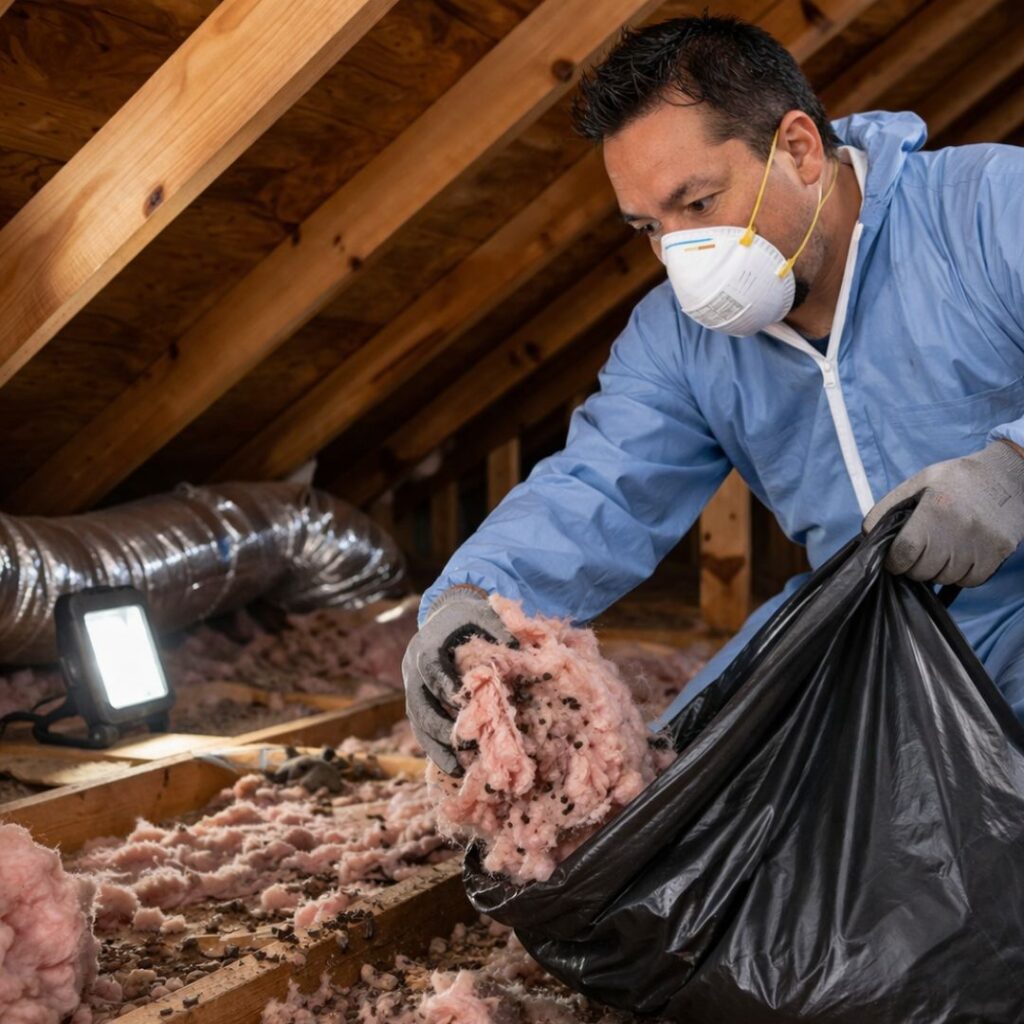
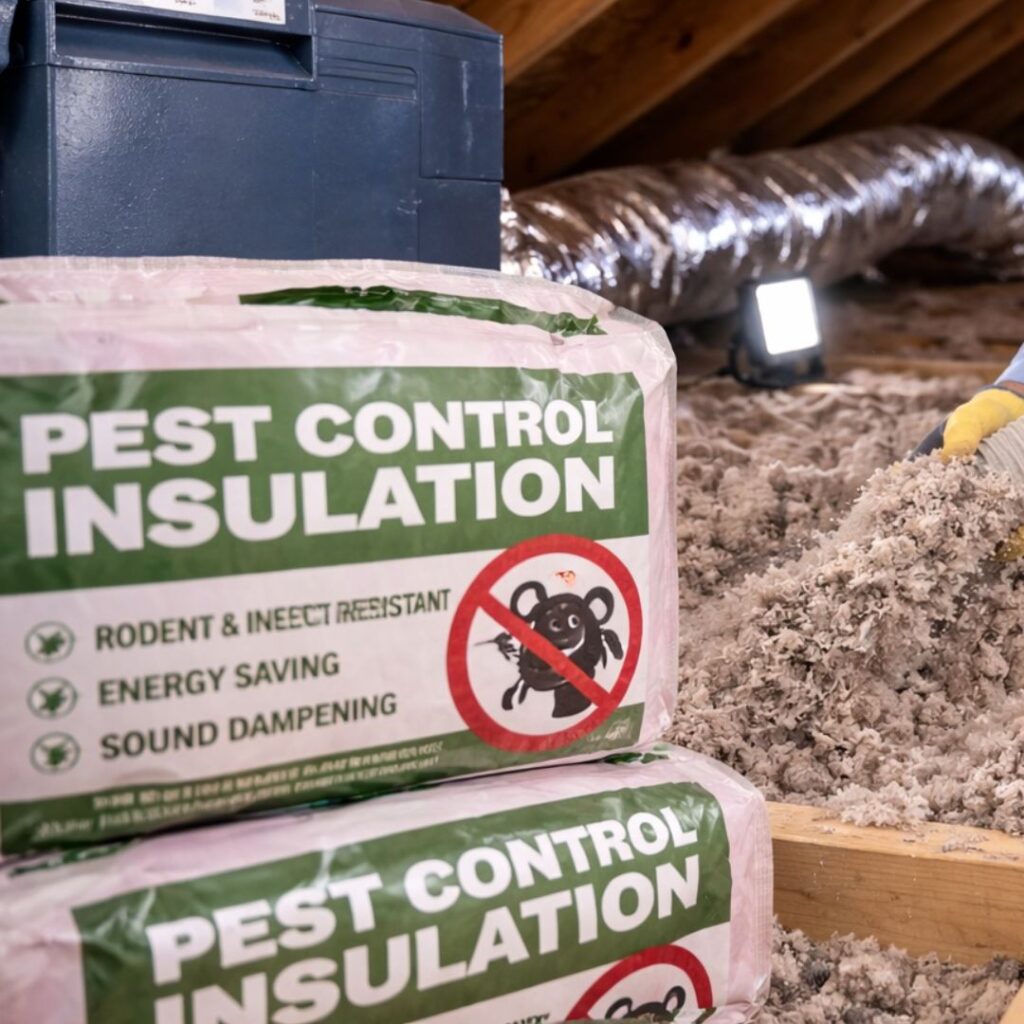
Damage from a rat infestation also tends to be hidden. Contaminated attic insulation is one of the most common, and most underestimated, problems. Once insulation is soiled with droppings and urine, it loses thermal value and becomes a health risk. Our contaminated insulation removal and attic sanitation services restore the space properly so your home is safe and clean again.
Rodent Infestation Sign: Where to Look Around Your Home
Knowing what to look for is only half the battle. The other half is knowing where to look. Rodents stick to predictable areas, and a quick check of these spots once a month can save you thousands in repairs.
Inside the Home
- Kitchen cabinets, pantries, and under the sink
- Behind and under the refrigerator, stove, and dishwasher
- Inside the laundry room, especially around dryer vents
- Closets, storage rooms, and any cluttered corner
- Garages, particularly around stored boxes and pet food
In the Attic and Crawl Space
- Insulation that looks tunneled, matted down, or discolored
- Droppings along beams and around vents
- Chewed wiring, ductwork, or stored items
- Nests of shredded paper, fabric, or insulation
Outside the Home
- Burrow holes around the foundation, sheds, and outbuildings
- Droppings near trash cans, BBQs, or outdoor pet bowls
- Gnaw marks on hose bibs, irrigation lines, or wood siding
- Tracks in the dirt around AC units and utility entry points
- Damaged screens on attic vents, soffit vents, and crawl space vents
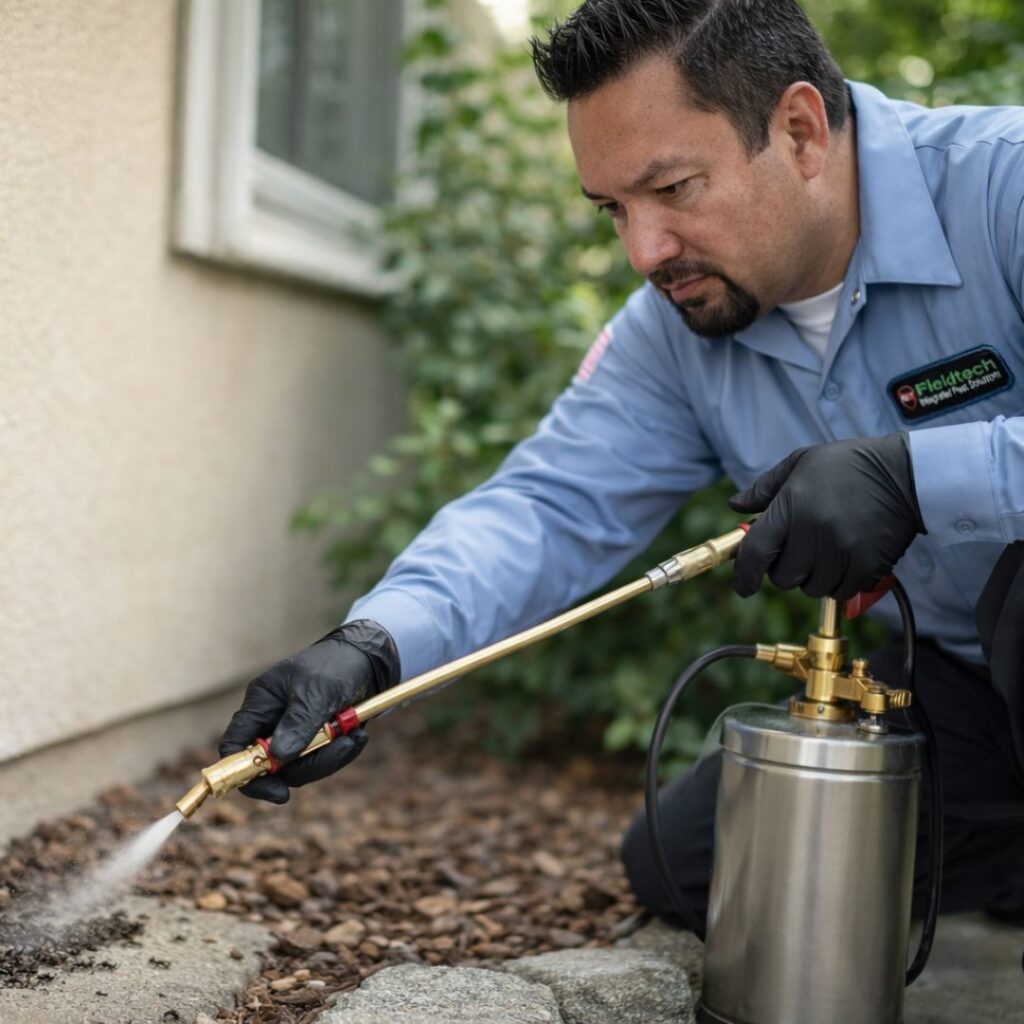
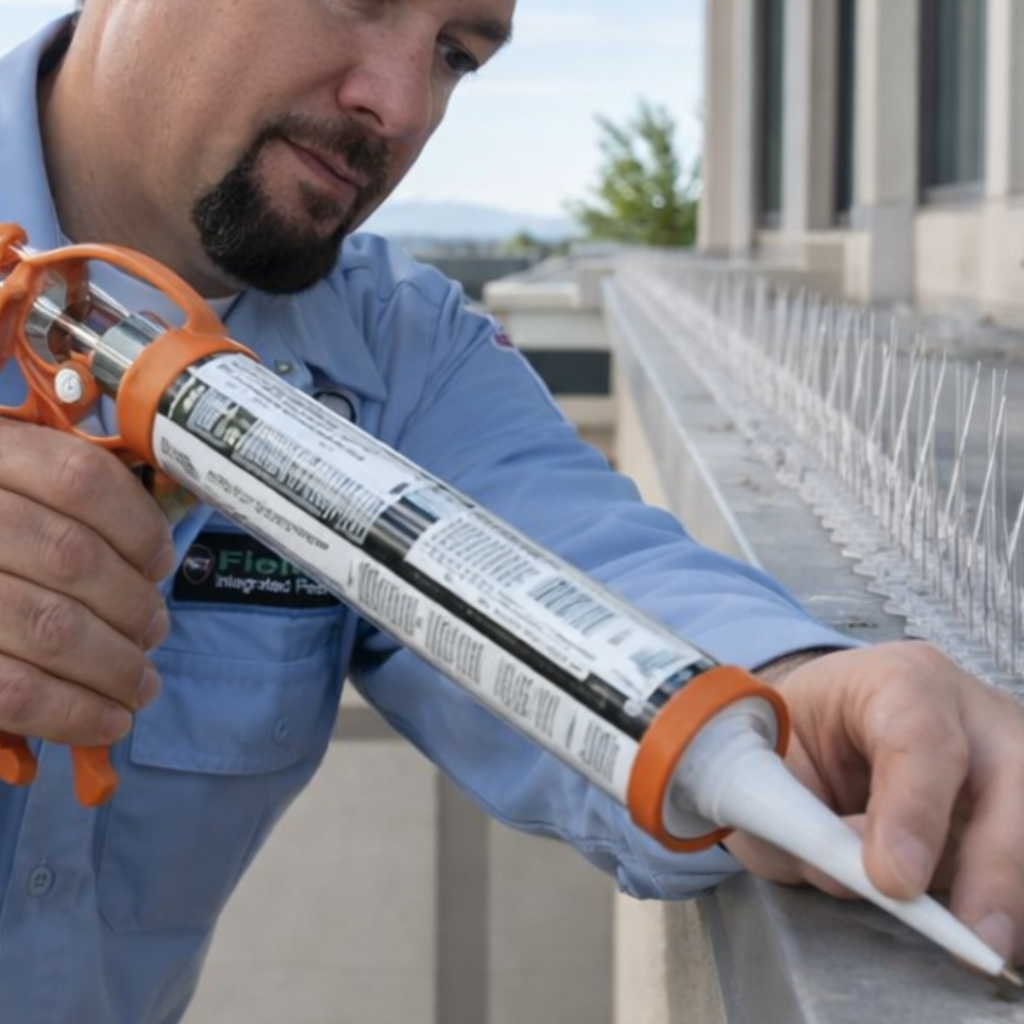
Any of these signs is reason to act. Sealing up entry points is one of the most effective long-term defenses, which is why our rodent proofing and entry point sealing is a core part of every full treatment we do.
Health and Safety Risks of a Rodent Infestation
Rodents are not just a nuisance, they are a genuine public health concern. The EPA and CDC list a long range of diseases that rats and mice can spread directly through droppings, urine, and saliva, or indirectly through ticks, mites, and fleas that hitch a ride on them.
The most common risks include:
- Hantavirus: A serious respiratory illness spread through contact with rodent droppings, urine, or nesting materials.
- Salmonella: Spread when rodents contaminate food, food prep surfaces, or pantry items.
- Leptospirosis: A bacterial infection spread through contact with rodent urine or contaminated water.
- Asthma and allergy flare-ups: Rodent dander and droppings are well-documented triggers, especially for children.
- Secondary pests: Rodents bring fleas, mites, and ticks into the home with them.
On top of the health risks, the structural damage is real. Chewed electrical wiring is a leading cause of house fires of unknown origin. Damaged insulation drives up energy bills. Burrowing rats can undermine foundations, walkways, and patio slabs. None of this gets cheaper the longer you wait.
What to Do If You Spot Signs of Rodents
If you have noticed any of the signs above, the most important thing is to act quickly and act thoroughly. Here is the approach we recommend, and what we do during a full Fieldtech treatment.
1. Confirm the Infestation
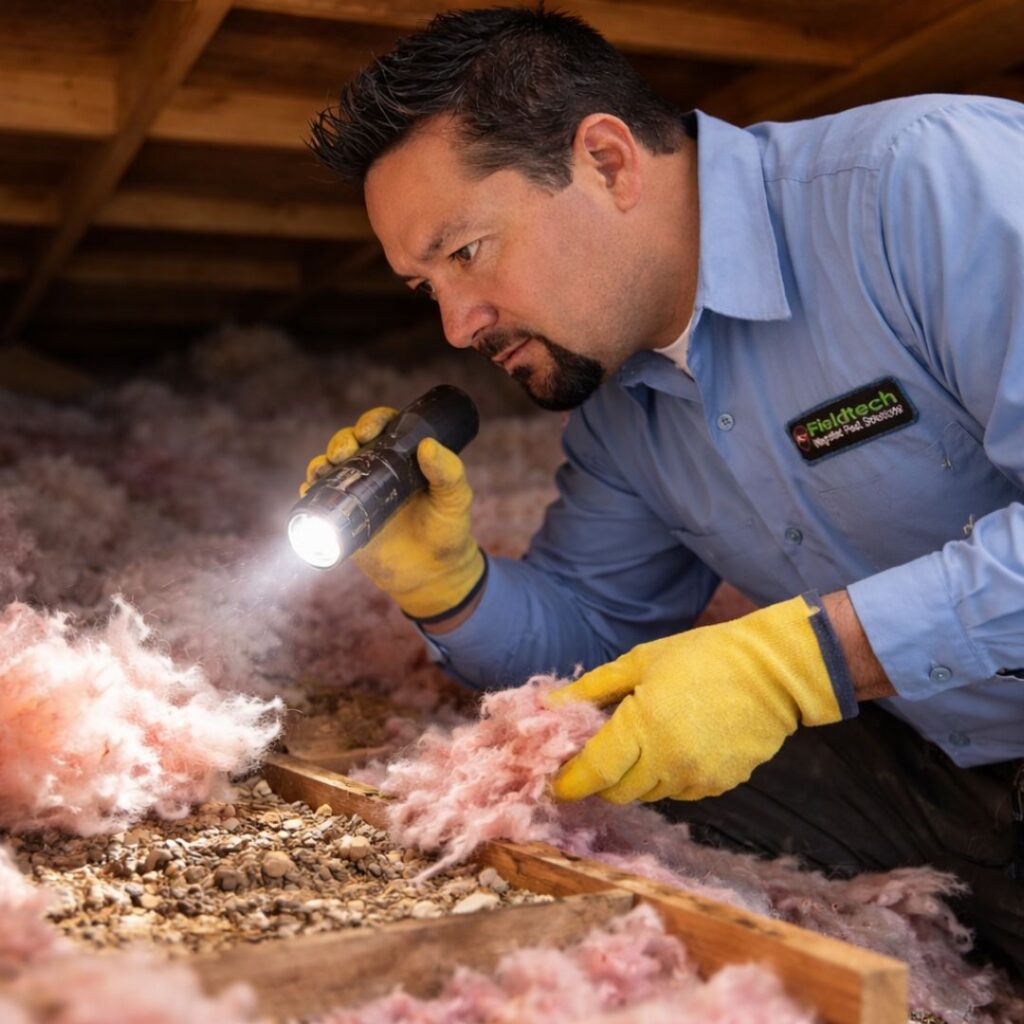
Start with a careful inspection. Look in all the areas listed above. Take note of where you see droppings, gnaw marks, or grease trails, this helps a professional pinpoint nesting and entry points.
2. Remove Food and Water Sources
Store dry goods in airtight glass or hard plastic containers. Clean up crumbs daily. Take out the trash regularly. Fix leaky pipes and faucets. Bring pet food inside at night.
3. Seal Entry Points
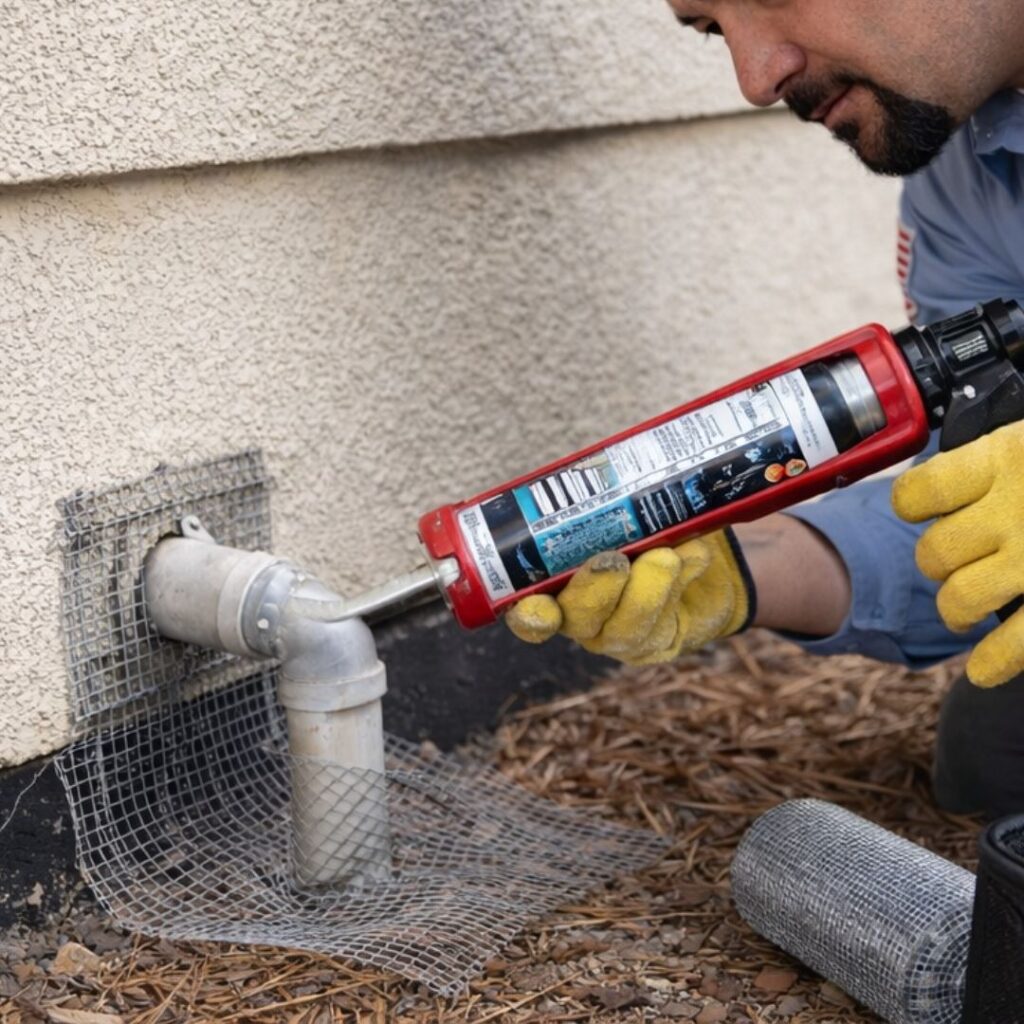
Mice can squeeze through a hole the size of a dime, and rats can fit through a hole the size of a quarter. Inspect the exterior of your home and seal gaps around pipes, vents, foundation cracks, door sweeps, and the garage. Use steel wool packed into gaps, hardware cloth over vents, and proper sealants, not foam alone, which rodents chew right through.
4. Call a Professional
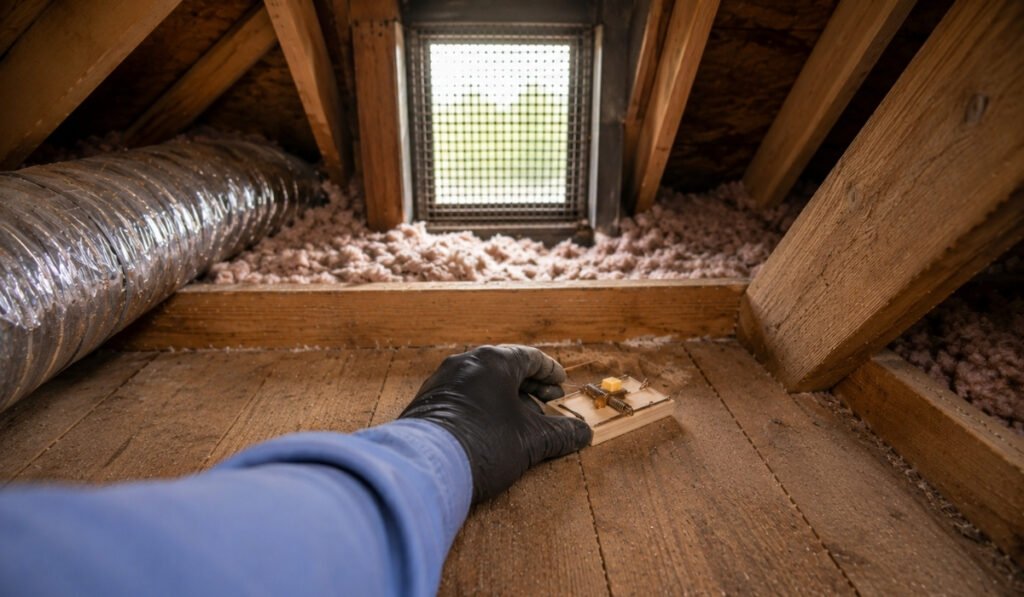
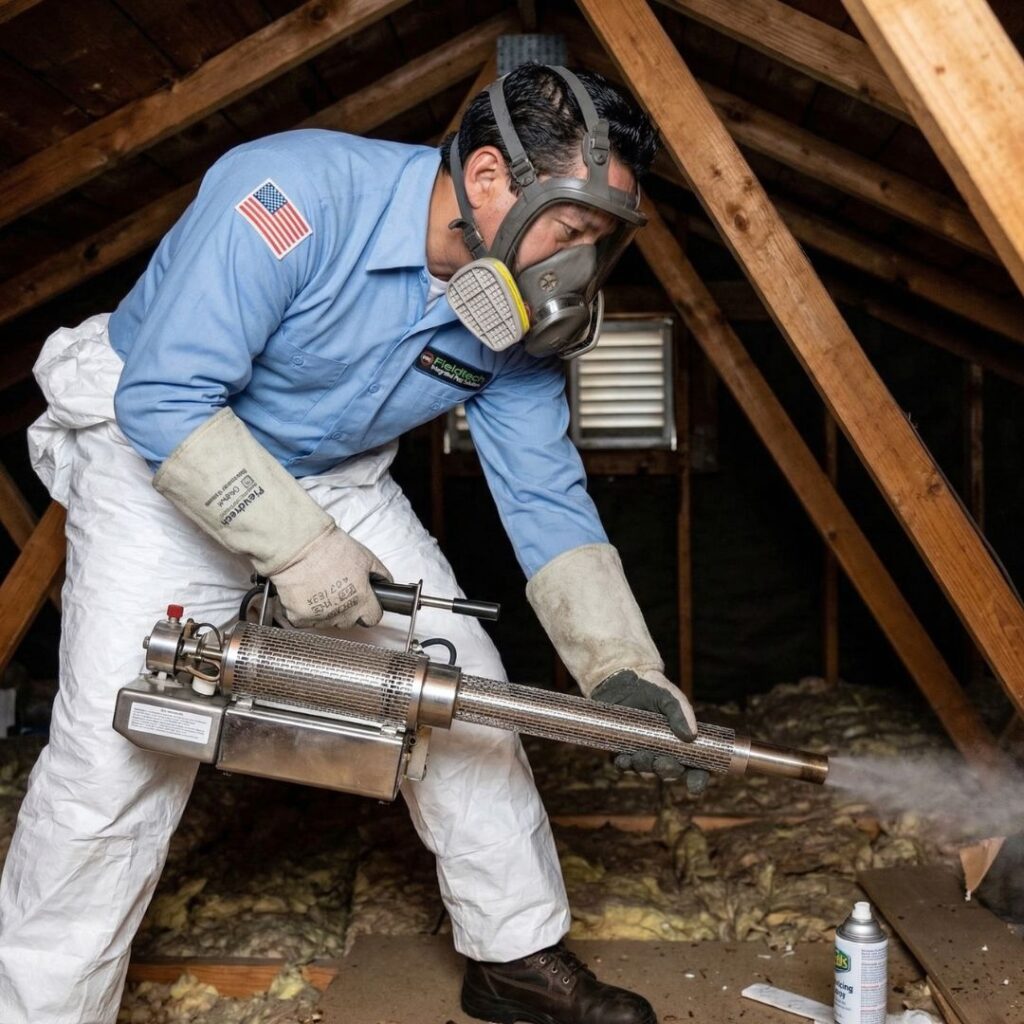
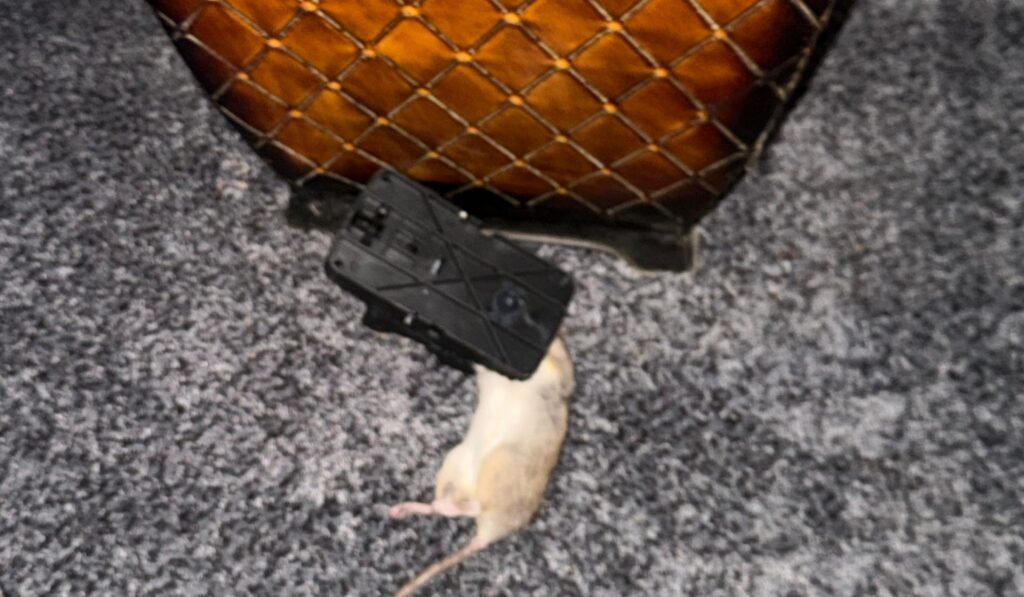
DIY traps and store-bought baits can knock down a few rodents, but they almost never solve the actual problem, because they do not address how rodents are getting in or where they are nesting. Fieldtech’s rodent control and exclusion program starts with a free detailed inspection, identifies the species, knocks down the active population, seals every entry point, and cleans up contaminated areas. Every job comes with our guarantee.
5. Restore the Damage
Once the rodents are gone, the work is not done. Soiled insulation needs to be removed, the area needs to be sanitized and deodorized, and clean insulation needs to be reinstalled. This is where the attic sanitation and deodorizing side of what we do becomes critical, especially after a long-term infestation.
Spotting Rodent Activity in the High Desert and Inland Empire
Homes across Apple Valley, Victorville, Hesperia, Phelan, Lake Arrowhead, Big Bear, and the wider Inland Empire face a particular set of rodent challenges. The mix of desert conditions, agricultural land, mountain forests, and aging housing stock gives rodents plenty of routes into homes, especially in cooler months when they head indoors looking for warmth.
Roof rats are common in palm trees, fruit trees, and attic spaces. Norway rats dig burrows along foundations and woodpiles. House mice find their way into pantries, garages, and water heater closets year-round. We see all of it, and we treat all of it.
If you have noticed any of the signs in this article, do not wait for the problem to grow. Reach out to Fieldtech for a free inspection. Our team responds within an hour during business hours, and you will get a clear, honest assessment of what is going on, no scare tactics, no upsells, just the right plan for your home.
Rodent infestations rarely announce themselves. They build quietly behind walls, in attics, under crawl spaces, and inside cluttered garages until the evidence becomes impossible to ignore. The good news is that the signs are knowable, droppings, gnaw marks, scratching at night, musty smells, grease trails, and damaged insulation are all clear warnings.
Acting on those signs early protects your family’s health, your home’s structure, and your wallet. Whether you are seeing the first hints of mouse activity in a pantry or you suspect a full rat infestation in your attic, the next step is the same: get a proper inspection, seal the home, knock down the population, and clean up the damage.
Fieldtech Integrated Pest Solutions is here to help. Call us, schedule a free inspection, and let our team handle it the right way, the first time.
Frequently Asked Questions
Most people notice droppings first, usually in a pantry, under a sink, or in the garage. Strange scratching noises at night and a musty smell that will not go away are close behind. Any one of these signs is enough reason to take a closer look.
Size of the droppings is the easiest tell. Mouse droppings are small and rice-shaped, while rat droppings are roughly raisin-sized and shiny black. Rats also leave dark grease marks along walls and make heavier noises in attics and ceilings. Mice tend to stay closer to walls and produce higher-pitched squeaks.
You can sometimes knock down a small mouse problem with traps and good sanitation, but a true infestation, especially with rats, almost always requires professional help. Store-bought baits do not address how rodents are getting in or where they are nesting, so the problem comes back. A proper treatment includes inspection, knockdown, entry-point sealing, and sanitation.
A typical residential rodent treatment runs over a few weeks. The first visit knocks down the active population and seals major entry points. Follow-up visits monitor activity, refine bait placement, and verify the home is sealed. Severe cases involving attic insulation removal and sanitation can take longer.
Yes. Rodent droppings, urine, and nesting material can carry hantavirus, salmonella, and other pathogens, and disturbing them can release particles into the air. Never sweep or vacuum droppings dry. The CDC recommends wearing gloves, ventilating the area, dampening the droppings with a disinfectant spray, and double-bagging the waste. For larger contaminated areas like attics, professional sanitation is the safer choice.
Food, water, and shelter, in that order. Crumbs, open pet food, unsealed trash, dripping pipes, cluttered garages, woodpiles against the house, dense landscaping, and fruit trees all create ideal conditions. Removing those attractants alongside a professional treatment is what keeps rodents from coming back.